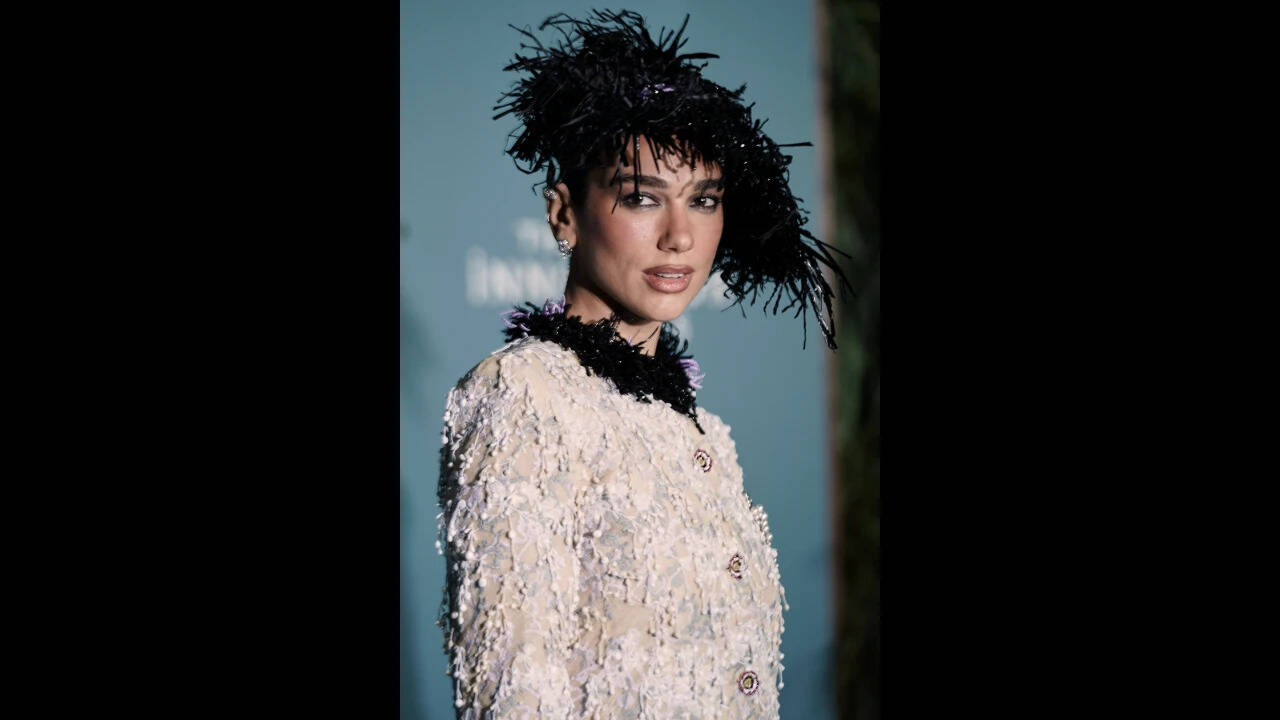
You can't launch a billion-dollar beauty brand without paying a heavy psychological price. At least, that's the reality Hailey Bieber laid bare at the New York Times DealBook Summit. While sitting down with Andrew Ross Sorkin, the founder and chief creative officer of Rhode pulled back the curtain on what it actually takes to scale a viral cosmetics company while living under a microscopic public lens.
The paradox is glaring. Social media built Rhode, turning simple peptide lip tints into objects of global obsession. Yet those exact same digital platforms have continuously chipped away at Bieber’s mental health. It's a modern trade-off that every digital-first founder faces, but few admit to with such unfiltered candor.
The Digital Trap Behind Viral Beauty Brands
We love to celebrate the overnight success stories. What gets ignored is the relentless human toll of maintaining a constant digital presence. Bieber pointed out something obvious yet rarely discussed by corporate executives: appearance-altering filters distort reality in ways that deeply impact self-image. When your entire business centers on aesthetics and skin, the line between constructive marketing and psychological toxicity blurs completely.
Filters change noses, enlarge lips, and set impossible visual standards that even the founders promoting them cannot naturally maintain. Operating a beauty brand means feeding an ecosystem that frequently profits off insecurity. Bieber noted that while these digital distortion tools aren't disappearing anytime soon, acknowledging their harmful psychological footprint is long overdue.
Navigating Constant Scrutiny While Scaling a Company
Building a brand like Rhode requires absolute visibility. You have to show up, post content, and project unwavering confidence. But doing that while dealing with online harassment, endless comment sections, and relentless public judgment creates a massive strain.
Most traditional entrepreneurs worry about supply chains, profit margins, and distribution channels. Founders like Bieber carry an extra, invisible burden: managing public emotional bandwidth. When millions of people think they have a personal stake in your daily life, your nervous system never gets to clock out.
- The visibility tax: Every product drop comes paired with a wave of intense public scrutiny.
- The comparison trap: Constant exposure to hyper-curated digital feeds breeds insecurity, even for those at the top.
- The boundary struggle: Trying to separate personal identity from a corporate brand that bears your aesthetic fingerprints.
Why the Beauty Industry Needs a Reality Check
The conversation at DealBook shifted a vital corporate narrative. We're moving past the era where founders can pretend that hyper-growth happens in an emotional vacuum. Consumers are growing tired of polished perfection, yet the algorithms still reward it.
If a high-profile entrepreneur openly admits that social media fuels anxiety and depression, it forces a wider reckoning. Brands need to start building healthier relationships with their audiences. Selling self-care products while driving digital self-loathing is a contradiction the beauty industry can't sustain forever.
Protecting your mental health isn't just a personal wellness goal. It's a prerequisite for sustainable business leadership. If you burn out running the machine, the machine stops. Cut back on the digital noise, protect your boundaries, and remember that building something valuable shouldn't require sacrificing your peace of mind.