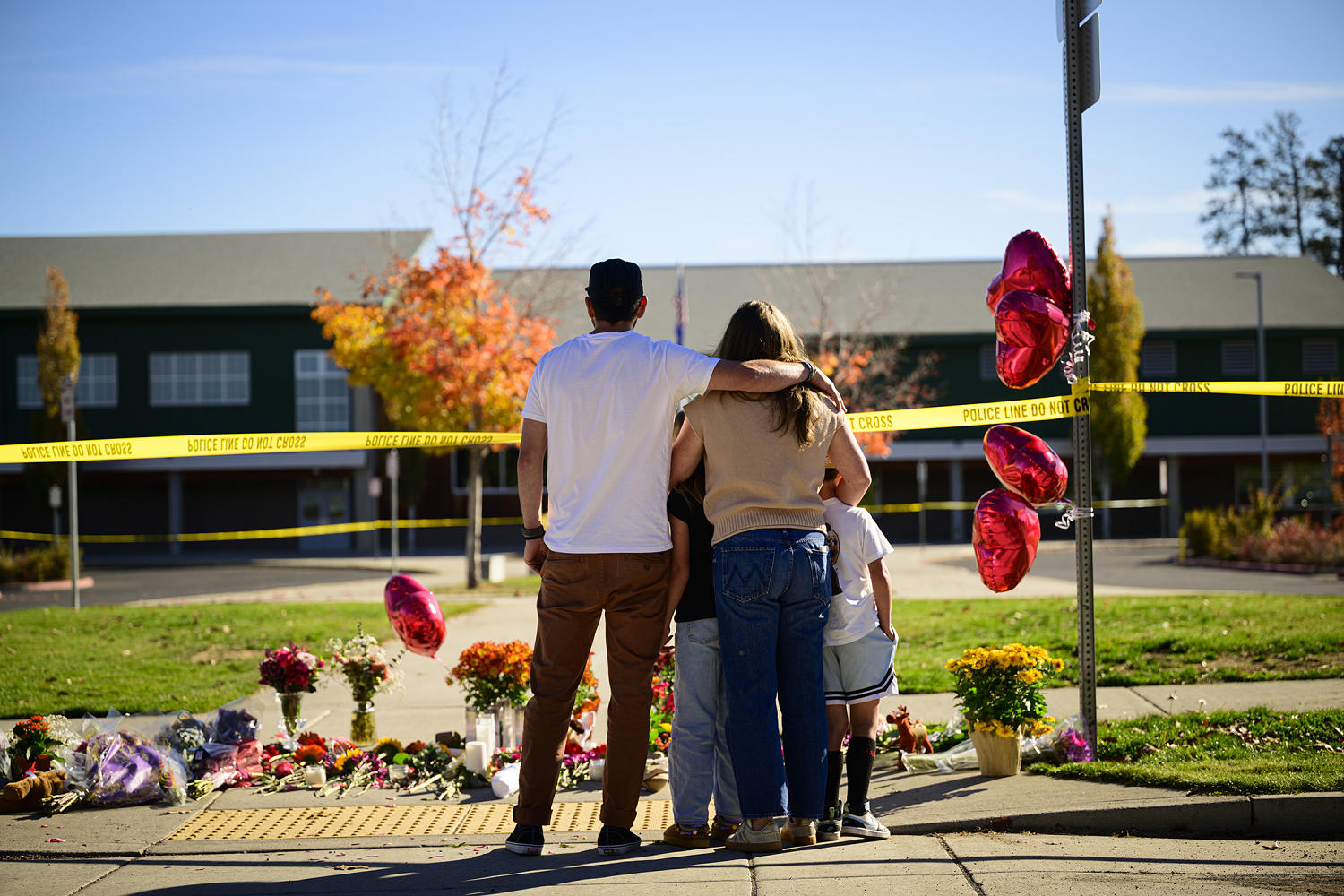
It all happened in seconds. One moment, a regular school day unfolded inside Silver Rail Elementary in Bend, Oregon. The next, absolute chaos erupted as a 16-year-old gunman breached the building.
When danger walked through those doors, teachers and community members didn't wait for permission to act. They made split-second decisions that stopped a massacre from claiming even more lives. Police later detailed an unbelievable sequence of courage involving a teacher who threw her cell phone at the attacker and tackled him, alongside a parent who rushed into the school.
Here is a closer look at how the tragedy at Silver Rail Elementary unfolded, what survivors experienced, and the split-second actions that changed the outcome.
The Reality of Split-Second Survival
Most people assume crisis response follows a neat script. Real life is messier, louder, and terrifyingly fast.
When the shooter—identified by Bend Police Chief Mike Krantz as 16-year-old Griffin J. John II—stormed the school, educators faced choices no human being should ever have to make. Fifth-grade teacher Kathy Sheil Smith and her colleagues had to move children into quiet, hidden safety while chaos echoed down the halls.
Another teacher inside a targeted classroom didn't freeze. According to law enforcement briefings, she threw her cell phone directly at the suspect, closed the distance, and physically tackled him. She fought to strip the weapon away, risking her life to buy precious seconds for her students.
That flash of resistance changed everything. It disrupted the shooter's momentum before armed intervention and community intervention ended the threat.
Ordinary People Thrust Into Extraordinary Danger
The narrative of school violence often focuses exclusively on statistics or policy debates. But on the ground, survival comes down to raw human instinct.
Kaylub Giamanco, a local father with two daughters enrolled at Silver Rail Elementary, rushed to the scene. He army-crawled through a window shot out by the gunman, confronting the shooter point-blank. His quick action, combined with the fierce defense mounted by the school's staff, prevented a much higher death toll.
Tragically, the attack still left an unbearable mark on the community. Four lives were lost, including a 25-year-old teacher and three young children aged 5, 8, and 11. Two other individuals sustained critical injuries and required emergency hospitalization.
Investigators quickly dug into the background of the suspect, noting that John II had previously attended Silver Rail Elementary. The firearm used in the shooting was a shotgun purchased legally by the suspect's mother.
Why Emergency Preparedness Must Move Beyond Paper Plans
Every school district in America has an active shooter protocol. Walkthroughs happen. Procedures get filed away in binders.
Yet, interviews with survivors highlight a brutal truth: standard drills rarely capture the sheer disorientation of a real event. Educators are forced into roles they never signed up for—tactical thinkers, physical combatants, and emotional anchors for terrified children all at once.
When a teacher throws a phone and tackles an armed assailant, it highlights an immense burden placed on school staff. Communities across the country continue to grapple with difficult questions regarding school security infrastructure, campus access points, and the mental health support systems needed to catch troubled youths before they pick up a weapon.
Honor the victims by demanding real, lasting changes in campus safety infrastructure. Support local school board initiatives that fund secure entry points, update physical hardening measures, and provide mental health resources so warning signs never go unnoticed.