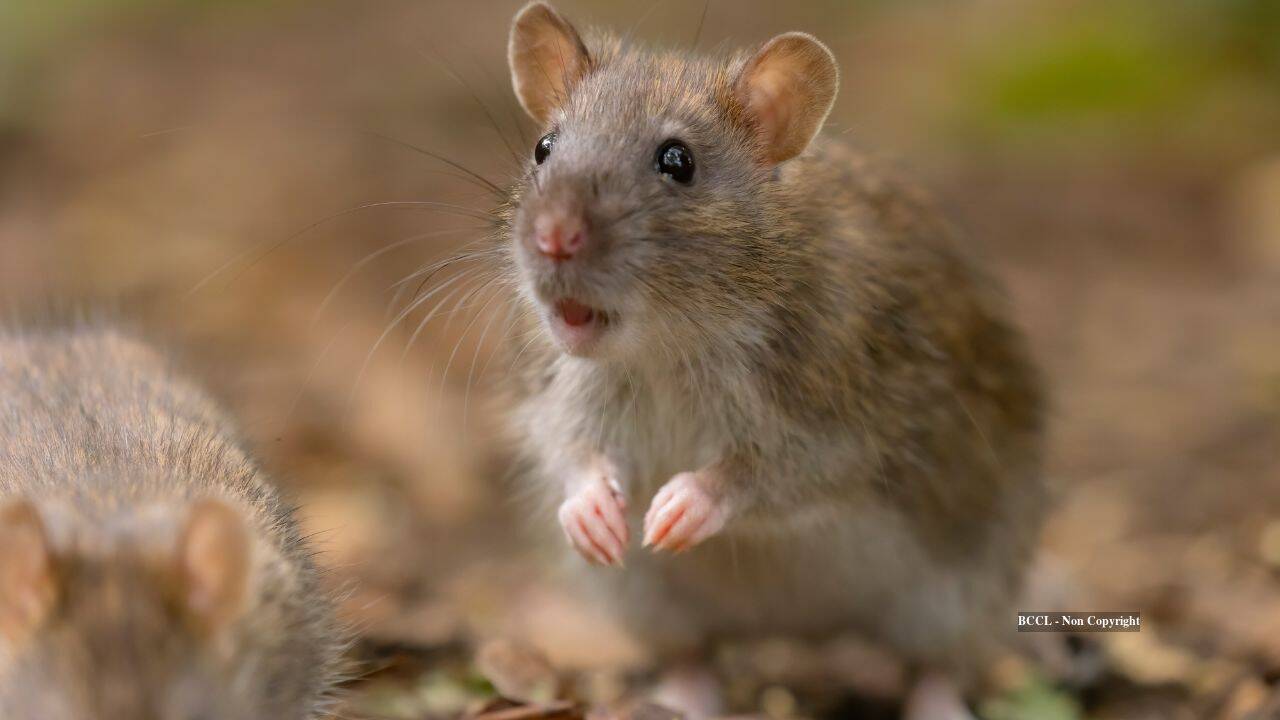
When conservation teams wiped invasive house mice off Antipodes Island in 2018, most people expected the local bird populations to bounce back. Snipe and parakeets had struggled for decades under the quiet, relentless pressure of a foreign predator. But nobody anticipated the sheer scale of the underground explosion that would follow. Eight years later, scientists tracking the island's invertebrate life discovered something staggering: ground beetle numbers are now forty times higher than they were when the mice ruled the dirt. Rove beetles have surged more than twentyfold.
If you think a 40-fold population jump is just a minor footnote in island ecology, you're missing the entire point of how fragile ecosystems actually work. This isn't just about bugs multiplying. It's a masterclass in how fast nature rebounds the moment you stop choking its food webs.
The Forgotten Damage of Invasive Mice
We tend to focus our conservation outrage on charismatic megafauna or high-profile bird species. When a subantarctic island gets overrun by rodents, the immediate worry is always nesting seabirds and ground-dwelling chicks. But mice are opportunistic omnivores with an insatiable appetite for the small stuff.
For over a century, house mice on Antipodes Island didn't just nibble on seeds and plants—they treated the soil like an all-you-can-eat buffet. Ground beetles, spiders, and rove beetles faced relentless nocturnal hunting pressure. When you remove the primary predator from an ecosystem that evolved in total isolation, you open the floodgates.
The eradication operation itself, known widely as the Million Dollar Mouse campaign, required staggering logistical precision. In the winter of 2016, helicopters dropped cereal bait laced with brodifacoum across the entire rugged terrain. By February 2018, tracking tunnels and specialized rodent-detection dogs confirmed the island was entirely mouse-free.
Why Beetles Tell the Real Story
Large animals make great headlines, but insects are the true truth-tellers of environmental recovery. Because beetles have short life cycles and rapid breeding rates, their populations react immediately to shifting environmental pressures. They act as the biological pulse of the soil.
When researchers published their findings in Conservation Science and Practice, the numbers laid bare a profound ecological restructuring. Ground beetles didn't just experience a modest seasonal bump. Their abundance skyrocketed by roughly 40 times. Rove beetles leaped past a 20-fold increase.
These insects aren't passive bystanders. They turn over soil, break down organic matter, and serve as crucial protein sources for native birds like the Antipodes Island snipe and pipits. Previous post-eradication surveys already showed those bird populations doubling in response to the insect boom. You cannot fix a broken bird population if you ignore the creepy-crawlies they eat for breakfast.
The Myth of Instant Restoration
People love a tidy before-and-after story where nature instantly snaps back into a pristine, postcard-ready version of its historical past. Ecosystems don't work that way.
Removing an invasive species doesn't wind back the clock to a specific year; it starts a brand-new trajectory. Some species surge immediately, while others remain constrained by climate, habitat limits, or shifting resource competition. The massive beetle spike shows that mice weren't just eating insects—they were fundamentally capping the entire biological potential of the island's floor.
Antipodes Island proves that patience is the hardest part of conservation. The celebration ends the day a pest is declared eradicated, but the real healing takes decades. Without long-term monitoring and repeat surveys, scientists would have completely missed how deeply mouse predation suppressed the island's foundation.
Look at your own local parks or conservation projects if you want a parallel. Whenever human intervention stops messing with natural baselines, things don't just return to normal—they find a fierce, chaotic new balance. The beetles on Antipodes Island made themselves impossible to ignore, reminding us that sometimes the most dramatic proof of ecological repair happens right beneath your boots.