Vacations are supposed to be celebrations. You save your money, book the tickets, and pack your bags. Then, reality strikes.
A joyful family trip can turn upside down in seconds. That harsh truth hit home for the Junker family when a celebratory cruise ended in an unimaginable tragedy. Stephen "Steve" Junker, a 58-year-old pastor from Elbow Lake, Minnesota, boarded the Sun Princess ship to celebrate his son's wedding. He never made it home the same way. On August 16, a severe spinal injury aboard the ship shattered a milestone family moment. Read more on a connected issue: this related article.
We need to talk about what happens when medical emergencies strike at sea, and why international medical transports are harder than anyone expects.
The Tragic Incident Aboard the Sun Princess
Steve Junker was found face down and unresponsive in a swimming pool on the cruise ship. Crew members and the onboard medical team stepped in immediately. They rushed him ashore to a hospital in Naples, Italy, once the ship docked. Further analysis by TIME delves into similar views on the subject.
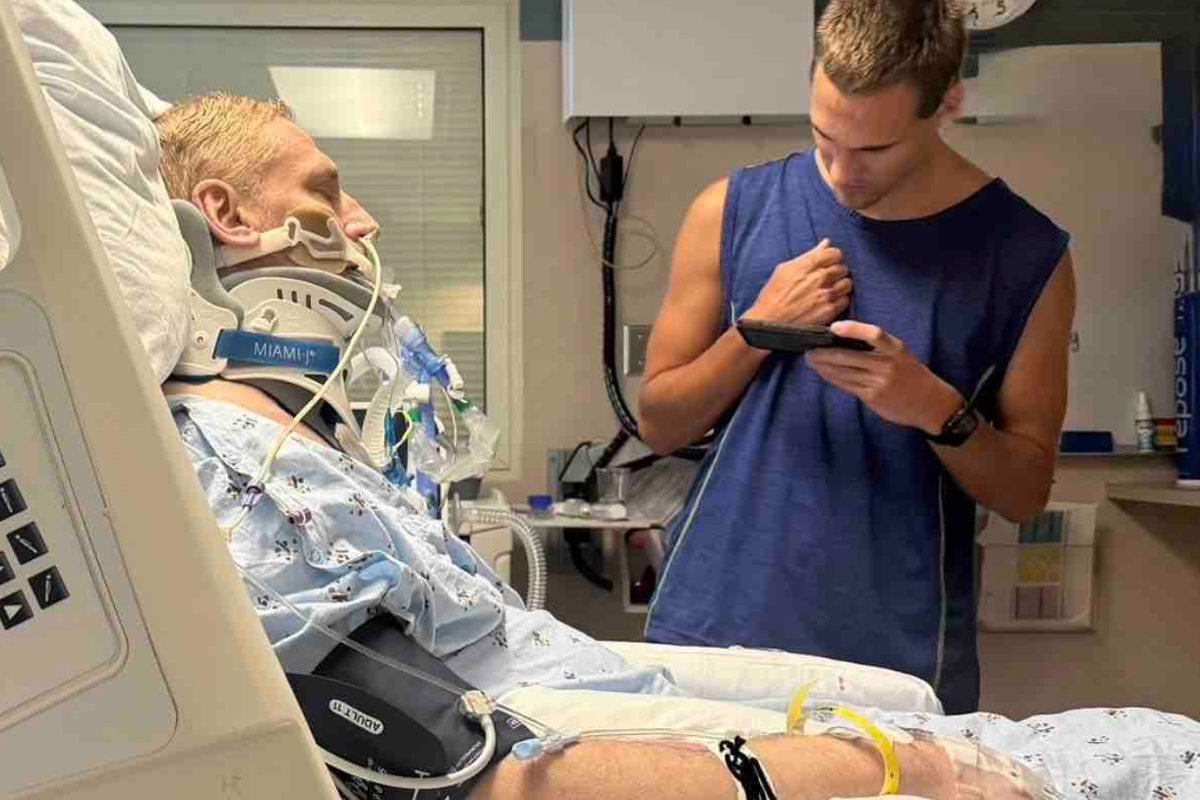
Doctors in Italy diagnosed him with a severe spinal cord compression at the C3-C4 level, right near his jawline. That specific type of injury is catastrophic. It affects breathing, movement, and autonomic functions. The following day, surgeons performed an emergency procedure to stabilize the damaged area and relieve pressure on his spinal cord.
Yet, surgery was only the beginning of a long ordeal. Junker was left unable to breathe on his own. He required a mechanical ventilator, sedation, and round-the-clock intensive care. To complicate matters, he developed a drug-resistant Staphylococcus aureus infection around his lungs, likely tied to the near-drowning incident.
The Nightmare of Foreign Healthcare Systems
When a medical crisis happens overseas, families face an uphill battle. Language barriers, unfamiliar bureaucratic procedures, and different hospital protocols create immense stress.
Elizabeth Junker, Steve's daughter, launched a GoFundMe campaign to document their journey and handle mounting expenses. She voiced deep frustrations about trying to navigate the Italian healthcare system. According to her updates, the family struggled to get clear answers, often receiving fragmented updates from medical staff.
Families in these situations want one thing: repatriation. Getting a critically ill loved one back onto American soil sounds straightforward. In practice, it is a logistical mountain. Air ambulances cost tens of thousands of dollars. Insurance companies fight tooth and nail over coverage. Medical clearance for flight requires stable hemodynamics, which a patient fighting a drug-resistant lung infection simply doesn't have.
Bringing Him Home to Minnesota
Despite the hurdles, the family managed to bring Steve back to the United States. He was transferred to the Mayo Clinic in Rochester, Minnesota.
Hope flickered, but the damage was too severe. Doctors determined his injuries were untreatable. On September 4, surrounded by his wife Jeanine, his five children, and his extended family, Pastor Steve passed away.
His obituary paints a portrait of a man who lived with purpose. Before entering the ministry, Junker worked as a pharmacist after graduating from Creighton University. Friends and parishioners remembered him as a steady presence. Jeanine Junker shared a heartfelt tribute on the Chippewa Lutheran Church's Facebook page, thanking the community for an outpouring of love.
"Steve faced life, and death, with a quiet and unshakable faith," his obituary noted. Even in his final moments, his thoughts centered on his church and his loved ones.
Princess Cruises issued a statement offering condolences, noting that their medical staff provided initial treatment before transferring him ashore. Beyond corporate statements, however, incidents like this expose the raw vulnerabilities of traveling far from home.
What Every Traveler Needs to Know About Medical Emergencies Abroad
Most people assume their standard health insurance or credit card travel perks will cover a catastrophic medical event overseas. They won't.
If you are planning an international cruise or vacation, protect yourself with these concrete steps:
- Buy specialized travel medical insurance. Ensure the policy explicitly covers emergency medical evacuation and repatriation of remains. Standard policies often cap payouts at ten thousand dollars—a fraction of an air ambulance bill.
- Know your policy limits. Read the fine print regarding pre-existing conditions and adventure sports, or in this case, cruise ship pools.
- Keep digital copies of documents. Store insurance cards, passport numbers, and emergency contact lists in a secure cloud folder that family members can access instantly.
- Register with STEP. U.S. citizens can use the Smart Traveler Enrollment Program to make it easier for the State Department to locate and assist them in an emergency.
Vacations carry risks we prefer to ignore. Don't wait until a crisis forces you to learn these lessons the hard way. Check your policy today.