Journalism looks safe from a studio chair. Out in the field, it is a completely different story.
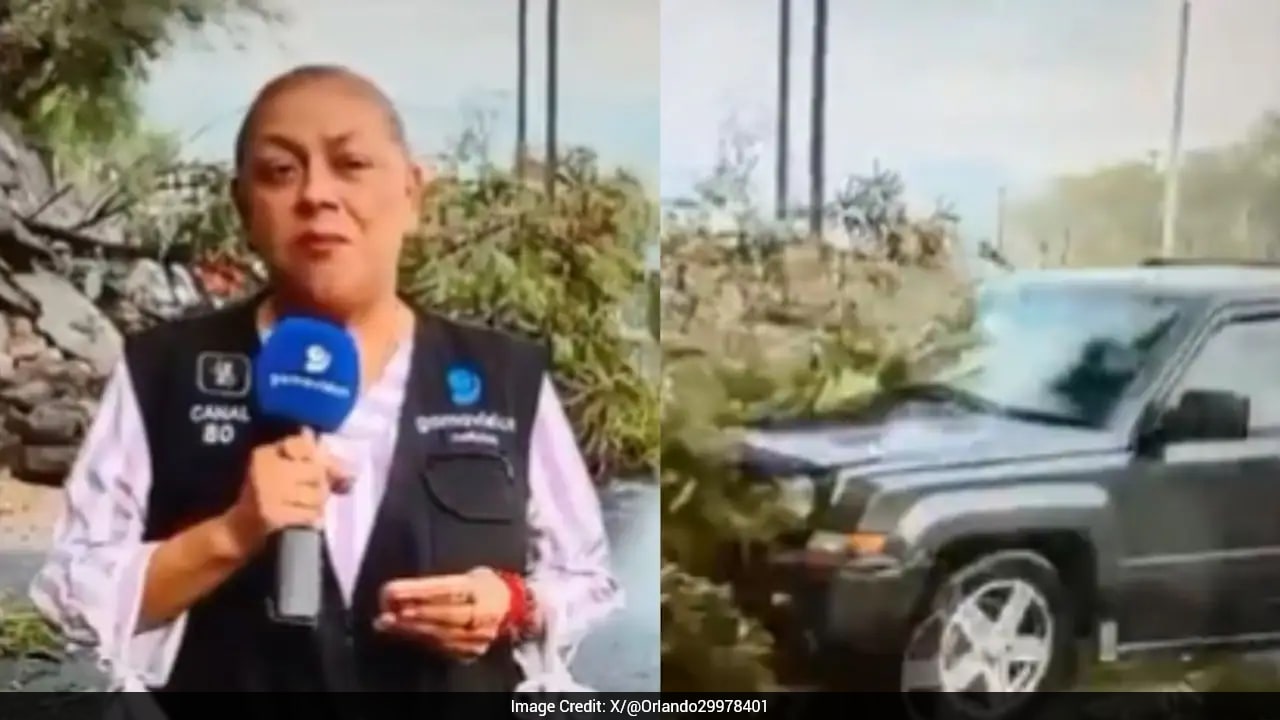
When a camera rolls during a natural disaster or extreme weather event, reporters and their camera crews step directly into chaos. That danger turned terrifyingly real in Monterrey, Mexico, when veteran GamaVision reporter Alma de la Rosa Flores and her cameraperson, Cristo Morales, were violently struck by a vehicle while broadcasting live.
If you have watched the viral clip circulating online, you already know how fast disaster strikes. One second, a reporter is talking calmly about storm damage. The next second, a Jeep-type vehicle loses traction on wet asphalt, skids past a landslide barrier, and pins the crew against a stone wall.
Live television thrives on unpredictability, but pedestrian safety on active roads during news broadcasts demands a serious industry-wide conversation. Here is a closer look at what happened, why field reporting remains perilous, and how media organizations protect their frontline workers.
The Monterrey Incident Breakdown
The broadcast was supposed to cover the aftermath of heavy rains that battered Monterrey. Alma de la Rosa Flores stood near a known hazard zone, a location impacted by a recent landslide. Viewers tuned in for standard weather coverage. Instead, they watched a horrific accident unfold in real time.
According to reports and the broadcast footage, the vehicle lost control while trying to navigate the slick road near the site. The driver skidded, clipped the area, and slammed straight into the media crew. The live feed cut instantly. Panic erupted back in the studio.
Anchor Mario Gomez took over the feed, scrambling for exact coordinates so emergency services could locate his injured colleagues. It is every newsroom's worst nightmare. You watch your friends get hurt live on air while feeling completely helpless miles away.
Miraculous Survival and Minor Injuries
Given the sheer force of the collision shown in the video, the outcome could have been fatal. Both Alma and Cristo walked away with minor injuries.
Alma later recounted the terrifying moments to local media outlets like El Financiero. With thirty-five years of journalism experience under her belt, she is no stranger to dangerous assignments. She noted that she was thanking God and everyone who reached out for support. She even pointed out that she had been warning drivers to slow down near that specific hazard zone before the crash occurred.
Cristo Morales also sustained injuries during the impact. Paramedics treated both media workers at the scene before transferring them to a hospital for precautionary evaluations. Both recovered quickly from the physical trauma, but the event left a permanent mark on how local crews view roadside safety.
The Hidden Dangers of Field Reporting
Most people think journalism hazards involve war zones or political riots. Everyday local news reporting carries silent, overlooked risks.
Weather reporting places crews on slick highways, near swollen rivers, under unstable bridges, and right next to ongoing traffic. Drivers rushing past news crews rarely pay attention to reporter safety vest signs or hazard cones. They rubberneck, look at their phones, or hydroplane on wet pavement.
When you set up a tripod on an active street, you rely entirely on the attentiveness of passing drivers. That is a massive gamble.
Staying Safe Behind the Lens
Media outlets send camera crews into dangerous environments daily. Protecting these workers requires strict protocols that go beyond basic safety vests.
- Establishing Safety Buffers: Crews should park production vans at a distance to block oncoming traffic from hitting the workspace directly.
- Police Escorts: High-risk weather spots require municipal police assistance to shut down or strictly regulate lanes.
- Reflective Gear: High-visibility jackets and clearly marked cones are mandatory, though drivers still ignore them too often.
- Situational Awareness: Reporters and camera operators need designated spotters whose only job is watching traffic instead of framing the shot.
Accidents happen even with precautions in place. When Murphy's law kicks in on live television, split-second reflexes make the difference between a scraped elbow and a tragedy.
What This Means for Local Newsrooms
The Monterrey crash acts as a stark wake-up call for news directors everywhere. Ratings and breaking news updates mean nothing if a crew does not make it back to the station alive. Producers must weigh the value of an on-site live shot against the physical danger posed to their teams.
Whenever you see a reporter standing by the side of a flooded highway or a crumbling road, remember the invisible risks they take to deliver that update. Field journalism is a gritty, unpredictable job. Respect the people standing out in the rain so you do not have to watch them get hurt on your screen.