Policy announcements from Washington rarely fail to entertain, but the latest push for dietary reform hit a bizarre linguistic speed bump that left nutritionists shaking their heads. When top federal officials gather to overhaul what children eat in schools under the Make America Healthy Again banner, you expect basic food literacy. Instead, you get high-profile advisors confusing processed meat products with literal root vegetables straight out of the dirt.
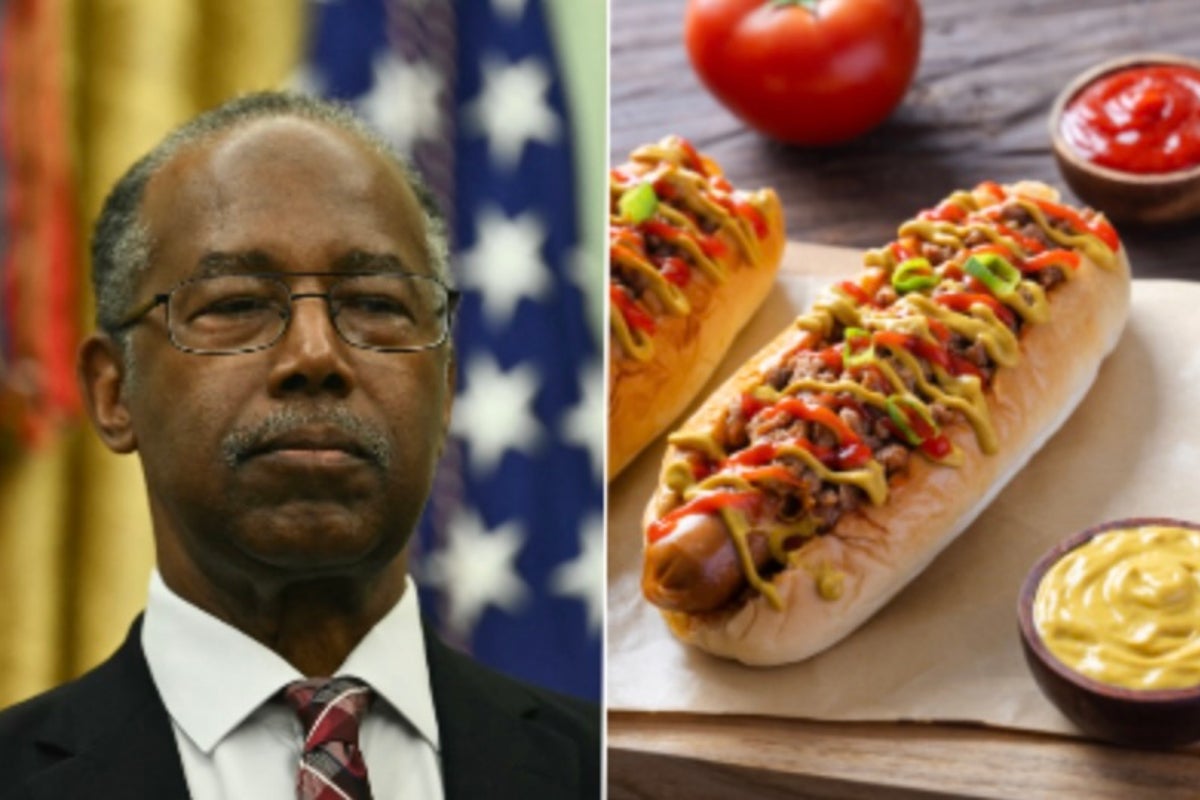
Dr. Ben Carson, serving as a national nutrition advisor within the Department of Agriculture, recently took the stage at an event promoting the fifty million dollar Harvest to Hallways initiative. The program aims to connect local school cafeterias directly with farmers to supply fresh produce. During the discussion on wholesome dietary options, Carson managed to group hot dogs right alongside fresh produce meant to come straight from the ground. It is a slip of the tongue that immediately exposed the gap between political messaging and actual nutritional reality.
The Reality of School Lunch Politics
Let us look at what is actually happening on the ground in American public schools. Cafeterias operate under tight budgetary constraints, soaring inflation grocery costs, and shifting federal qualification rules for free and reduced-price lunches. Introducing local agricultural partnerships sounds wonderful in a press release. Funding real structural changes requires consistent backing, not just rhetorical flourishes about organic soil health.
When federal health and agriculture leaders talk about fixing the chronic disease crisis, they love pointing to the farm-to-table pipeline. Yet, grouping ultra-processed, sodium-laden tube meats into a conversation about food fresh from the soil highlights a profound disconnect. Kids do not need mixed signals about what constitutes a whole food. They need clear, unvarnished facts.
Missteps in the Make America Healthy Again Movement
This stumble is not happening in a vacuum. The broader health initiative, spearheaded by figures like Health Secretary Robert F. Kennedy Jr. and Agriculture Secretary Brooke Rollins, has faced continuous scrutiny over messaging miscues. While the administration claims to place agriculture at the center of the fight against metabolic illness and poor diets, verbal gaffes routinely distract from actual policy goals.
You cannot credibly crack down on ultra-processed foods while simultaneously miscategorizing processed meats as farm-fresh yields. Parents are trying to navigate confusing supermarket aisles filled with misleading health claims. They look to federal guidelines for clarity, not confusion. When public figures mix up factory-manufactured items with crops harvested from soil, it erodes public trust in the entire regulatory framework.
Practical Steps for Better Nutrition Literacy
If we want to fix childhood nutrition, we have to stop sugarcoating policy failures and get serious about education. Here is what needs to happen next in local communities:
- Push local school districts to publish transparent ingredient lists for cafeteria meals so parents know what is actually on the tray.
- Support direct farm-to-school programs that prioritize actual fruits, vegetables, and whole grains rather than processed substitutes.
- Educate kids on basic food origins so they understand the difference between agricultural harvests and factory processing.
Real health reform demands precision, accountability, and a basic understanding of what we put on our plates. Until political leaders get their facts straight, families are better off relying on common sense than government press conferences.
Dr. Ben Carson discusses dietary guidelines
This video provides additional context on Dr. Ben Carson's public commentary regarding federal dietary guidelines and the administration's health initiatives.
http://googleusercontent.com/youtube_content/1