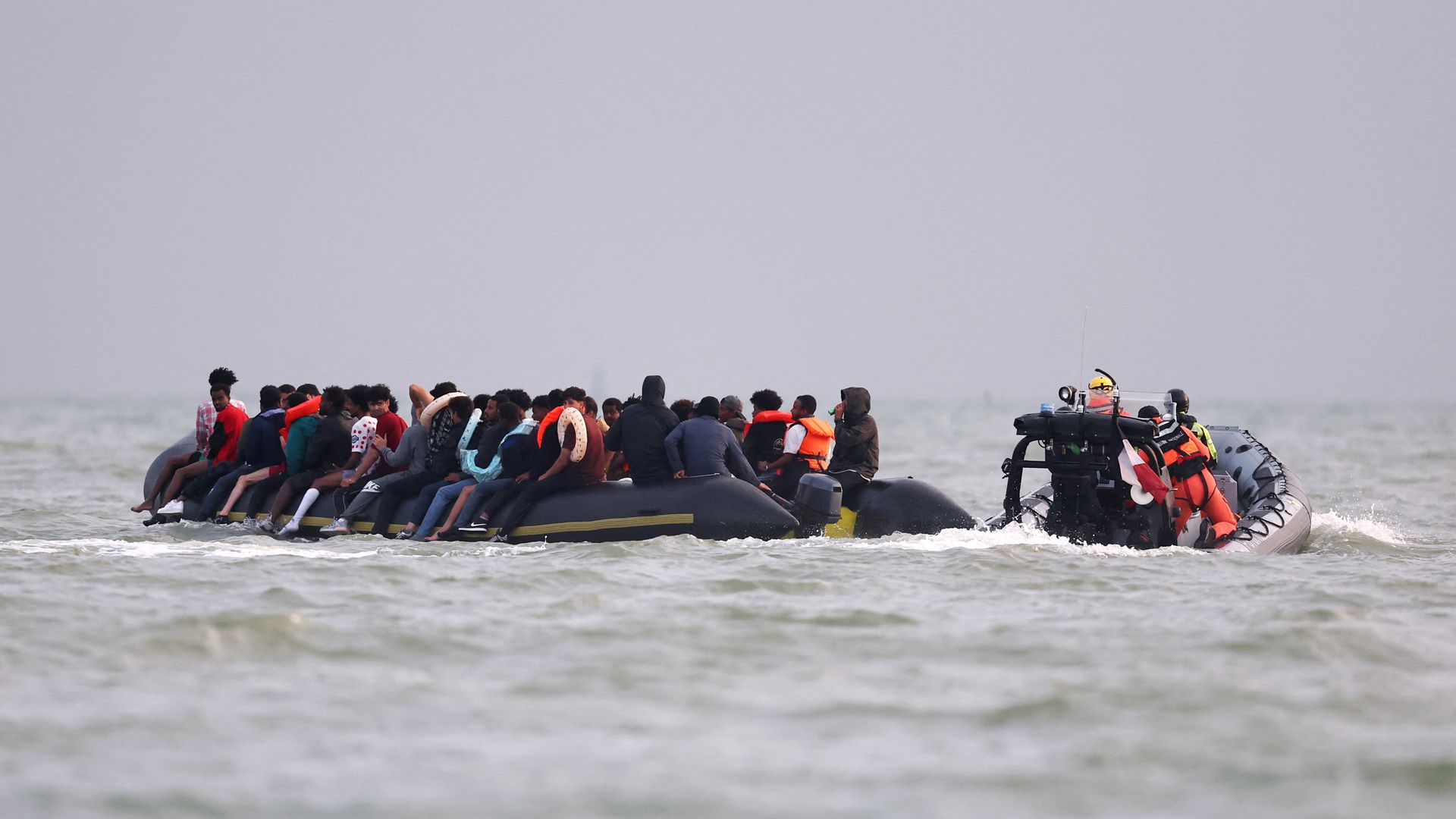
Two more lives are gone, and the routine cycle of outrage and quiet acceptance spins right back up. French authorities confirmed that two men, one in his 30s and one in his 40s, died after setting out from the French coast at Berck overnight in an overloaded small boat. Alongside the fatalities, several others suffered severe injuries from coming into contact with fuel on the vessel.
It is a grim reality that keeps repeating along one of the busiest shipping lanes in the world. Yet, policy debates in Westminster and Paris rarely shift past standard talking points, leaving rescue crews and local communities to deal with the immediate aftermath.
The Cost of the Crossing
When a dinghy leaves a beach like Berck, the risks are astronomical. We aren't just talking about choppy water. Overcrowded vessels, toxic fuel leaks, and flimsy hulls make every single journey a high-stakes gamble.
French officials stated that five individuals were taken into medical care due to severe injuries sustained from fuel burns during this latest incident. An investigation by the Boulogne-sur-Mer public prosecutor's office has been opened to piece together what went wrong on the water. But investigations don't bring people back. They rarely change the underlying desperation driving people onto these beaches in the first place.
Domestic Tensions Flare on British Shores
The tragedy unfolded against a backdrop of escalating domestic friction. While emergency responders dealt with casualties in France, hundreds of protesters gathered near Haslar Marina in Gosport, Hampshire. A dinghy carrying 149 migrants was preparing to come ashore after being intercepted and shadowed by French rescue vessels and met by RNLI boats in English waters.
Tensions boiled over quickly. Hampshire Police reported that around 350 demonstrators assembled near the marina, leading to a dozen arrests for offences including assaulting police officers. Authorities had to enforce strict public order powers, including prohibitions on face coverings, as the situation threatened to spiral out of control.
These arrivals were part of a broader wave. Data shows that 418 migrants crossed the English Channel in five separate boats on Sunday alone, bringing the total tally for the year past 19,869.
Why the Current Approach Keeps Failing
You hear endless promises from politicians about smashing criminal gangs and stopping the boats. But the numbers keep climbing, and the morgues keep filling up. Deterrence-based strategies have created a black-market transit system run by ruthless smugglers who charge small fortunes for seats in vessels that are little more than floating death traps.
When borders are locked down without functional, accessible alternatives for processing asylum claims, people simply take greater risks. They board worse boats in worse weather because the alternative in their home countries feels even worse. Until governments address the core push factors and the mechanics of safe passage, these midnight tragedies will remain an inevitable fixture of the news cycle.
The noise on the docks in Gosport will quiet down. The political posturing will shift to the next headline. But the water remains cold, the boats remain unsafe, and the crossings continue.