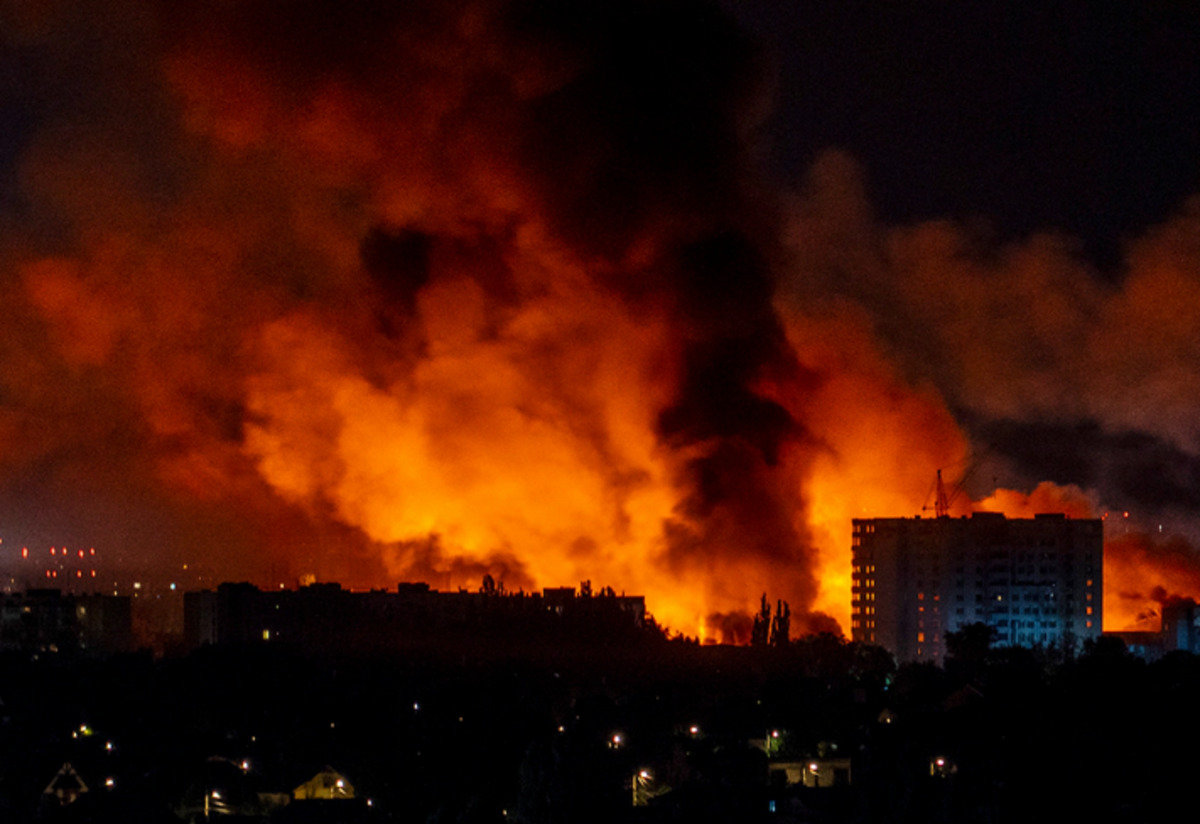
War doesn't stop for headlines. It keeps grinding. Another day, another strike. This time, the small town of Pechenihy in the Kharkiv region faced the reality of Russian missile fire on August 18, 2026. Ten people lost their lives in an instant. Eight more are left fighting for theirs in nearby hospitals.
The numbers are cold. They don't capture the chaos of a busy intersection turned into a debris field. They don't show the ten houses, the local cafe, or the post office that were ripped apart. These aren't just statistics. They are the daily life of a nation that has been under fire for over four years.
Why Kharkiv remains a target
You're probably wondering why this keeps happening. Kharkiv isn't just another dot on the map. It's the second-largest city in Ukraine and sits uncomfortably close to the Russian border. For months, we've seen a shift in how this conflict plays out. Ukraine has gotten much better at hitting back, specifically targeting oil refineries deep inside Russian territory with long-range drones.
When Ukraine hurts Russia’s economy, Russia retaliates against Ukraine’s civilian infrastructure. It’s a brutal cycle. The strike on Pechenihy was carried out using cruise missiles. These aren't cheap, makeshift weapons. They are high-precision tools meant to cause maximum damage to both the physical town and the public's sense of security.
The failure of the quick victory myth
Remember back in February 2022? Everyone thought this would be over in a week. Experts, intelligence agencies, politicians—they all guessed wrong. Now, we are fifty-three months into this. The optimism of a quick win is long gone.
What we have instead is a war of attrition. Russia has the sheer volume of firepower. Ukraine has the backing of international partners and a stubborn refusal to fold. That combination keeps the front lines moving inches at a time while the aerial bombardment continues to take the heaviest toll on civilians.
What happens when the cameras move away
Local authorities in Pechenihy have declared two days of mourning. The regional prosecutor's office has launched a war crimes investigation. These are necessary bureaucratic steps. They are essential for historical record and eventual legal accountability. But for the family whose house was destroyed, or for the business owner whose shop is now rubble, the investigation provides no immediate comfort.
This is the part most international reporting misses. The physical rebuilding of a town like Pechenihy is nearly impossible while missiles are still falling. People are living in a permanent state of emergency. They have to decide every single day: do I stay and hope for the best, or do I leave everything behind and head west?
Looking at the future
There’s no sign of a breakthrough. Diplomacy is stalled. Both sides are digging in deeper. If you're looking for an exit strategy, you won't find one right now. The reality is that this conflict has become the status quo for an entire generation of Ukrainians.
If you want to understand the direction this is heading, watch the drone warfare. As Ukraine's ability to hit Russian logistics improves, expect Russia to keep trying to cripple civilian centers. It’s a strategic choice. They want to wear down the morale of the population. It’s a grim reality that shows no signs of changing as we move further into late 2026.
The next few months will likely see more of the same. More strikes. More reactive defenses. More international hand-wringing. But for the people in the Kharkiv region, the priority isn't global geopolitics. It’s surviving the next siren.