Heroism isn't always clean. Sometimes it's messy, terrifying, and leaves you standing in the wreckage wishing you had moved just a few seconds faster.
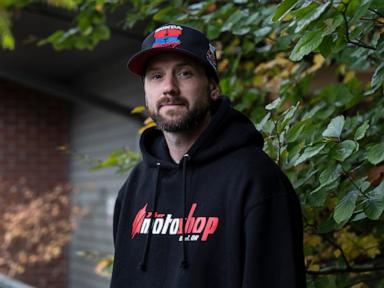
When Kaylub Giamanco pulled his truck up to Silver Rail Elementary School in Bend, Oregon, he wasn't looking for a fight. He was just a 36-year-old carpenter heading home for lunch after dropping off his own daughters earlier that morning. Then he saw a teenage gunman wearing black, brandishing a weapon, and firing shots into a pickup truck and toward a groundskeeper before breaching the school doors.
Panic flooded his brain, but hesitation wasn't an option. Giamanco grabbed his legally carried .40-caliber handgun from his truck's center console, dialed 911, and made a split-second decision that changed his life forever.
"I said 'I'm sorry I have to go in. People are going to die,'" Giamanco recalled in interviews. He hung up the phone, crawled through a blown-out window, and stepped straight into a nightmare.
The Last Line of Defense Inside Silver Rail Elementary
Inside the school, the horror was already unfolding. Three children—ages 5, 8, and 11—and a teacher had tragically lost their lives to the 16-year-old former student who blasted his way through locked doors.
Giamanco army-crawled down the hallway, listening to the agonizing sound of children pleading for their lives. He knew the risk. He told himself it was probably the last thing he'd ever do.
Peeking into a classroom, he witnessed incredible bravery. An unnamed teacher was actively wrestling and grappling with the shooter. Facing them in profile, Giamanco saw his opening. He stepped into the room, swung the door open, and fired.
The attacker and the teacher dropped. The wounded teacher bolted from the room as the gunman scrambled toward his shotgun. Recognizing the immediate danger, Giamanco fired two more rounds to stop the threat permanently.
The Reality of Surviving a Crisis
While President Trump and local officials rightly hailed Giamanco as a hero who "took care of business," the private reality of his survival is far heavier than any public accolade.
He didn't walk away feeling triumphant. Instead, Giamanco has openly wrestled with the profound weight of what he couldn't do. He knows he acted as the children's last line of defense, but the lingering echo of the tragedy remains. He wishes desperately that he could have saved every single child in that building.
"I can't tell you what it feels like to take a life," Giamanco said. "I can't tell you that, but I can tell you that I genuinely feel like I was supposed to be there. If I wasn't there, I just don't know what would have happened."
What We Miss in Stories of Intervention
Public conversations about active shooter incidents usually focus on tactical response times, police protocols, or gun laws. What gets left out is the human toll on civilian interveners—the ordinary citizens who happen to be at the right place at the absolute worst time.
Courage doesn't protect you from trauma. Giamanco's story highlights the brutal psychological aftermath faced by anyone forced into lethal self-defense or community protection. Teachers like Becky Drury, who played dead after a shotgun blast nearly severed her hand, and heroes like Giamanco are left picking up the pieces of an ordinary day shattered by violence.
The tragedy at Silver Rail Elementary leaves a community grieving and a nation reflecting. Real heroes carry scars that never quite heal, defined not just by the lives they managed to protect, but by the ones they couldn't reach in time.
He Stopped the School Shooter. But He Wishes He Could've Saved More.
This short video gives a raw, firsthand look at the emotional toll and community impact surrounding Kaylub Giamanco's intervention at Silver Rail Elementary.
http://googleusercontent.com/youtube_content/1