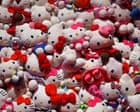
You can't sell cute characters to millions of people while accidentally stepping into a geopolitical minefield. Sanrio just learned this the hard way. The company behind Hello Kitty recently slammed the brakes on a high-profile merchandising partnership with the hit Japanese espionage drama Vivant. Why? Because Chinese social media users erupted in fury, accusing the TV show of deliberately smearing Chinese intelligence agents.
When a brand built entirely on harmony and gentle smiles gets dragged into international state tensions, it signals a massive shift in modern commerce. Foreign corporations operating in Asian markets can no longer play it safe by staying neutral. Every licensing deal, crossover, and marketing campaign is now subject to intense cross-border scrutiny.
The Cost of Crossing Entertainment Lines
The controversy started over Vivant, a blockbuster Japanese television series known for high-stakes international plots and glossy production values. But when the show's narrative touched upon ruthless overseas operatives, viewers in China didn't see standard fictional intrigue. They saw a targeted insult.
Sanrio had entered into a commercial tie-up associated with the project, expecting a standard pop-culture crossover boost. Instead, they walked straight into a public relations firestorm. Within days, online criticism snowballed into boycotts and threats against the brand's lucrative footprint in mainland China.
Sanrio moved fast. The company issued apologies and pulled the plug on the entire collaboration, stating that their corporate philosophy centers on care, connection, and peaceful coexistence. They noted that the drama project clashed directly with those core values.
Why Global Brands Keep Walking Into Traps
This isn't an isolated incident. It’s part of a growing pattern where multinational companies find their commercial assets weaponized or scrutinized by digital consumer bases.
When you look at past blowups—from fashion houses stumbling over regional advertising campaigns to retail giants facing coordinated boycotts over supply chain statements—the root cause is always the same. Brand executives sitting in Tokyo, New York, or Paris frequently underestimate how quickly online outrage can translate into massive financial losses in overseas markets.
Sanrio's mistake wasn't just signing onto a spy thriller. It was failing to read the room in a fractured geopolitical climate. Entertainment is local, but the internet is global. When a domestic Japanese thriller with gritty international themes meets a hyper-vigilant Chinese digital audience, friction is inevitable.
The Trap of Cutesy Diplomacy
Sanrio is hardly a stranger to cross-cultural marketing. For decades, Hello Kitty has served as an ambassador of kawaii culture, transcending language barriers and political divides. That soft-power dominance relies entirely on universal appeal.
By tying that universally loved brand to a gritty, politically charged spy drama, executives miscalculated the boundary between harmless pop culture and sensitive national narratives. Fans who buy character merchandise expect escapism, not international espionage subplots that hit raw nerves.
When the backlash hit, Sanrio faced a brutal financial reality. The Chinese market represents a massive share of their global retail revenue. Protecting that market meant abandoning the television partnership instantly, regardless of the sunk costs or creative agreements involved.
What Modern Businesses Must Do Right Now
If you run a consumer-facing brand or handle international marketing strategy, the writing is on the wall. You cannot afford to treat creative partnerships as routine administrative tasks.
- Audit your licensing pipeline: Look at every third-party association your brand maintains. If a partner company touches controversial themes, political commentary, or cross-border tensions, cut ties before the public forces your hand.
- Understand regional sensitivities: A storyline that plays well in domestic ratings wars can easily read as hostile propaganda across a border. Local context matters more than ever.
- Move with speed: If a crisis hits, corporate hesitation destroys trust. Sanrio managed to limit the bleeding by terminating the project immediately, avoiding a multi-week PR nightmare.
The era of effortless global expansion is over. Brands must decide whether local creative risks are worth threatening their entire core market. Usually, they aren't.