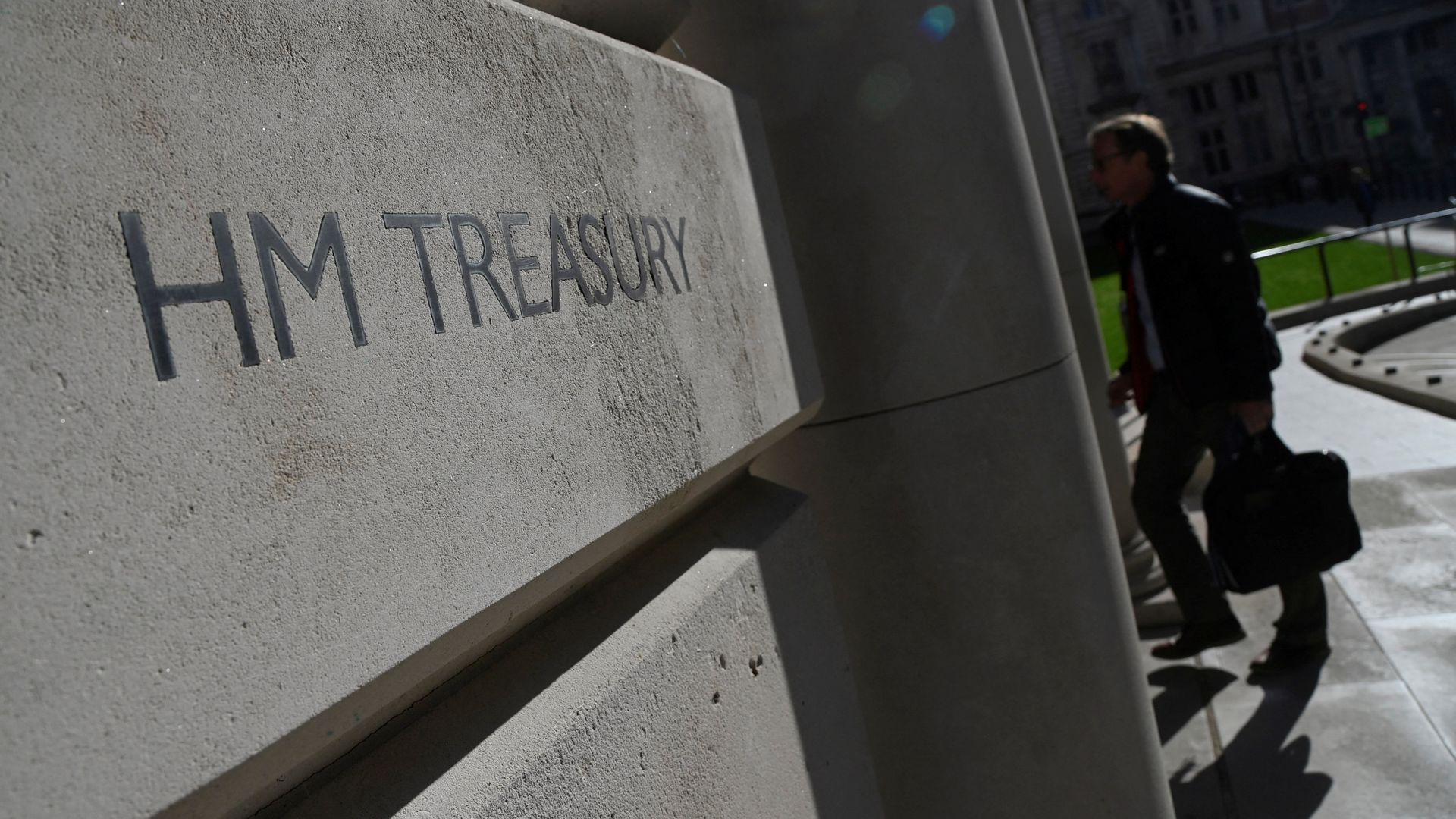
Money talks, and right now, it is telling Westminster to pack its bags. When prominent financiers and top-tier executives start voting with their feet, governments should probably pay attention. The recent departure of Michael Sherwood, a former vice chairman of Goldman Sachs and a board member at fintech giant Revolut, highlights a growing anxiety among the UK's elite wealth generators. They look at the current fiscal trajectory, crunch the numbers, and decide that staying put is simply too expensive.
Tax policy is rarely just about plugging a budget deficit. It functions as a massive neon sign pointing capital toward the exit doors. When nations start aggressively tightening the screws on high earners, capital flight stops being a theoretical risk and turns into an everyday reality.
The Wealth Exodus Is Accelerating
You don't wake up one morning and decide to uproot your life, move your family, and restructure your assets over a minor tax tick. It happens gradually, then all at once. The UK has long enjoyed a status as a global hub for financial talent, drawing entrepreneurs, venture capitalists, and investment bankers from every corner of the map. But that competitive edge is eroding fast.
High earners face an increasingly hostile fiscal environment. Rumors and realities of stricter non-dom rules, higher capital gains taxes, and potential wealth levies create an atmosphere of profound uncertainty. People who manage billions of dollars are naturally risk-averse when it comes to their own balance sheets. If you know a government views your wealth as an open-ended ATM, you protect your assets by relocating.
Why Fintech and Banking Leaders Are Nervous
Revolut stands as Europe’s most valuable private technology company. Having a heavy hitter like Sherwood on its board means plugged-in insight into where capital flows and where regulations bite. When leaders of his caliber pull back from British residency, it signals a deeper malaise in the domestic business climate.
Tax hikes rarely yield the expected revenues when mobile taxpayers can simply change their residency. Entrepreneurs can build companies, run boardrooms, and execute trades from Dubai, Switzerland, or Singapore just as easily as they can from Mayfair. Modern wealth is borderless, even if tax codes are stubbornly national.
The Real Cost to Public Finances
Politicians love to target high earners because it sounds good on the campaign trail. Who sheds a tear for a former Goldman Sachs chief paying less tax? But the downstream effects hurt everyone else. When top earners leave, they take their spending, their philanthropic contributions, and their future investments with them.
Local luxury real estate markets cool down. High-end service industries take a hit. Most importantly, the tax base shrinks instead of expanding. You cannot tax your way to prosperity if the people paying the bills decide to catch a flight out.
What Comes Next for the UK Economy
Britain stands at a critical crossroads. Clinging to the assumption that talent has nowhere else to go is a dangerous gamble. If the government wants to stop the bleeding, it needs to offer stability, competitive tax incentives, and a clear signal that enterprise is welcomed rather than penalized.
Until then, expect more high-profile exits. Wealthy individuals will always go where they are treated best. Assess your own exposure, understand the shifting international landscape, and watch where the smart money moves next.