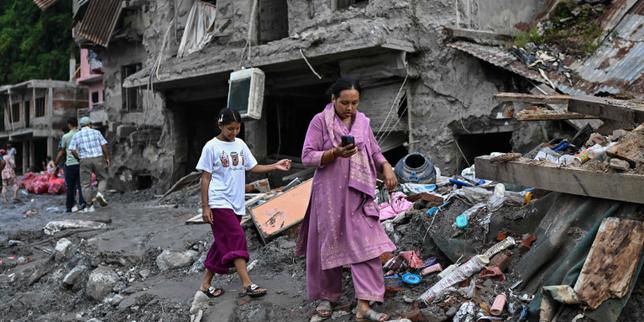
Water carved through mountain walls before anyone could sound the alarm. When catastrophic flash floods and landslides slammed the border region between Nepal and the Tibet Autonomous Region of China on August 26, 2026, entire villages vanished under roaring torrents of mud and debris. Infrastructure collapsed in minutes. Bridges snapped. Roads turned into rushing rivers.
Weeks later, the true scale of the humanitarian disaster is forcing the international community to face a grim reality. More than 84,000 people find themselves displaced, vulnerable, and grappling with total loss. The United Nations and its humanitarian partners responded by launching a flash appeal for nearly 50 million dollars to fund immediate relief operations.
Yet, money alone will not solve a crisis born from a rapidly warming planet and fragile mountain ecosystems. You need to look closer at what went wrong in the high Himalayas to understand why this disaster is different from anything the region has seen in recent years.
The Anatomy of a High Altitude Disaster
Mountain floods move differently than coastal storm surges. When heavy monsoon rains trigger sudden glacial lake outbursts or massive debris flows at high altitudes, water gathers speed down steep rock faces with terrifying momentum. The August 26 catastrophe caught remote communities off guard, destroying vital trade hubs like the Gyirong Port border area and wiping out homes before families could reach higher ground.
Official tallies place the death toll in the hundreds, while thousands more remain unaccounted for as rescue teams struggle to reach isolated pockets in northern Nepal and the bordering Tibetan valleys. Landslides blocked mountain passes, cutting off entire districts from food deliveries, clean water, and medical aid.
People living in these remote Himalayan communities bear the brunt of an environmental crisis they did not create. When infrastructure vanishes overnight, survival depends entirely on the swift delivery of basic supplies. Clean drinking water, temporary shelter, and sanitation kits remain urgent priorities as the risk of waterborne diseases grows daily.
Why the UN Flash Appeal Matters Now
Raising roughly 49.6 million dollars is not just about writing checks. It is about logistical survival. Operating in the rugged terrain of the Himalayas requires specialized transport, including helicopters to drop supplies into areas where roads no longer exist.
Humanitarian agencies face a narrow window. Monsoon conditions persist, threatening further landslides and hampering reconstruction efforts. Without immediate financial backing from global donors, relief organizations cannot sustain food distributions or set up safe camps for the tens of thousands of displaced individuals currently sleeping in open fields or damaged schools.
Local governments in Nepal and regional authorities across the border are stretched past their breaking limits. Domestic budgets cannot absorb the staggering cost of rebuilding collapsed bridges, wrecked schools, and destroyed agricultural land. International solidarity bridges the gap between total abandonment and recovery.
The Broader Debate on Climate Justice
You cannot talk about the Nepal and Tibet floods without addressing the elephant in the room: climate change. The Hindu Kush Himalayan region is warming faster than the global average. Glaciers retreat, permafrost thaws, and extreme weather events grow more violent each year.
Leaders and activists from vulnerable mountain nations are demanding real climate justice on the global stage. Nations with heavy carbon footprints continue to emit greenhouse gases while countries like Nepal pay the price in human lives and shattered economies. Financial aid offers a temporary bandage, but systemic adaptation strategies are missing.
Governments must invest in early-warning systems that reach deep into remote valleys. Traditional pathways and ancestral knowledge are failing against unprecedented meteorological extremes. Communities need resilient infrastructure designed to withstand sudden high-altitude floods, not just quick patches on roads that wash away with the next heavy rain.
Support the United Nations emergency response fund through verified international relief organizations operating on the ground in Nepal. Keep pressure on global leaders to honor climate adaptation funding commitments before the next Himalayan valley washes away.