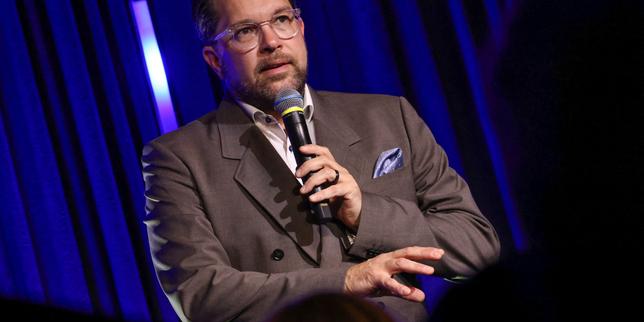
For the first time in history, every single devolved administration in the United Kingdom is led by a pro-independence first minister. If you think this is just standard political theater, you are missing a massive shift in British politics.
When Scottish First Minister John Swinney, Welsh First Minister Rhun ap Iorwerth, and Northern Irish First Minister Michelle O'Neill gathered in Cardiff alongside Sinn Féin president Mary Lou McDonald, they didn't just pose for photographs. They signed a formal memorandum of understanding declaring that Westminster's control is nearing its expiration date.
Let's look at why this specific meeting matters so much right now, what it means for Prime Minister Andy Burnham, and why the constitutional map of these islands is looking more fragile than ever.
How the May Elections Upended Westminster
The political ground shifted under Labour's feet during the May elections. Plaid Cymru's historic breakthrough in the Senedd shattered a decades-long monopoly, ensuring that pro-sovereignty parties hold the reins in Cardiff, Edinburgh, and Belfast simultaneously.
That alignment has never happened before. Historically, nationalist movements in Scotland, Wales, and Northern Ireland operated in separate silos, dealing with London on individual terms. By joining forces, these leaders have created a united front. They are no longer asking Westminster for permission to talk about the future; they are coordinating a joint strategy to demand self-determination.
The Memorandum of Understanding signed in Cardiff explicitly calls on the British government to prepare for and facilitate constitutional change across all three jurisdictions.
The Delicate Dance of Party Versus Government
To keep Downing Street from completely losing its temper, the leaders played a clever semantic game. They convened in Cardiff strictly in their capacities as party leaders rather than official government heads.
Does that distinction fool anyone? Not really.
When John Swinney publicly proclaims that Andy Burnham will likely go down in history as the final prime minister of the United Kingdom, he isn't speaking as a casual observer. He is articulating a clear, coordinated roadmap.
Yet, the leaders are careful to balance hardline rhetoric with practical pragmatism. While Swinney eyes a second Scottish independence referendum within five years, and McDonald targets Irish reunification by 2030, the Welsh stance under Plaid Cymru remains more measured. Rhun ap Iorwerth focused heavily on immediate fiscal fairness, equitable resource sharing, and securing administrative powers over areas like the Crown Estate and offshore energy assets.
How Downing Street is Reacting
Prime Minister Andy Burnham has tried to brush off the summit as a distraction from what actually matters. Down in London, the official line from Downing Street is that the government remains laser-focused on easing household cost-of-living pressures rather than getting dragged down a rabbit hole of constitutional debates.
Burnham's position is tricky. He previously tripped over his words during parliamentary questioning, briefly appearing open to a consensus-driven path for Scotland before quickly slamming the door shut. Conservative critics are already labeling the Cardiff gathering a separatist stunt, while urging Downing Street to adopt a much firmer stance against rising regional fragmentation.
Meanwhile, international voices are weighing in. US President Donald Trump recently stirred the pot during a visit to Ireland by declaring that a united Ireland would be fantastic and might as well happen now. That kind of off-the-cuff global commentary only adds unpredictable pressure to London's defensive strategy.
What Happens Next for the Union
Polling data across the regions shows a complicated picture. Support for Scottish independence hovers right around parity, while numbers in Wales and Northern Ireland have steadily climbed compared to a decade ago.
The alliance forged in Cardiff ensures that Westminster can no longer treat regional discontent as three separate, isolated headaches. If the first ministers continue to synchronize their pressure tactics, Burnham will eventually have to move past simple avoidance.
The status quo is officially under siege. Keep a close eye on how Downing Street handles upcoming devolution demands next month, because the cracks in the United Kingdom are widening by the day.