Traditional city planning tells you to build a wall, slap down concrete, and hope for the best when heavy rains hit. Most coastal cities still rely on this outdated playbook. They watch millions of dollars wash away while basements fill with water and streets turn into rivers. But a small mile-square city in New Jersey decided to flip that entire model on its head.
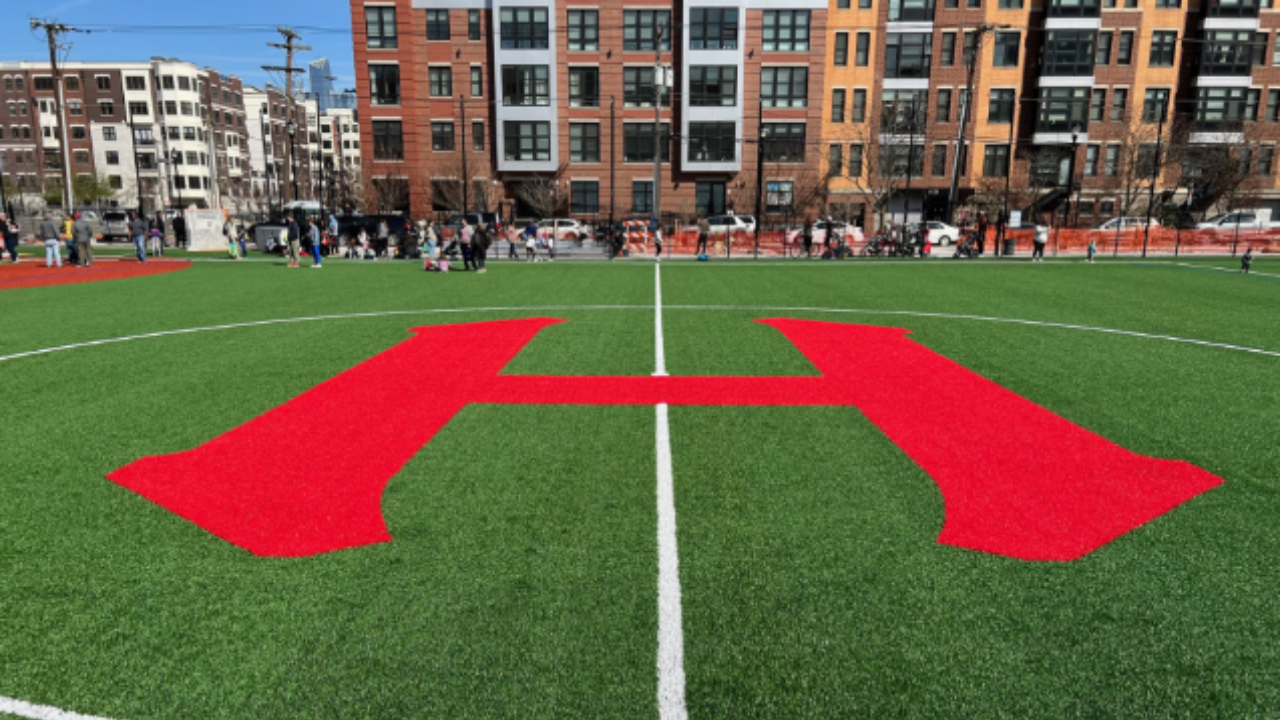
If you visit 12th and Madison Streets in Hoboken today, you won’t see sandbags or massive industrial barriers. You will see kids playing basketball, people walking dogs, and families enjoying a wide-open green space. Look closer, and you realize you are standing on top of a sophisticated piece of climate defense.
The Reality of Urban Flooding and the Post Sandy Blueprint
When Hurricane Sandy struck in 2012, it submerged roughly eighty percent of Hoboken under toxic floodwaters. The city's geography makes it a literal bowl, prone to intense flash floods whenever downpours exceed 0.8 inches per hour. Old sewer lines max out instantly.
Instead of throwing up their hands, local leaders teamed up with urban designers to adopt a four-part strategy: resist, delay, store, and discharge. The crown jewel of this approach is ResilienCity Park, a 5.4-acre space built on a former industrial property once owned by chemical giant BASF.
Most municipal projects stall out because of funding constraints or endless bureaucratic turf wars. Hoboken bypassed this by pulling together a clever mix of federal grants, state low-interest loans, and disaster resilience programs. Crucially, the financing structure meant the project didn’t trigger a hike in local property taxes.
Engineering Meets Everyday Recreation
You cannot solve urban density issues by dedicating massive acreage solely to underground storage tanks. Space is simply too scarce. Hoboken engineers solved this by designing a dual-purpose system that works above and below ground simultaneously.
The park holds up to two million gallons of stormwater during major weather events. Here is how the math breaks down:
- A massive underground detention tank swallows one million gallons of runoff.
- Above-ground green infrastructure, including specially sloped rain gardens and a basketball court engineered to act as a temporary detention basin, holds the remaining million gallons.
- Rainwater harvesting cisterns store moisture specifically for irrigating the park’s trees and lawns during dry spells.
When a severe storm hits, runoff flows naturally into the bioretention areas and down into the subterranean vault. Once the storm passes and municipal treatment plants clear the capacity, pumps slowly release the stored water back into the system. The results speak for themselves. During recent heavy rain cycles, the city registered an eighty-eight percent drop in overall street flooding events.
What Other Cities Keep Getting Wrong
Municipalities love to spend fortunes on grey infrastructure—massive concrete pipes and mechanical pumps that break down over time and add zero value to community life. It is an expensive, sterile approach.
Hoboken proved that green infrastructure can pay for itself by doing double duty. A playground isn't just a place to keep kids busy on a Saturday afternoon; it is a structural asset that protects neighboring basements from destruction. A sports court doesn't just host weekend games; it serves as a safety valve when nature pushes the municipal drainage system to its absolute limit.
The transformation of a contaminated industrial brownfield into a thriving public park also shifts how neighborhoods view vacant land. Instead of waiting for commercial developers to pave over every square foot with luxury housing, cities can reclaim blighted zones to protect public safety.
Scaling Up the Strategy
A single park does not completely fix a regional crisis. City planners know this, which is why Hoboken didn't stop at 12th and Madison.
They have systematically expanded smaller green zones, such as doubling the size of the Southwest Resiliency Park and mapping out additional spaces like the upcoming project at 800 Monroe Street. Every new acre converted to permeable green space takes pressure off the legacy sewer grid.
If your town is wrestling with chronic stormwater issues, stop looking exclusively at expensive underground tunnels. Look at your parks, your school yards, and your empty parking lots. The tools to beat extreme weather are already sitting right beneath your feet, waiting to be redesigned.