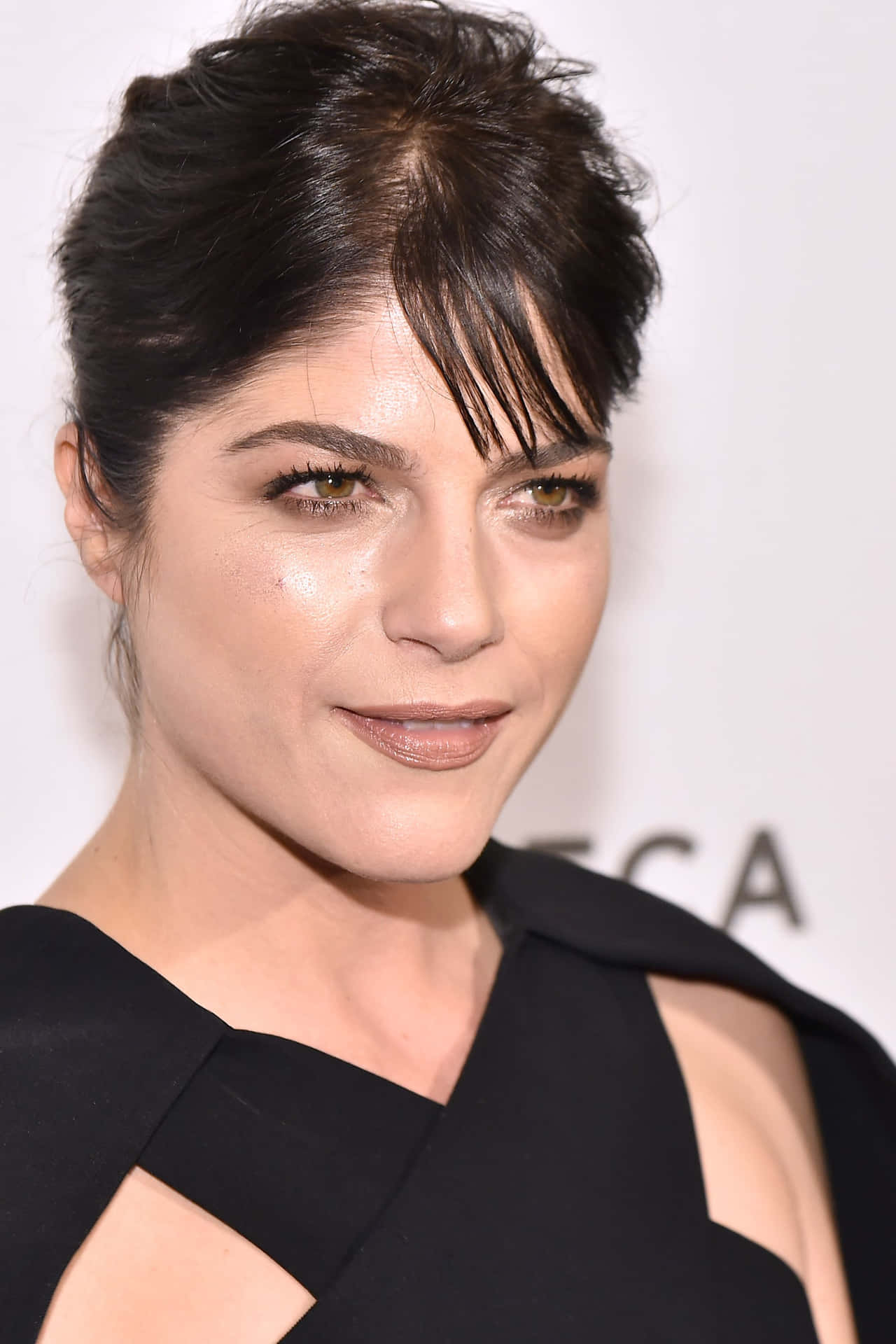
We love a clean narrative arc in public culture, and few figures have been forced into a neater script than Selma Blair. When she shared her multiple sclerosis diagnosis, the cultural machinery immediately went to work writing the tragic icon story, casting her as the brave, broken sufferer confined to the margins of an industry that discarded her. That framing is not just lazy; it fundamentally misunderstands what chronic illness looks like, what agency means, and how this actor actually operates. The public wanted a quiet tragedy or a miraculous corporate comeback tale, but reality is far messier and far more interesting than any studio script could allow.
For decades, the standard response to physical vulnerability in the public eye has been pity packaged as inspiration. You see it every time a prominent person faces a severe medical crisis: commentators rush to strip them of their professional identity, reducing a complex, working artist to a single medical label. We treat chronic conditions as a sudden narrative end rather than an ongoing, shifting state of being. When the diagnosis arrived, the consensus assumed her career was finished, as if an autoimmune disease somehow stripped away decades of timing, technique, and sharp intelligence. That perspective ignores how art is actually made. It assumes performance requires physical perfection, forgetting that some of our finest artistic work is born precisely from friction, limitation, and altered physical realities.
The Anatomy Of Medical Misconception
We have built a cultural architecture that treats health as a binary state: you are either whole or broken, working or sidelined. When symptoms first began manifesting years before her formal diagnosis, doctors blamed exhaustion, anxiety, or stress, demonstrating a systemic failure to listen to patients whose internal realities don't match textbook descriptions. Medicine loves clean categories, and when a body refuses to behave predictably, institutions often default to skepticism. It took an accidental fall in front of a physician to finally trigger an MRI, revealing extensive brain lesions that had been quietly reshaping her daily existence for well over a decade.
The error wasn't just diagnostic; it was philosophical. Society assumes that when a body breaks down, the mind follows suit into helplessness. Yet, the lived experience of managing a chronic condition demands an entirely different kind of rigor. It requires calculating energy budgets, navigating invisible fatigue, and making peace with a nervous system that fires erratically. To watch someone navigate this reality isn't a lesson in passive suffering. It's a masterclass in radical adaptation. While tabloids focused on canes and wheelchairs as symbols of loss, those tools were actually instruments of freedom, allowing movement where there was previously confinement. We misread the props because we couldn't look past our own discomfort with physical decline.
Redefining Resilience In Public View
Resilience isn't a smooth ascent back to the status quo, and pretending otherwise does a disservice to anyone navigating bodily betrayal. Recent health updates reveal a landscape of remission and stability, but stability doesn't mean a return to the past. The daily management required to stay relapse-free involves persistent neurological glitches, stamina management, and the quiet labor of rebuilding a life after years of running on fumes. By refusing to sugarcoat the exhaustion or perform a sanitized version of recovery, she broke the unwritten Hollywood rule that requires stars to suffer in private and emerge glossy and untactile.
Skeptics often argue that public figures should keep their medical struggles behind closed doors to protect their professional viability. They claim that transparency invites typecasting or pity, turning an artist into a clinical curiosity. But that argument assumes the industry's old gatekeepers were protecting artists when they were actually enforcing a rigid conformity. True power in this space comes from rewriting the terms of engagement. By showing up with honesty, altering how red carpets are navigated, and demanding accommodations without apology, the narrative shifts from what a body has lost to what an unyielding spirit can still command.
We keep looking for neat resolutions to stories that refuse to end cleanly, expecting a triumphant final act where all symptoms vanish and the world returns to how it looked in 1999. Life doesn't work that way, and neither does art. The real breakthrough isn't that a famous actor managed to defy her diagnosis; it's that she forced a superficial culture to look directly at the unglamorous, exhausting, and deeply ordinary truth of living inside a fragile human shell.