You see them on screen. You hear about them during award season. Actors get the gold statues, the magazine covers, and the universal adoration when a movie hits big.
Meanwhile, the people who actually built the set, rigged the lights, and spent fourteen hours standing on asphalt in 40-degree weather remain invisible. That imbalance defines modern entertainment.
We throw massive public support behind union actors walking picket lines or negotiating contracts, but union film crews rarely get that same energy from the general public. It has to change.
The Invisible Backbone of Every Production
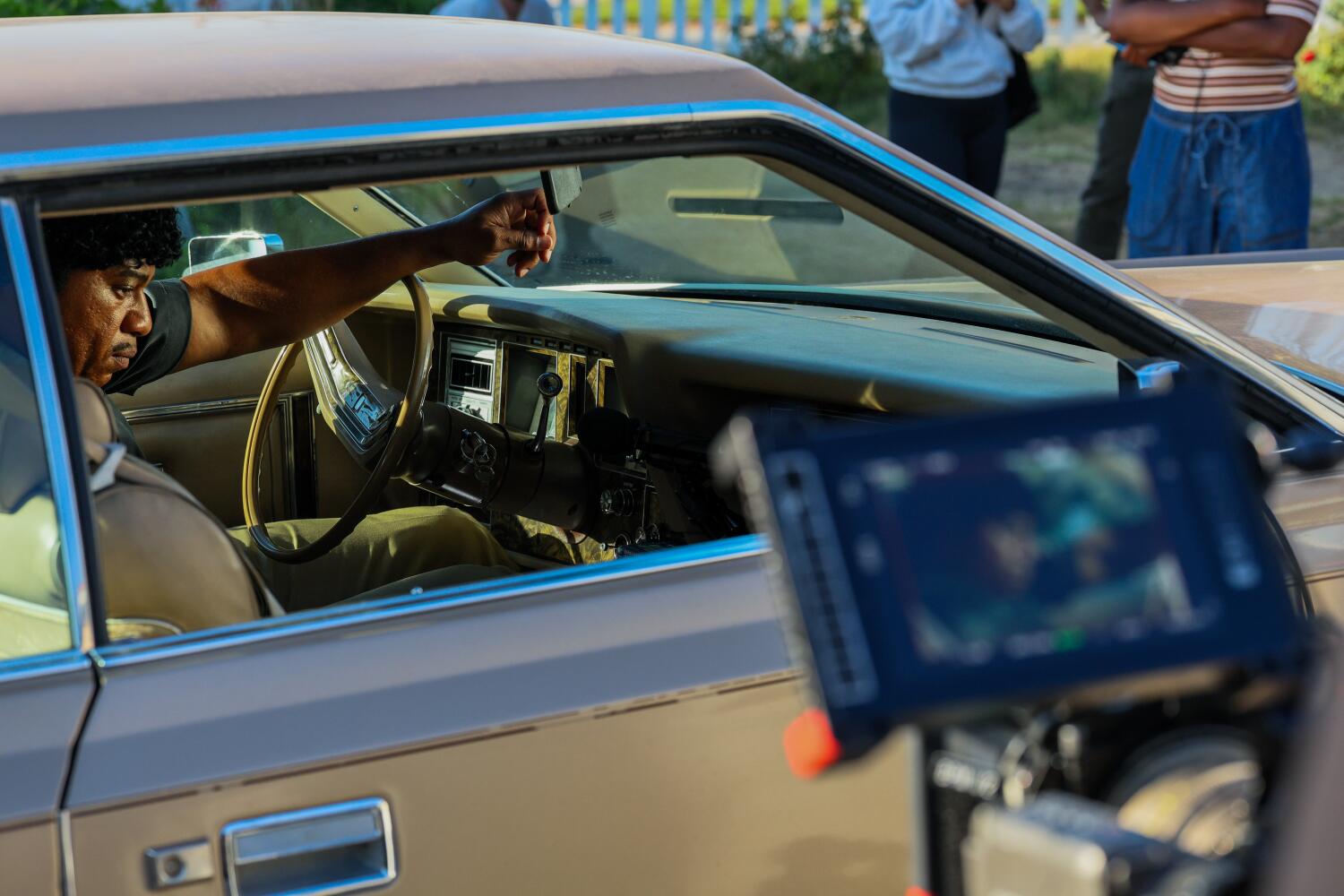
Talk to anyone who has actually worked on a movie set, and they will tell you the same thing. A famous lead actor can phone in a performance if the camera angle is right and the editing hides the gaps. A gaffer, a sound mixer, or a union grip cannot fake their job.
If the audio drops out, the scene fails. If the lighting rig collapses, people get hurt.
Yet, when independent films or studio blockbusters run into financial trouble, the crew bears the brunt of the suffering. Deferred paychecks, unsafe turnaround times, and squeezed health insurance thresholds hit below-the-line workers first.
Actors have powerful representation and public profiles that force studios to the table. Crews operate behind anonymity. When an indie production signs an interim agreement or a union contract, the public celebrates the talent on camera. Nobody asks whether the camera operators, makeup artists, and prop masters are receiving guaranteed health contributions and proper overtime pay.
Why the Double Standard Exists
Public perception loves a face. Viewers connect with the celebrity whose poster hangs on a billboard. They do not picture the union grip hauling heavy C-stands across a muddy field at three in the morning.
Studio executives rely on this psychological blind spot. They know audiences will rally to protect their favorite movie stars during labor disputes, but they bank on public apathy when it comes to crew welfare.
Independent cinema adds another layer of complexity. Low-budget indie films often ask everyone to "chip in for the art." Actors are told exposure will build their brand. Crew members are told the exact same lie, except exposure does not pay rent or buy groceries.
When a low-budget indie film goes union, it costs real money. Producers often try to cut corners on crew wages and safety standards long before they trim the talent budget.
What Solidarity Actually Looks In Practice
Supporting union labor in entertainment cannot stop at the box office. If you care about fair labor practices, you have to look past the marquee names.
- Demand transparency on working conditions for below-the-line staff.
- Support labor actions called by stagehands and tech unions just as fiercely as you back actor guilds.
- Stop romanticizing indie productions that exploit non-union or underpaid crew members under the guise of indie grit.
Art should not require exploitation. When the industry cuts corners, it usually crushes the people carrying the heaviest physical load. Next time you watch the credits roll at the end of a film, look at how many hundreds of names flash past. Those people deserve the exact same safety nets, fair wages, and public advocacy as the stars at the very top. Stop treating film crews like background noise.