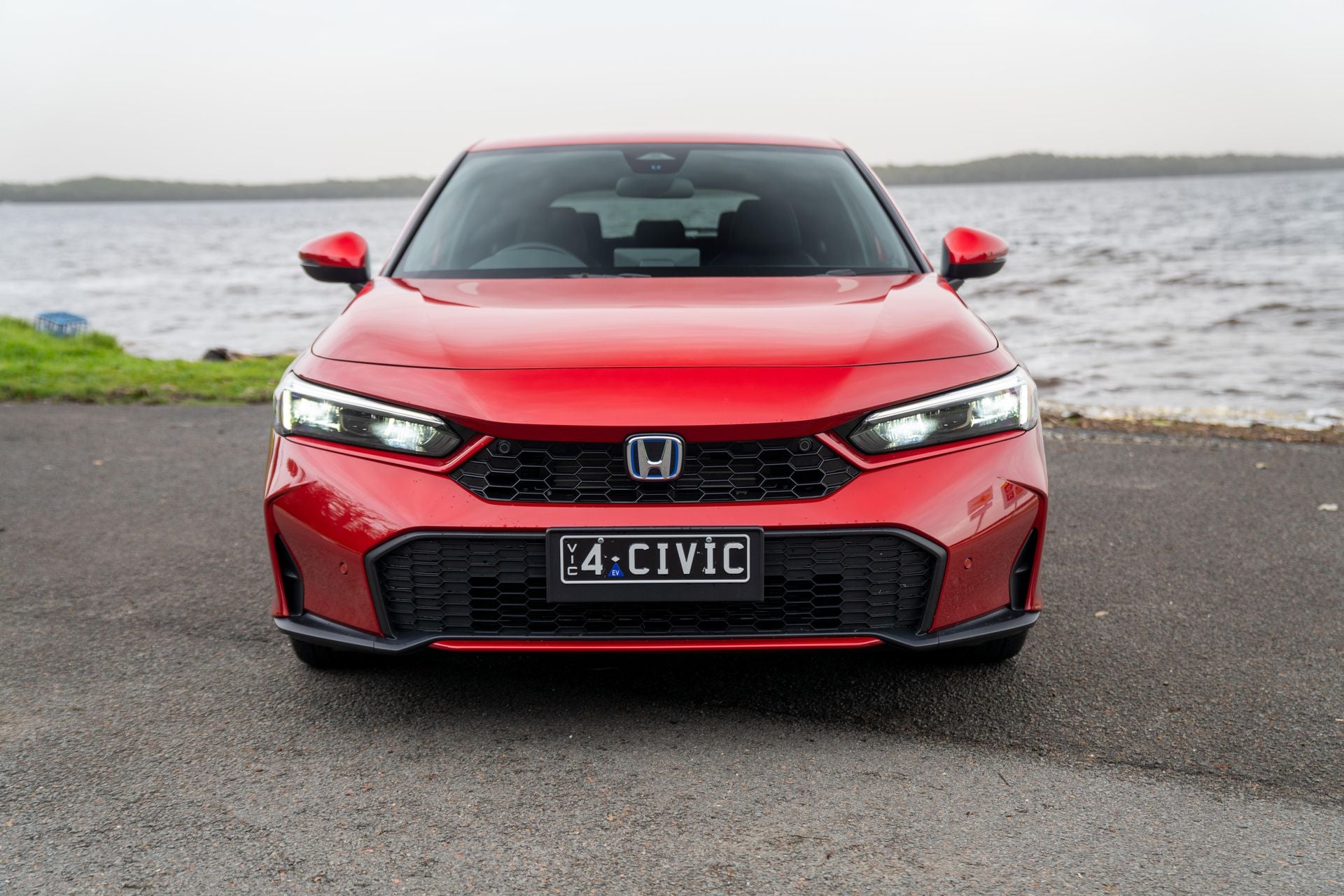
Car executives spent years telling anyone who would listen that pure electric vehicles were the only destination worth caring about. Turns out, reality had other plans. Honda just dropped a massive three billion dollar bet on US manufacturing, and it isn't for battery-electric cars. The Japanese automaker is doubling down on hybrids, proving that traditional fuel efficiency paired with electric motors is where the smart money is actually heading right now.
If you’ve been watching the automotive market shift over the last year, this pivot shouldn't shock you. Drivers want lower fuel bills without the charging anxiety or steep upfront costs of a full EV. Honda sees the writing on the wall and is redesigning its entire North American operational footprint to capture that demand.
Inside the Three Billion Dollar Ohio Expansion
The centerpiece of this massive financial commitment is a brand-new automobile production facility slated for Central Ohio. Scheduled to start production by 2029, this factory will pump out an extra 240,000 vehicles a year and bring more than 2,000 new jobs to the region.
Unlike older assembly lines locked into a single powertrain style, this plant is built with flexibility at its core. It can handle hybrids, internal-combustion engines, and whatever else the market throws its way. That adaptability is critical in an industry where regulatory targets and consumer preferences shift faster than product development cycles.
This isn't happening in a vacuum. Honda is weaving its entire regional manufacturing network into a tight web. Facilities in Alabama and Georgia are getting serious upgrades too. Alabama is gearing up to build heavy-duty hybrid systems and next-generation V6 engines for larger vehicles, while Georgia is adding dedicated assembly lines for hybrid components. When everything comes online, Honda’s total US auto production capacity will jump to roughly 1.3 million vehicles annually, with North American capacity pushing past 1.9 million.
Why Hybrids Won the Practicality War
Automakers love ambitious, decade-long timelines. But boardrooms eventually have to answer to actual buyers who vote with their wallets. Pure electric vehicle adoption hit bumps related to infrastructure gaps, high sticker prices, and changing government incentives.
Hybrids hit the sweet spot. They require zero lifestyle changes from the driver. You don't need to hunt for a fast charger on a freezing highway, yet you still get stellar fuel economy in stop-and-go city traffic. Honda realized that forcing consumers into pure electric cars before the market was ready risked ceding massive market share to competitors who kept flexible lineups.
By committing to launch fifteen new hybrid models globally by 2030—with North America acting as the primary testing ground and cash cow—Honda is securing its financial future. They aren't abandoning future tech; they're funding it with the steady cash flows that practical, high-demand hybrids generate today.
What This Means for the American Automotive Workforce
Building cars where you sell them protects a company from sudden trade policy shifts, shipping nightmares, and geopolitical friction. Honda has spent nearly half a century manufacturing in America, and this latest injection of capital cements that local strategy.
The ripple effects across the supply chain will be massive. Upgrading powertrain plants in Ohio to increase hybrid component output by 250 percent means local component makers and steel suppliers are locked into long-term contracts. Workers aren't just bolting doors together anymore; they are learning advanced automation and digital manufacturing systems designed to keep American plants globally competitive.
Shifting a massive global corporation's strategy takes nerve. Honda took a hard look at consumer data, swallowed its pride regarding early EV-only forecasts, and retooled its future. Three billion dollars later, they've made it clear that the bridge to tomorrow runs on a mix of gas and electricity.