You’ve heard the phrase a thousand times. Every time a high-profile financial summit wraps up or a new mega-project gets greenlit, officials trot out the old slogan. They tell anyone who will listen that Hong Kong has turned the corner. Naturally, skeptics roll their eyes. They dismiss it as political spin designed to mask structural challenges and dwindling foreign capital.
Except the current economic data tells a different story.
Hong Kong's recovery isn't just a PR campaign fueled by wishful thinking. Real economic indicators are shifting. If you look past the standard political talking points and examine what is happening on the ground, the city's trajectory is built on tangible numbers rather than empty cheerleading. Let's break down what's actually changing.
The Numbers Behind the Momentum
Skepticism about Hong Kong's financial hub status was entirely justified over the past few years. Talent drained out. Commercial office vacancies climbed to painful highs. International investors parked their money elsewhere amid geopolitical friction.
Things changed. Financial Secretary Paul Chan revised the full-year economic growth forecast up toward 4.8 percent, driven largely by a powerful surge in AI-driven exports and resilient re-export volumes. That is not a rounding error. It represents the strongest pace the city has seen since 2021.
Corporate earnings are rebounding, and office leasing activity in core districts is finding a floor. When multinational firms quietly renew major leases in Central instead of downsizing further, they aren't doing it out of sentimentality. They are doing it because the local ecosystem continues to offer unmatched access to mainland liquidity and cross-border trade networks.
Plugging Into the Greater Bay Area Plumbing
For years, critics argued that Hong Kong was losing its unique edge as it integrated closer with mainland China. That argument misses how modern regional economies actually operate.
Integration doesn't mean dilution. It means upgrading the plumbing. Initiatives like the Northern Metropolis megaproject and deep cross-border rail agreements are designed to turn regional cooperation into literal physical infrastructure. Instead of treating the Chinese mainland as a distant market, local enterprises are embedding themselves directly into the production chains of the Greater Bay Area.
The city is positioning itself as a regional control tower. It bridges diverse Asian manufacturing networks with Western capital markets. When Southeast Asian firms look for a launchpad to tap mainland consumers, they use Hong Kong not because they have to, but because no other jurisdiction offers the same legal certainty, offshore renminbi liquidity, and professional services package.
The Real Risks No One Talks About
Let's be clear. A rising GDP forecast doesn't mean the city has solved all its problems. Pretending everything is smooth sailing is where bad analysis begins.
Local consumer sentiment remains fragile. High living costs and shifting retail habits mean the domestic economy is dragging behind the export-driven macro numbers. Retailers and food-and-beverage operators still feel the squeeze as local residents increasingly cross the border for weekend spending. Furthermore, global geopolitical volatility remains an unpredictable threat. Supply chain disruptions and US-China technology curbs can stall momentum overnight.
Yet, acknowledging these hurdles makes the actual recovery more impressive, not less. Hong Kong isn't bouncing back because global headwinds vanished. It is adapting in spite of them.
Where the Smart Money Is Moving
If you want to understand where Hong Kong goes next, watch the capital flows rather than the headlines.
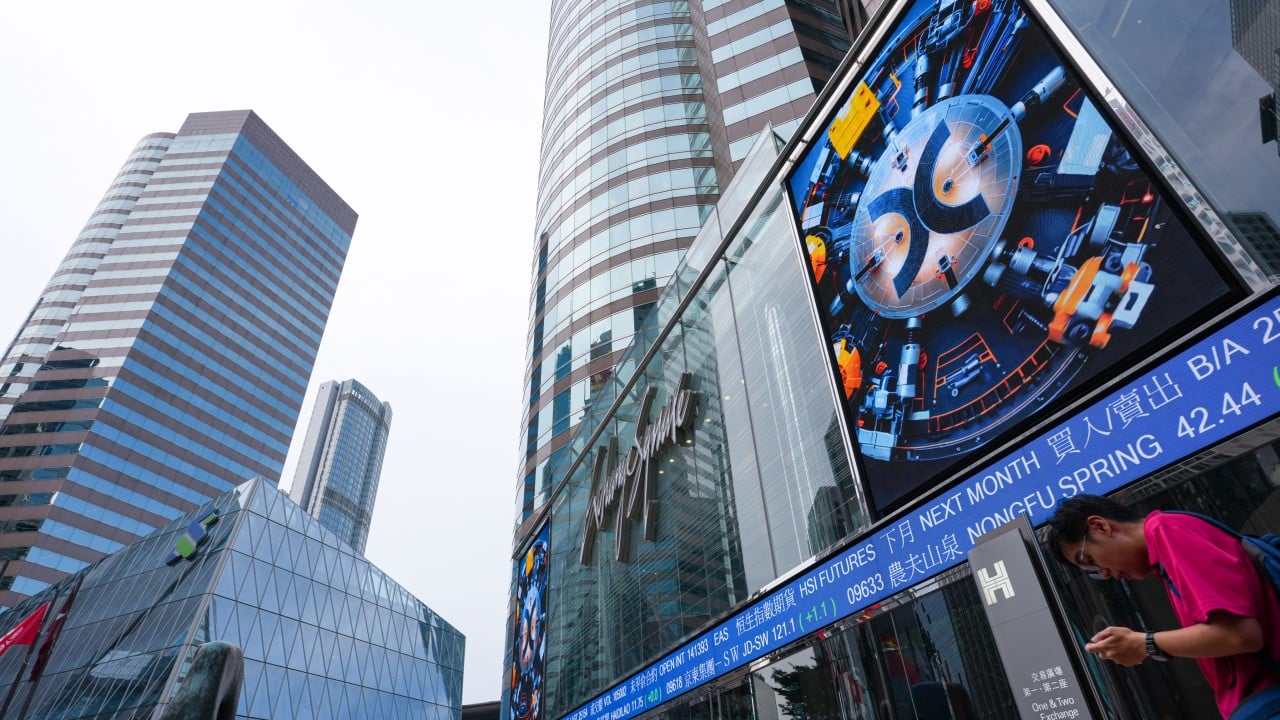
Pre-profit biotech listings, green shipping partnerships with ports like Qingdao, and specialized intellectual property-backed lending pilots are quietly reshaping the local bourse. The Hong Kong Stock Exchange is no longer relying solely on massive traditional property developers or standard mega-IPOs to drive turnover. It is diversifying into high-value sectors that match global economic shifts.
Stop waiting for a single magical moment where everything goes back to the way it was in 2018. That era is gone. What has replaced it is a leaner, more integrated, and fiercely practical commercial hub. The hype is still there, but the foundation underneath it has finally caught up.