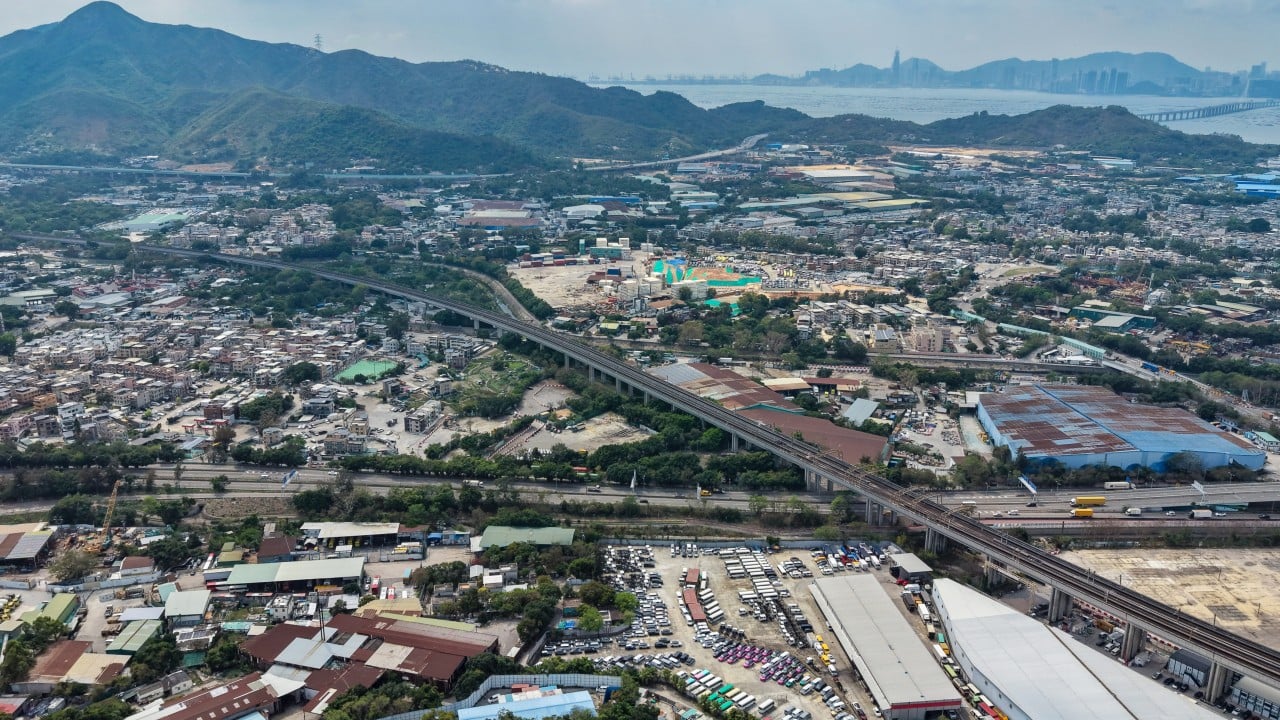
Hong Kong's massive Northern Metropolis blueprint is moving past empty blueprints and hitting the ground running. Officials just threw open the market for expressions of interest regarding prime land parcels designated for a modern logistics cluster.
If you've been watching the city's property and supply chain shifts, you know this isn't just routine paperwork. It represents a hard pivot toward cross-border integration with Shenzhen, fixing a chronic shortage of high-end warehousing space that has plagued operators for years.
The Push for Modern Logistics in Hung Shui Kiu
The government is targeting specific land parcels nestled within the Hung Shui Kiu and Ha Tsuen New Development Area. This zone serves as a anchor for the entire northern strategy.
For decades, local supply chain operators relied on cramped multi-story industrial buildings or scattered brownfield sites. Those temporary setups are dying out. The new plan carves out dedicated space for smart, multi-story logistics facilities equipped with automated storage and retrieval systems.
You cannot run modern e-commerce fulfillment out of an open-air container yard anymore. The market demands heavy floor load capacities, wide column grids, and direct ramp access to upper floors. These upcoming land plots aim to solve that exact pain point.
Why Location Changes the Equation
Proximity dictates value in supply chain management. These new logistics parcels sit right on the doorstep of the mainland border, plugging directly into the transport corridors leading toward Shenzhen and the wider Greater Bay Area.
Think about how goods move right now. Shippers want reduced transit times and smoother customs clearance. By placing high-density logistics hubs in the northwest New Territories, operators can bypass urban congestion on Hong Kong Island and Kowloon entirely.
The strategy pairs physical infrastructure with digital upgrades. Automated data exchanges between local operators and mainland customs checkpoints are baked into the core design. Shippers cut administrative delays down to minutes instead of hours.
What Developers and Operators Need to Know
Getting a piece of this action requires more than deep pockets. The administration prefers consortiums that pair traditional real estate developers with seasoned logistics operators.
Standalone developers often miscalculate warehouse clear heights or automated material handling requirements. On the flip side, logistics firms rarely possess the capital structure to execute mega-scale civil engineering works. Joining forces is the only way forward.
Watch how the expression of interest window unfolds over the coming weeks. The feedback collected will shape the actual tender parameters, determining lease conditions and environmental compliance targets. This phase dictates the commercial viability of the sector for the next generation.
Stop viewing the Northern Metropolis as a distant real estate gamble. The logistics wheels are already turning.