Everyone loves to write obituaries for global financial hubs. Whenever markets dip or office vacancies rise, the commentators line up to declare that a city's glory days are finished. But Hong Kong isn't folding its hand. Instead, the administration is executing a massive strategic pivot toward hard innovation, structural manufacturing upgrades, and aggressive brain-gain initiatives.
If you look past the standard headlines about real estate fluctuations, a much bigger transformation is underway. The city's debut five-year plan and the 2026 policy address signal a definitive shift. Hong Kong wants to stop relying solely on banking and property, building an actual physical and digital engine for the future instead.
Moving Beyond Finance and Concrete
For decades, the formula was simple. Build skyscrapers, trade stocks, sell apartments, repeat. It worked brilliantly until it didn't. Global volatility and shifting capital flows made it painfully obvious that a single-engine economy is fragile.
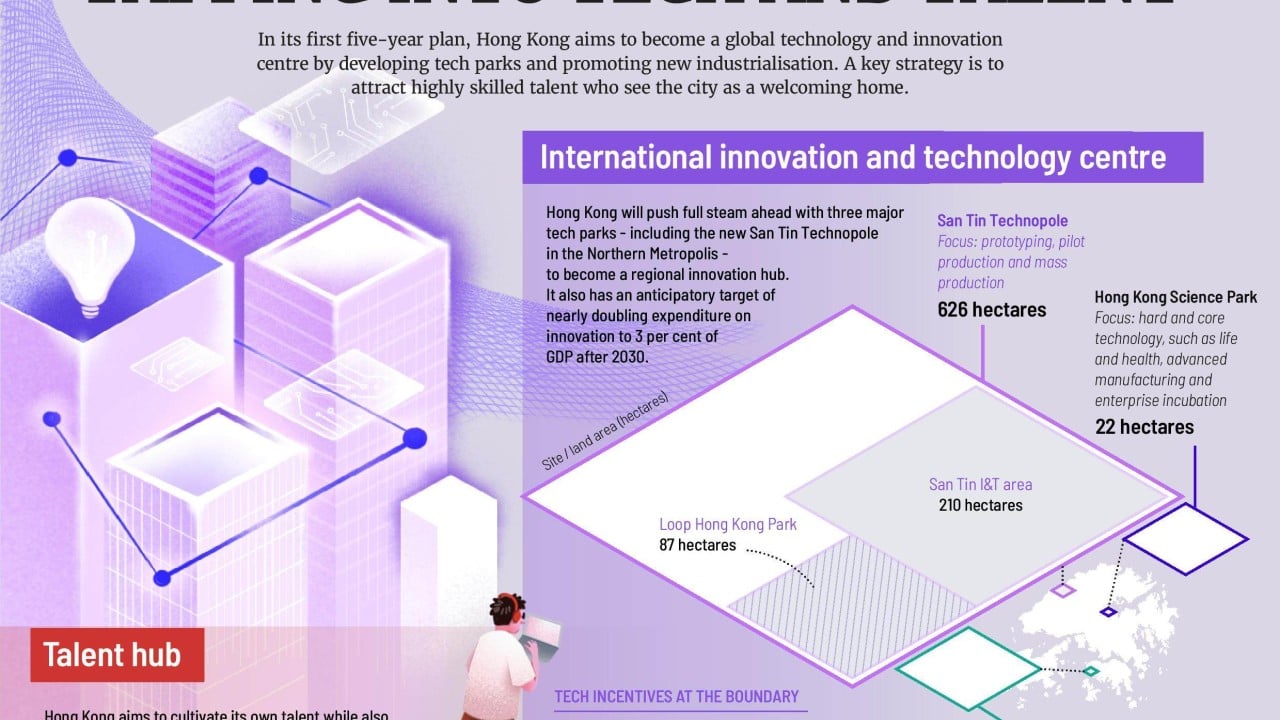
That realization birthed the current push into industrialisation and technological advancement. We aren't talking about generic corporate buzzwords or vague incubator programs. The city is pouring resources into physical infrastructure like the Northern Metropolis and dedicated technology parks designed to turn research papers into commercial hardware and software.
When you visit modern innovation hubs across the border in Shenzhen, the contrast used to be stark. Hong Kong had the brilliant minds sitting in university labs, but the manufacturing scale happened elsewhere. The new five-year plan aims to close that gap. By promoting local industrialisation, the goal is to keep the entire value chain—from initial code to final prototype—within striking distance of Victoria Harbour.
The Talent Wars Are Getting Personal
You can pour billions of dollars into concrete laboratories, but buildings don't write algorithms or commercialise biotech patents. People do. And for years, Hong Kong bled prime talent to Singapore, London, and New York.
The government's response has been remarkably blunt. Through overhauled visa schemes and aggressive recruitment drives, thousands of skilled professionals have flooded back in. But importing minds is only half the battle. Retaining them requires fixing sky-high living costs, reforming outdated education tracks, and making it genuinely attractive for young innovators to build startups locally rather than fleeing overseas.
The reality on the ground is complex. Housing remains a massive bottleneck. International executives still groan about school fees and apartment rentals. Yet, the influx of mainland and overseas researchers has injected a gritty, entrepreneurial energy into university campuses that hasn't existed before.
What the Five-Year Plan Actually Changes
Skeptics point out that governments are notoriously bad at picking winners. Bureaucrats sitting in air-conditioned offices rarely build the next great computing architecture. So how is this different?
- Infrastructure Integration: The Northern Metropolis isn't just an urban expansion project. It is deliberately designed to mesh with the Greater Bay Area, linking Hong Kong's financial and legal systems directly to mainland manufacturing powerhouses.
- Targeted Funding: Capital is finally moving away from broad subsidies and toward deep tech sectors like artificial intelligence, life sciences, and advanced materials where Hong Kong universities already hold world-class research credentials.
- Institutional Realignment: Universities are facing intense pressure to spin off commercial ventures rather than just publishing academic papers that gather digital dust.
The Real Test Ahead
Passing policy papers is the easy part. The real test is execution speed. Bureaucratic red tape has traditionally killed more startups in Asia than bad business models ever did. If Hong Kong wants to cement its status as a premier global innovation centre, it has to move at the speed of a tech startup, not a government ministry.
Keep an eye on how fast the Northern Metropolis breaks ground on actual manufacturing facilities rather than just residential towers. Watch whether local graduates choose to stay or continue packing their bags for San Francisco. The outcome of this multi-year bet will define whether the city remains a powerhouse or slowly fades into an expensive theme park for tourists.