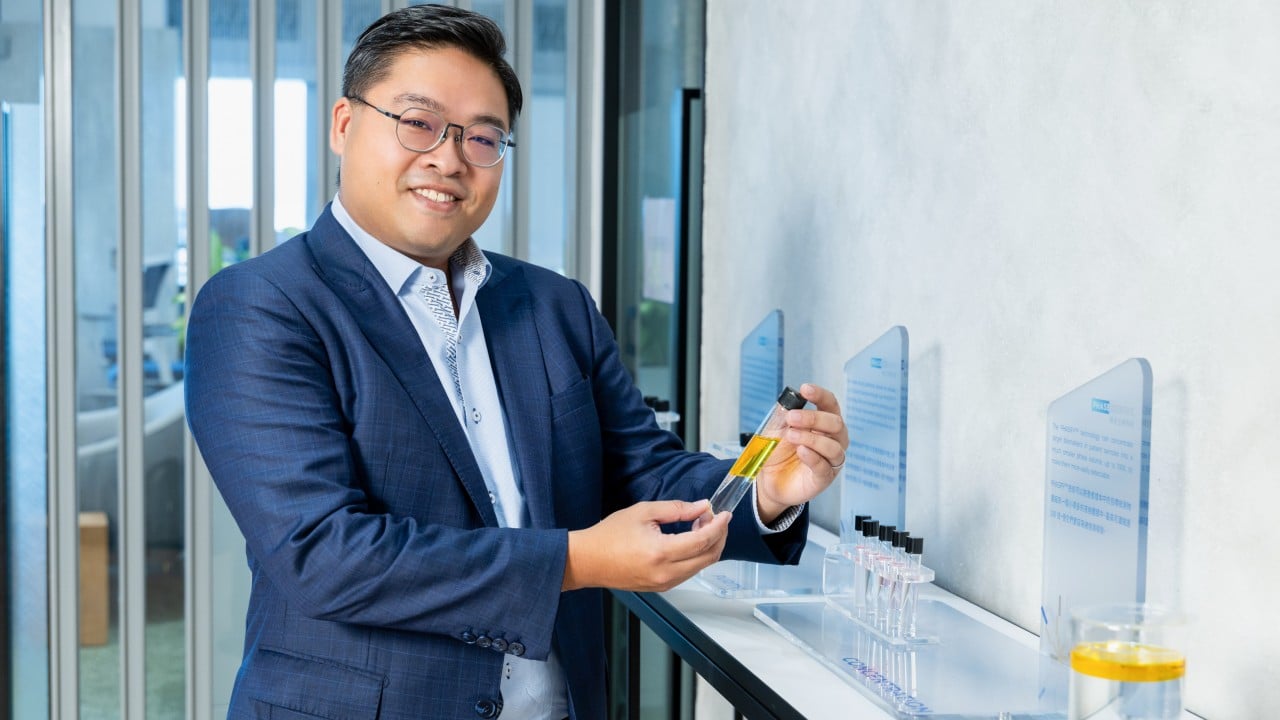
Traditional cervical cancer screening is uncomfortable, outdated, and frankly, keeps too many people away from clinics. If you have ever sat through a standard Pap smear, you know the anxiety, the physical discomfort, and the wait for results that can stretch out for weeks. Medical technology has spent decades trying to fix this friction point. Now, local biotech startups are stepping up with diagnostic breakthroughs that could change how we detect cervical cancer entirely.
Recent spotlights, such as the recognition at the Spirit of Hong Kong Awards, highlight a vital shift happening across local laboratories and biotech hubs. Researchers aren't just publishing academic papers anymore. They are building accessible, rapid, and less invasive screening tools designed to catch cellular abnormalities before they turn into major health crises.
The Core Problem With Traditional Screening
Pap smears have saved countless lives since their introduction, but they have major blind spots. They miss roughly half of early pre-cancerous changes. While human papillomavirus (HPV) testing improved detection rates, standard HPV assays often flag low-risk infections that clear up on their own, creating unnecessary panic for patients.
You end up in a frustrating loop of repeat testing, secondary exams, and painful biopsies. Healthcare systems struggle with backlogs, and patients pay the price in stress and delayed care.
Biotech firms are tackling this exact bottleneck by shifting the focus from general virus detection to precise molecular markers. Instead of asking if a virus is present, advanced diagnostic assays analyze epigenetic changes and specific biomarkers that indicate active, dangerous cell transformations.
Why Early Detection Biotech Changes the Equation
When a biotech firm manages to cut down processing time and improve accuracy, the ripple effects across public health are massive. Imagine a screening process that delivers results in a fraction of the time, requires smaller sample volumes, and dramatically reduces false positives.
- Fewer invasive follow-ups: Accurate triage tests mean patients with harmless viral presence don't get shoved into unnecessary, painful biopsies.
- Lower cost barriers: Streamlined molecular assays lower per-test manufacturing expenses, making high-accuracy screening viable in resource-limited clinics.
- Speed to intervention: When results drop from weeks to hours, doctors can map out treatment plans immediately.
This is where Hong Kong’s unique ecosystem shines. Combining world-class medical schools like the University of Hong Kong with agile biotech startups creates a fast track from bench science to clinical application. Awards and public recognition help secure the funding and visibility needed to push these innovations out of university basements and into community health centers.
What Needs to Happen Next
Technology alone won't solve screening reluctance. Public health messaging needs to catch up with the science. People avoid screening because they fear discomfort or bad news. When clinics adopt rapid, non-invasive diagnostic options backed by high-precision biotech, the narrative shifts from dread to routine maintenance.
If you are due for a screening, don't let outdated stereotypes about the procedure keep you away. Talk to your healthcare provider about modern testing options available in your region. Demand accuracy, and keep an eye on how local biotech breakthroughs continue to reshape preventative medicine in the coming years. Take charge of your health schedule today.