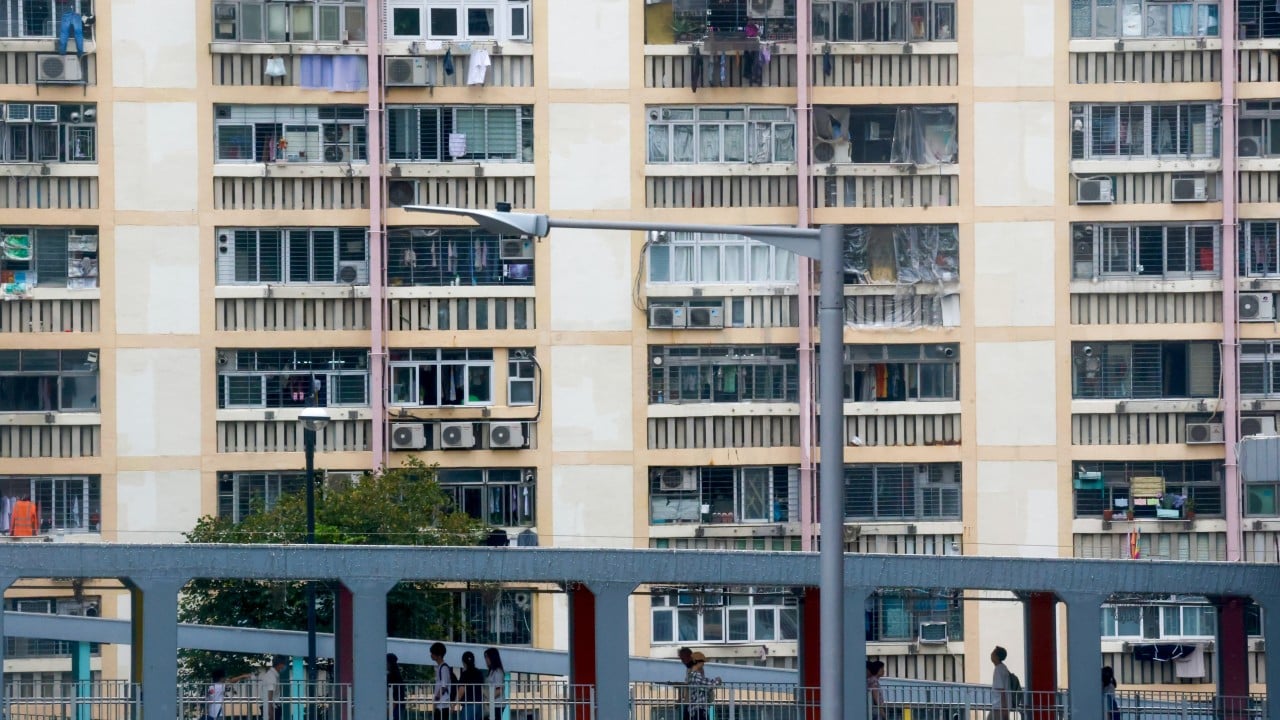
Hong Kong is arguing about numbers again. The government is currently gauging public opinion on whether future housing land should maintain its traditional allocation or shift toward a strict 50:50 split between traditional public rental flats and subsidised sale homes. It sounds like a simple policy tweak. It isn't.
When you live in a city where the housing ladder feels permanently broken, every percentage point shift carries massive weight. Renters want security. Aspiring buyers want a way out of the private rental trap. Balancing these two desperate demands is a political tightrope.
The Core Dilemma Behind the Housing Ratio
For decades, the city's housing strategy leaned heavily toward public rental housing to clear out long waiting lists. That queue is notoriously long. People wait years for a set of keys. But building only rental units creates a stagnant pool. Families move in and stay forever because they have no financial incentive or capacity to transition elsewhere.
Enter subsidised sale flats. These units give lower- and middle-income families a foothold on property ownership. They stimulate social mobility. They turn renters into stakeholders.
Yet, forcing a rigid 50:50 split creates a zero-sum game. If you build more flats for purchase, you automatically slow down the rollout of rental units for the poorest applicants. If you prioritize rentals, you crush the dreams of young professionals who earn too much for public housing but nowhere near enough for private downtown apartments.
Why a Blanket Percentage Fails Reality
A flat-rate ratio ignores geographic and economic nuances. Building a sale flat in a remote New Territories outpost carries a completely different market response than building one near an urban transit hub.
Urban demand focuses heavily on immediate shelter. Families crammed into substandard subdivided units don't care about equity growth or resale values. They want four walls, a functioning roof, and an affordable rent bill right now. Pushing them toward a home ownership scheme they cannot finance is cruel.
On the flip side, ignoring the sandwich class breeds deep resentment. These workers pay heavy taxes, receive minimal welfare, and watch private property prices float entirely out of reach. When public housing production skews too far in one direction, this demographic gets squeezed out completely.
What the Public Consultation Is Actually Hiding
Public consultations in Hong Kong often feel like procedural rubber stamps. The debate over the 50:50 split forces people to pick a side in an artificial binary. You either stand with the destitute renter or the struggling homebuyer.
That framework is dishonest. The real bottleneck has never been the ratio on a spreadsheet. It is land supply, construction velocity, and infrastructural lag. You can draw whatever split you want on paper. If the bulldozers aren't moving and land reclamation or rezoning takes a decade, the numbers mean nothing.
The next few years will test whether officials can break past these rigid policy boxes. Total public housing supply is projected to hit nearly 196,000 flats over the next half-decade. That sounds impressive until you match it against the sheer volume of households living in squalid conditions or paying half their monthly wages to greedy landlords.
Ratios matter, execution matters more. Stop debating the split and start building faster.