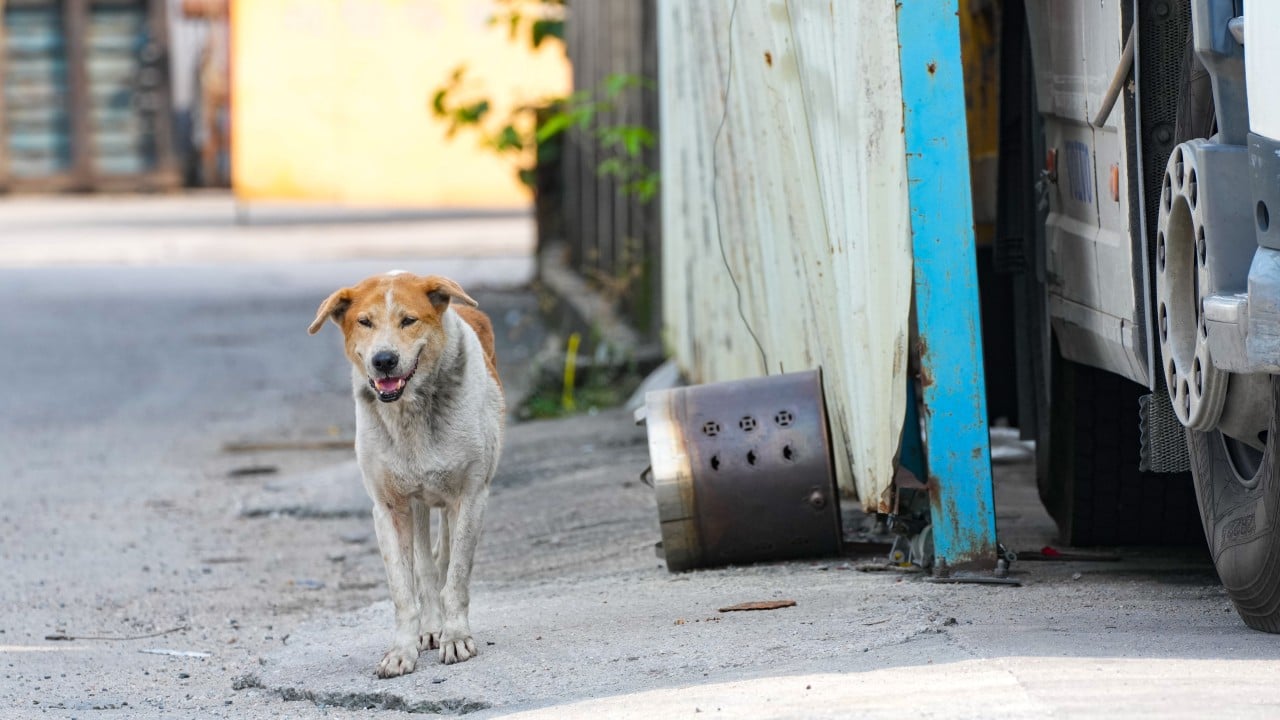
Bulldozers are moving in, and thousands of animals are being left behind. When the government pushes forward with ambitious urban renewal initiatives like the Northern Metropolis project in the New Territories, headlines usually focus on housing shortages, land supply, and economic restructuring. But there is a silent casualty of this massive infrastructure push that rarely gets discussed in official planning meetings. Recent data reveals a direct link between widespread land clearance and a sharp surge in abandoned and stray animals wandering through rural districts.
If you look closely at intake records from animal rescue organizations operating across Hong Kong, a grim pattern emerges. Roughly forty percent of rescue cases tracked over a six-month period trace directly back to the Northern Metropolis development zones. Rural villagers, local businesses, and industrial operators forced to relocate ahead of government clearance deadlines are simply walking away from their companion animals and working dogs.
The Human Disruption Behind the Animal Wave
Urban expansion rarely happens cleanly. In places like Yuen Long, San Tin, and other rural pockets slated for massive transformation, communities that have existed for decades are being dismantled. Many residents live in village houses or open lots where keeping guard dogs or free-roaming pets was standard practice. When the eviction notices arrive and relocation timelines tighten, housing restrictions in public estates or cramped private apartments leave owners with very few options.
Many landlords explicitly ban pets. Other owners claim they cannot afford the logistics of moving large animals. Instead of seeking out overburdened shelters, they cut corners. Dogs once kept chained outside workshops, fish ponds, or open yards are untethered and left to fend for themselves. Guard dogs meant to protect properties are abandoned the moment the gates lock for good.
The scale of this displacement is staggering. Hong Kong’s limited network of animal welfare groups is completely overwhelmed. Clinics report running past maximum capacity, forced to turn away desperate calls on a daily basis. When local shelters lack the physical space and funding to absorb hundreds of displaced creatures simultaneously, the streets and abandoned village tracks become the default dumping ground.
Why Current Laws Fail Vulnerable Animals
You might wonder why owners face so few legal consequences for walking away from a living creature. The hard truth is that Hong Kong's animal welfare regulations are outdated and struggle to meet modern enforcement demands. Current legislation makes it remarkably easy for individuals to own and keep certain animals without stringent licensing or tracking. Without an enforceable legal duty of care that forces owners to provide a baseline standard of treatment, tracking down culpable parties after a clearance deadline passes is nearly impossible for authorities.
Legal experts and animal advocates have spent years calling for systemic overhauls. Suggestions include lowering license fees for owners who spay or neuter their pets, introducing stricter penalties for abandonment, and establishing coordinated transition protocols before any bulldozers touch rural soil. Yet, policy changes move at a glacial pace compared to heavy machinery. By the time legislative amendments clear the government pipeline, thousands of animals have already suffered the consequences of neglect.
The Strain on Rescue Networks
Private animal shelters carry the burden that government planners fail to budget for. Operating primarily on donations and volunteer labor, these sanctuaries are bracing for an even worse wave of intake as land resumption accelerates. Organizations that specialize in older, handicapped, or traumatized rescues find themselves entirely cornered.
When a shelter is forced to relocate due to rezoning or infrastructure expansion, the ripple effect threatens the entire rescue ecosystem. Losing even a single facility means dozens of vulnerable animals lose their final safety net, driving up euthanasia numbers in municipal holding centers. Stray management in Hong Kong has historically leaned heavily toward reactive culling or capture rather than proactive community solutions like structured trap-neuter-return programs.
What Needs to Change Right Now
Fixing this crisis requires a complete shift in how urban planners view living infrastructure. Development bodies cannot treat animal welfare as an afterthought to be dealt with only after protests erupt or stray populations spiral out of control.
First, advance impact assessments must incorporate comprehensive animal censuses for any rural zone marked for clearance. If the government can budget for structural demolition and soil testing, it can easily fund temporary holding facilities and relocation subsidies for pets belonging to displaced villagers.
Second, enforcement agencies need to crack down heavily on abandonment during land resumption periods. Setting up mobile intake units and temporary fostering networks directly inside clearance zones would give owners a viable alternative to turning animals loose on the streets.
Urban progress doesn't have to mean leaving the most vulnerable behind. Until city planners factor living creatures into their master blueprints, every new housing estate built on cleared land will carry a hidden cost paid in animal lives. Stop treating community animals as disposable inventory, and start holding developers accountable for the chaos left in their wake.