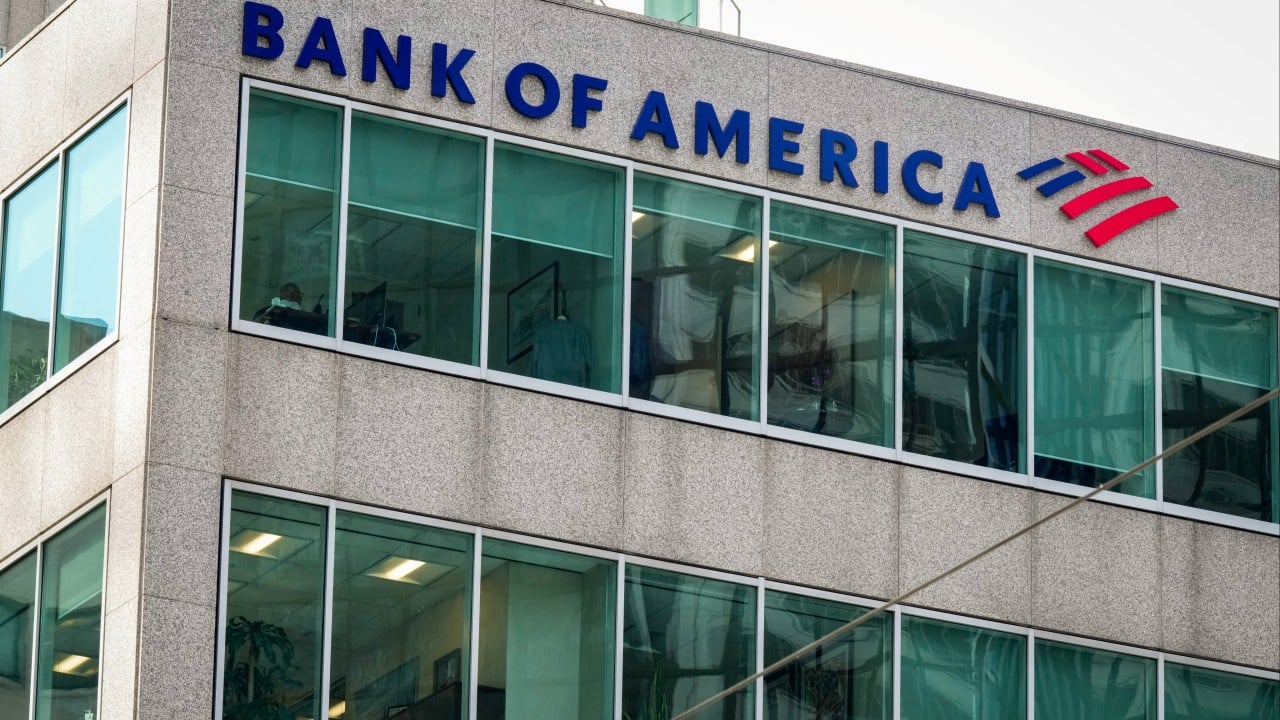
Hong Kong has long chased a singular, glittering obsession. Look at the skyscrapers piercing the skyline and you see a monument built for balance sheets, not everyday citizens. When financial freedom indices rank the city near the top year after year, it is easy to forget what life actually looks like on the ground for the millions living inside those concrete walls.
For decades, the standard formula went like this: keep taxes low, let the free market run wild, and watch capital pour in. It worked wonders for billionaires, multinational corporations, and real estate developers. But if you walk through cramped subdivided flats in Sham Shui Po or talk to young graduates struggling to afford a basic apartment, you realize the math no longer adds up. The fundamental question isn't whether Hong Kong can generate wealth anymore. It is whether that wealth serves the people who build it.
The Real Cost of Free Market Dogma
Economists love to praise Hong Kong for its lack of friction. No capital gains tax, simple compliance, and an open door for global capital. But unfettered capitalism without adequate social safety nets creates a severe imbalance.
Take the property market, which acts as the ultimate anchor around the city's neck. Land supply policies, historical auction dynamics, and heavy reliance on land sales for government revenue created an artificial scarcity. When housing prices soar past what average wages can support, you aren't running an economy for citizens. You're running a massive asset-pumping machine.
Middle-class families spend half their monthly income just to service mortgages or rent shoebox apartments. When your biggest expense drains your liquidity, you stop spending on local retail, dining, and culture. Businesses suffer. Innovation stalls because founders must pour every spare dollar into overhead instead of product development.
Where Wealth Concentration Fails the Average Worker
Look closely at the employment structure. While the financial sector and wealth management hubs pull in billions, wage growth for ordinary service workers and retail staff has remained stagnant for years. The Gini coefficient sits stubbornly at levels that signal deep income inequality.
When an economy relies too heavily on finance and property, it leaves little room for diversified careers. Young people face a stark choice: grind out long hours in high-pressure banking and corporate law or accept low-paying service jobs with zero upward mobility.
- Stagnant Real Wages: Inflation eats away at paychecks while housing costs outpace income gains.
- Retail Squeeze: High commercial rents kill independent shops, leaving only luxury brands and chain stores that do nothing for community character.
- Brain Drain: Skilled professionals packed their bags in recent years because the quality of life failed to match the relentless cost of living.
Redefining Prosperity Beyond GDP
Fixing this structural dilemma requires a painful mindset shift. Policymakers must stop measuring success solely by foreign exchange reserves, stock market turnover, or international trade volume. None of those metrics feed a family or guarantee a dignified retirement.
True economic resilience means investing heavily in public goods, reforming land policy to break the stranglehold of housing monopolies, and actively supporting local industries outside of finance and real estate. Cities like Singapore recognized this early, balancing free-market appeal with aggressive public housing ownership and state-backed talent retention.
Hong Kong possesses the capital, the talent, and the geographic advantage to rewrite its future. But it cannot do so while clinging to an outdated economic playbook that rewards passive asset holders over active creators and workers.
Audit your own expectations if you plan to build a life or business here. Understand that navigating this market means factoring in systemic costs that glossy official reports prefer to ignore. Shift your focus toward sectors benefiting from regional integration with mainland tech hubs, or build buffers against high fixed overheads. The window to pivot from a profit-only playground to a livable, balanced home is closing fast.