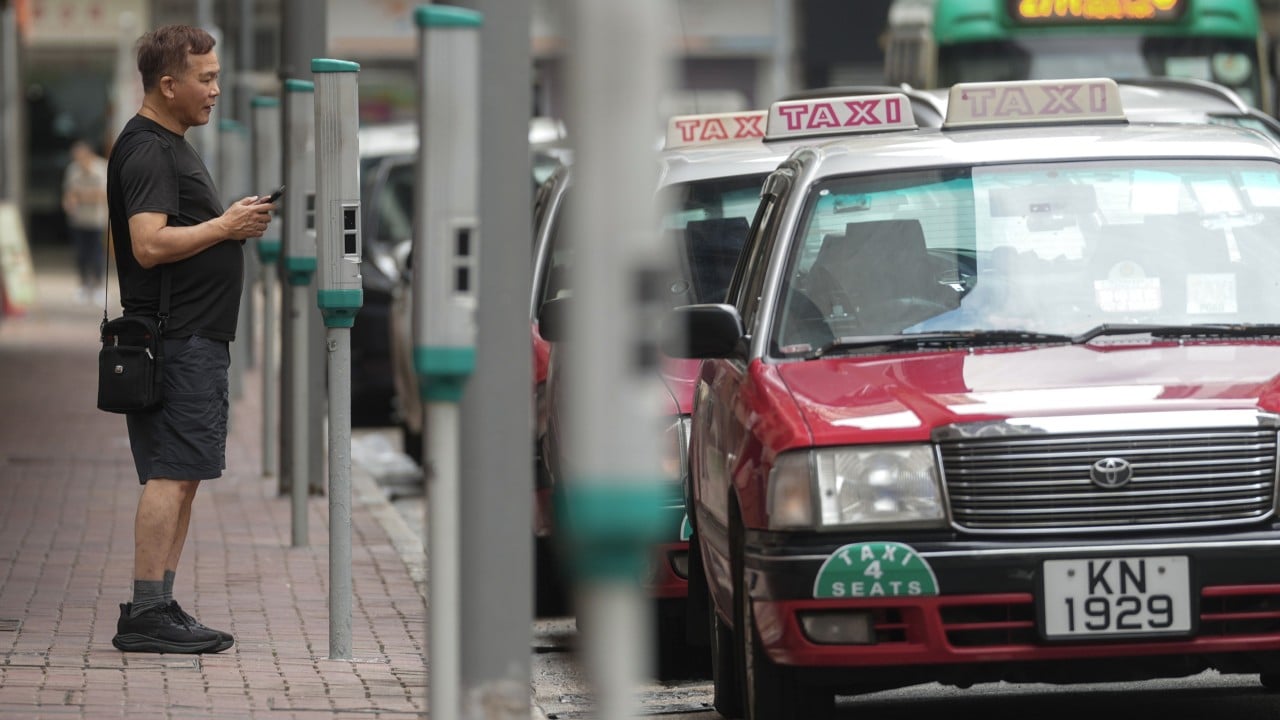
When roughly 11,000 smart parking meters across Hong Kong suddenly flatlined during a morning rush hour commute, it wasn't just a minor technical hiccup. It was a glaring reminder of how fragile urban infrastructure becomes when a single bad software update brings a metropolis to a halt. Commuters and drivers faced chaos, digital payment terminals failed, and the fallout sparked immediate calls from transport experts to hit operators where it hurts: their future tender scores.
The Anatomy of a Citywide Digital Blackout
The incident kicked off at roughly 8:20 AM when the Transport Department received urgent alerts from the network operator, Hong Kong Telecom. A routine morning software update triggered a catastrophic back-end fault, severing connections to meters spanning Kowloon City, Wan Chai, Yau Ma Tei, and beyond. Payment functions froze, screens went dark, and thousands of drivers found themselves unable to pay for legal roadside parking.
Authorities were quick to confirm that cyberattacks weren't to blame, ruling out external malicious interference. Instead, the root cause pointed inward—an internal deployment failure during software maintenance. While emergency patches restored full service by early afternoon, the damage to public trust and daily convenience had already been done.
Why Financial Refunds Alone Do Not Fix the System
The operator promised full refunds for transactions affected during the outage window, aiming to process repayments swiftly. Yet, refunds miss the larger point. When vital public infrastructure fails on this scale, a simple apology and a money-back guarantee don't undo the wasted time, blocked traffic flow, and stressful morning for thousands of motorists.
Worse still, the breakdown triggered secondary headaches with law enforcement. Drivers caught in the crossfire received fixed penalty tickets while meters were dead. Police had to scramble to suspend enforcement and set up manual review channels for motorists to contest unfair fines. When government agencies and police have to spend hours cleaning up after a private vendor's botched code update, accountability needs to go much deeper than standard customer service gestures.
Raising the Stakes for Government Contractors
Transportation experts have stepped up with a straightforward proposal: hit operators in future public tenders. Under current procurement frameworks, contract renewals and new bids often lean heavily on past performance metrics, but critics argue that penalties for massive service failures are too soft.
If a private vendor managing critical city infrastructure knocks out thousands of connected devices due to inadequate pre-deployment testing, that failure should carry heavy weight in upcoming bidding cycles. Tenders should deduct substantial scoring points for major outages. When contractors know that a botched software patch will directly cost them future business opportunities, quality control standards tend to improve overnight.
What Smart Cities Can Learn From the Chaos
Hong Kong’s parking meter blackout offers a stark lesson for any modern urban center relying on connected infrastructure. Cities are rushing to digitize everything from parking spaces to traffic grids, often favoring speed and convenience over rigorous stress-testing.
Robust staging environments and phased rollouts aren't optional luxuries when dealing with public utilities. If you push code updates live across an entire territory without a reliable fallback mechanism, failures are basically guaranteed. Vendors bidding for public contracts need to prove they have foolproof rollback strategies, not just slick sales pitches.
Public patience for infrastructure glitches is wearing thin. When tech fails, accountability shouldn't stop at temporary repairs and refunds. It's time to restructure tender evaluations so that operational reliability carries real consequences.