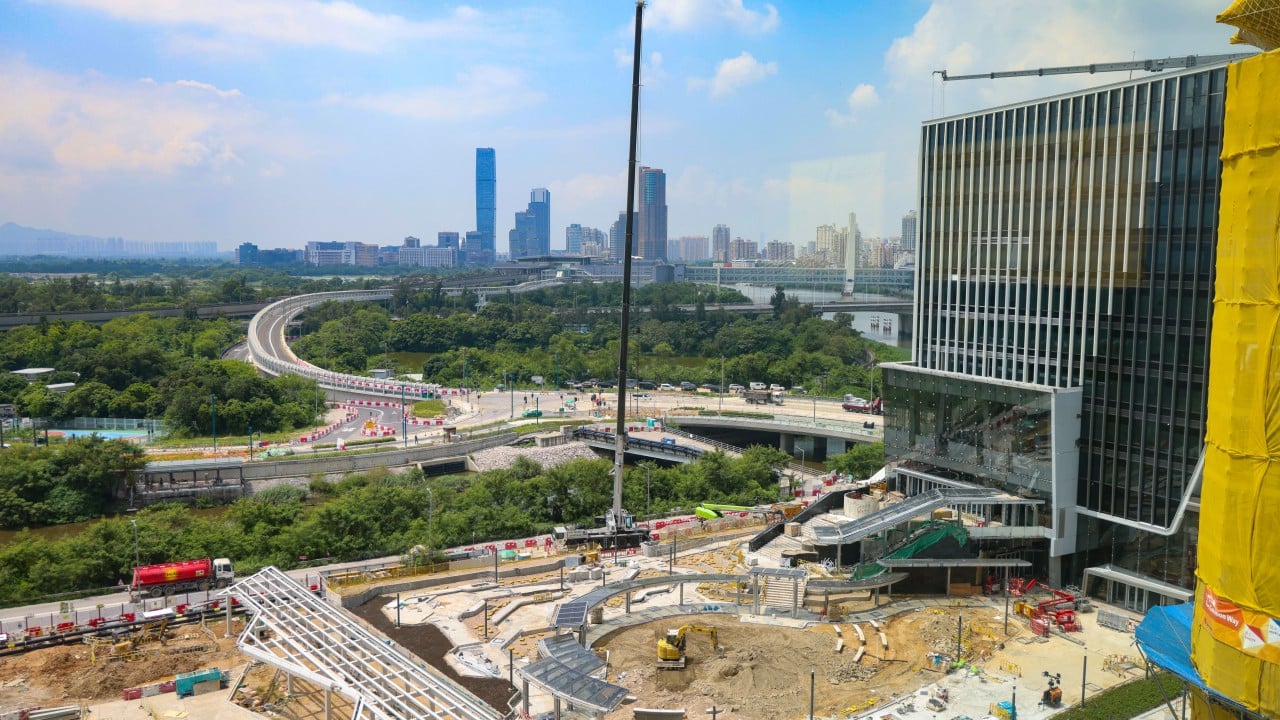
Worrying about commercial property gluts is basically a national sport in Hong Kong. Whenever a massive new land initiative hits the drawing board, skeptics immediately sound the alarm about plummeting rents, empty office towers, and oversupply. The massive Northern Metropolis megaproject is no exception. Critics keep claiming that flooding the market with new floor space will deal a fatal blow to an already struggling traditional core office sector.
Secretary for Development Bernadette Linn recently pushed back hard against those exact fears. She pointed out a fundamental detail that naysayers keep missing: the incoming commercial and office footprint in the northern mega-hub isn't designed to compete with Central or Kowloon West. Instead, it targets a completely different economic engine—innovation, technology, and cross-border industrial synergy. If you look closely at what is actually planned, the panic doesn't hold up.
The Real Purpose of Northern Metropolis Commercial Space
Let us look at how the region's economy actually functions. Traditional commercial hubs rely heavily on multinational financial firms, wealth management offices, and corporate legal practices paying eye-watering rents for sky-high views in Admiralty or Central. Those tenants need prestige addresses. They want to be a short elevator ride away from the stock exchange and major banks.
The Northern Metropolis occupies a totally different planet. Situated right at the boundary with Shenzhen, its primary objective is fueling innovation and technology (I&T) ecosystems, advanced manufacturing, and research partnerships. The commercial spaces slated for development there cater to hardware startups, biotech labs, robotics teams, and digital engineering enterprises. You cannot simply lump an I&T office block in San Tin or Hung Shui Kiu into the same asset class as a Grade-A skyscraper in Central. They serve entirely distinct business needs.
Examining the Office Market Reality
Hong Kong's office market has faced legitimate headwinds over recent years. High vacancy rates and cautious corporate spending have made landlords nervous. It is completely natural for property investors to twitch whenever they hear about millions of square meters of fresh commercial space coming down the pipeline.
Yet, looking at raw supply numbers without context creates a false alarm. Most of the commercial floor space in the northern region is tied directly to specialized industrial-technological clusters. Companies setting up shop there are looking for specialized lab setups, heavy-floor-loading manufacturing capacities, and massive floor plates that simply do not exist in traditional urban cores. They aren't stealing tenants away from core financial districts because traditional financial institutions have zero operational interest in moving their front-office trading floors to the border.
Furthermore, building up the frontier zone helps capture spillover demand that might otherwise leak entirely across the border into Shenzhen or other mainland tech hubs. By offering modern, purpose-built facilities locally, Hong Kong retains enterprises that require close operational links with both southern mainland manufacturing networks and international financial services.
What Developers and Investors Should Focus On Instead
If you are tracking local real estate trends, worrying about a generic office glut in the north is barking up the wrong tree. The real challenge isn't oversupply; it is execution speed and talent retention.
- Infrastructure Timelines: The viability of northern commercial hubs depends entirely on transit links. If cross-border railways and internal transport corridors lag behind building completions, tenants will hesitate to commit.
- Specialized Facility Design: Tech firms need specific infrastructure—reliable high-capacity power grids, advanced data connectivity, and flexible workshop-office hybrids. Generic box offices won't cut it.
- Cross-Border Synergy: Success relies on frictionless talent flow and regulatory alignment between Hong Kong and Shenzhen.
Dismissing the doomsayer narratives is easy when you examine the structural differences in the market. The Northern Metropolis isn't trying to replace Central. It is building an entirely new economic pillar from the ground up. Stop treating it like a threat to the old guard and start watching how it reshapes the region's technological future.