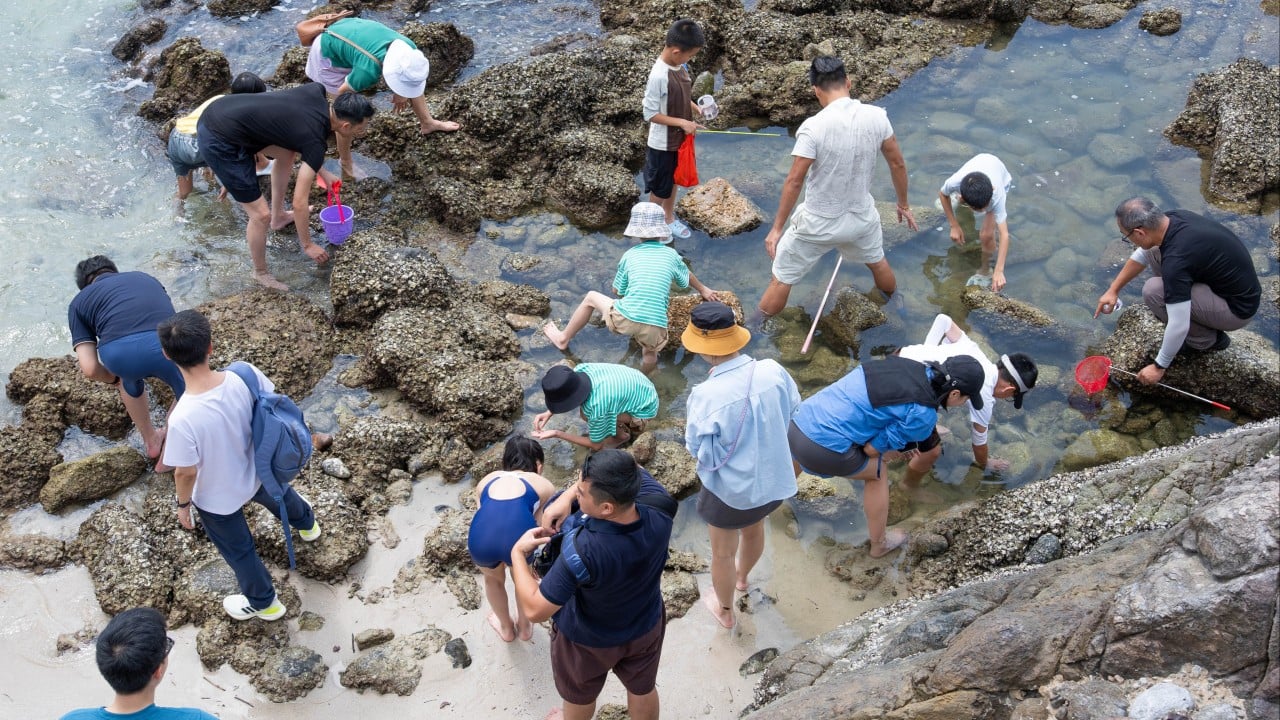
Mass tourism during major holiday rushes brings heavy environmental costs. When thousands of visitors flood fragile coastal pockets like Sai Kung's Sharp Island, the clash between foot traffic and vulnerable marine ecology turns destructive. Recent findings from environmental groups highlight how unchecked crowds during peak holiday breaks damage coral reefs and coastal organisms, sparking an urgent debate over visitor caps and stricter enforcement in the Hong Kong UNESCO Global Geopark.
If you head out to popular coastal spots during a long holiday, you expect scenic views and fresh air. What you don't expect is seeing fragile marine life trampled underfoot or delicate ecosystems degraded by sheer volume. Let's look at what's actually happening on the ground and why standard crowd control methods aren't cutting it anymore.
The Real Cost of Peak Holiday Crowds in Sai Kung
During recent holiday windows like Golden Week, visitor numbers surge past what local environments can safely handle. Thousands of travelers descend on islands famous for unique geological formations and shallow coral communities. While ecotourism sounds wonderful in theory, reality looks a bit messier when infrastructure lacks the muscle to manage massive human waves.
Greenpeace and other local green groups have flagged alarming behaviors. Visitors frequently dig up coastal organisms, drop litter, start unauthorized fires, and trample sensitive coral beds. Sharp Island, known for its iconic pineapple-textured rocks and vibrant marine biodiversity, bears the brunt of this foot traffic.
Coral reefs grow slowly. When hundreds of people walk over shallow waters or touch marine organisms, the damage takes years—sometimes decades—to reverse. It's not malicious intent from every single traveler; often, it's just a complete lack of awareness regarding how fragile these habitats truly are.
Why Current Regulations Fall Short
Authorities usually respond to holiday overcrowding by deploying extra patrols and issuing verbal warnings. On past peak days, the Agriculture, Fisheries and Conservation Department (AFCD) handed out hundreds of verbal warnings to visitors violating park rules.
While patrols help, they act as a band-aid on a chronic injury. Relying solely on officers to police thousands of wandering tourists across rugged island terrain doesn't stop the ecological wear and tear. When visitor counts exceed environmental carrying capacity by thousands, enforcement officers are simply outnumbered.
Environmental advocates argue that the government needs to shift from reactive patrols to proactive structural limits. This means establishing statutory protected zones, enforcing strict visitor caps, and potentially introducing booking systems or entry fees for sensitive ecological hotspots. Without a hard ceiling on daily visitors, natural assets degrade year after year.
Balancing Eco-Tourism With Ecological Preservation
Hong Kong features stunning natural landscapes right on the edge of a hyper-dense urban metropolis. That proximity is a massive asset, but it creates a vulnerability. Social media platforms amplify hidden gems overnight, drawing crowds that traditional country parks were never engineered to accommodate.
To preserve these sites, tourism strategies must evolve.
- Implement Carrying Capacity Limits: Parks need scientific caps on daily visitors based on ecological sensitivity.
- Improve Pre-Trip Education: Partner with cross-border digital platforms to educate travelers on "leave no trace" principles before they board transport.
- Strengthen Statutory Protections: Upgrade management levels for vulnerable zones to give authorities legal tools to fine or restrict access immediately.
Protecting natural heritage requires tough choices. If officials refuse to limit foot traffic during peak seasons, Hong Kong risks loving its most prized outdoor treasures to death.