One hundred and sixty-eight lives lost in a single residential blaze doesn't just shock a city. It rips the mask off how routine maintenance actually works when money, bureaucracy, and shortcuts collide.
Following the November 26, 2025 fire at Wang Fuk Court in Tai Po, Chief Executive John Lee has pushed for ongoing overhaul as the Housing Bureau rolls out the Public Housing Building Control Section to replace its former Independent Checking Unit. If you're wondering what actually changed, why the old watchdog failed, or whether new unit labels will keep residents safe, the short answer is straightforward. New oversight units only work if inspectors stop relying on good faith, break bid-rigging syndicates, and close the gaps between government departments.
Let's be honest. Creating a new office is the easy part of government reform. Making sure nobody cuts corners on scaffolding nets, foam boards, or tender bids three years from now is the real test.
Why Public Housing Maintenance Reform Became Urgent After Tai Po
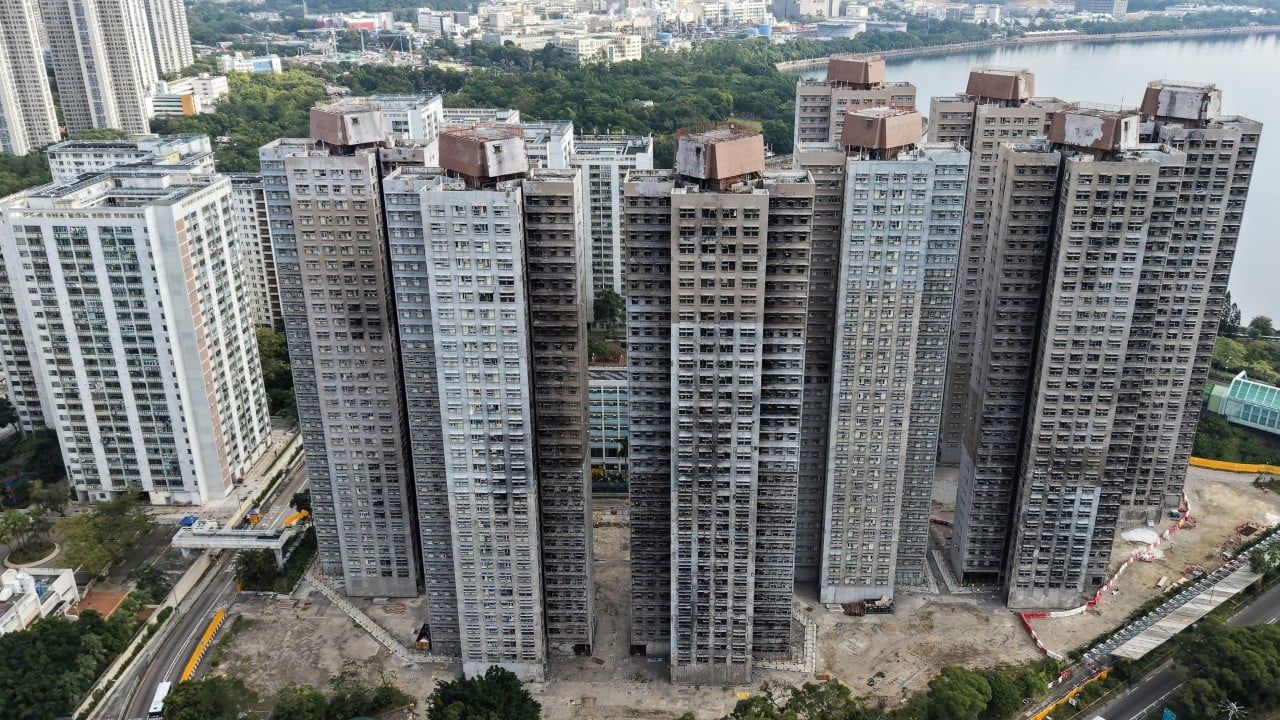
When the Wang Fuk Court fire broke out in Tai Po, residents weren't facing a freak act of nature alone. Eight residential blocks were undergoing major exterior wall repairs wrapped in bamboo scaffolding, netting, and tarps. Flammable expanded polystyrene foam boards covered windows, and dry windy conditions helped flames race upward and across blocks with horrifying speed.
For Hong Kong, it was the deadliest fire since 1948 and the first five-alarm blaze since 2008. Nearly 2,000 families had their lives upended, and former Housing Secretary Winnie Ho later resigned as political accountability followed the inquiry report released in late October 2026.
What makes the inquiry findings sting so much isn't just contractor greed—though alleged fraud, concealed litigation records, and questionable tender practices loom large in the investigation. It's that warnings and complaints risked falling into a vacuum when no single body owned the safety picture.
In my view, that vacuum is the real villain in high-rise renovation failures. When four government bodies touch a project—the Independent Checking Unit, the Buildings Department, the Fire Services Department, and the Labour Department—it's way too easy for each one to assume someone else checked the hazardous materials or fire barriers.
What the New Public Housing Building Control Section Changes
Replacing the Housing Bureau's Independent Checking Unit with the Public Housing Building Control Section isn't just a rebrand on an org chart. The new unit is designed to put dedicated project teams directly onto major works across subsidized estates and work closely with owners' corporations.
That shift matters for a very practical reason. High-rise maintenance isn't a neat one-off inspection. Materials arrive in phases, subcontractors swap out, and temporary fire hazards appear right in the middle of routine work.
A dedicated team with direct oversight of major works can spot red flags on site instead of rubber-stamping paperwork after the fact. Pair that with a central data system meant to pull together inspection and complaint records across departments, and you at least start connecting dots that used to sit in separate silos.
Still, I'm skeptical that structural charts alone fix human habits. You can hire project teams and launch databases, yet still run into trouble if field officers treat compliance as a box-ticking exercise.
Bid-Rigging and Regulatory Blind Spots Nobody Can Ignore
If you ask why building repairs go sideways in the first place, look at the money. Major estate renovations involve massive sums, which turns them into prime targets for bid-rigging syndicates, intimidation, and collusion among unscrupulous contractors, consultants, and intermediaries.
When syndicates rig tenders, two bad things happen right away. First, homeowners and estates get saddled with inflated contracts or compromised partners. Second, corners get cut on materials and safety controls to protect margins.
The inquiry also pointed out a hard truth about regulation itself. Regulators cannot simply trust the good faith of the companies they oversee when obvious fire hazards are sitting in plain sight.
Where the Old System Left Gaps
- Fragmented ownership: Residents raising safety concerns could run into unclear lines of responsibility across different departments.
- Over-reliance on self-regulation: Assuming professionals and contractors will follow rules without tough audits and spot-checks invites shortcuts.
- Tender vulnerabilities: Owners' corporations without impartial, accessible technical guidance are easy marks for manipulative bidding tactics.
How Legal and Enforcement Pressure Is Shifting
Authorities haven't limited their response to housing administration. Sweeping anti-bid-rigging enforcement sweeps have targeted alleged fraud and bribery in maintenance contracts, while work is underway on joint statutory amendments covering competition, organized crime, and anti-corruption laws.
Meanwhile, a steering committee chaired by Chief Secretary for Administration Eric Chan Kwok-ki has been tracking priority recommendations from the Independent Committee's roughly 120-point reform roadmap. You can find official updates on the inquiry and reform rollout through the Hong Kong Government Press Releases portal and the Independent Committee on the Wang Fuk Court Fire site.
That combination—criminal enforcement plus statutory tweaks—is essential. Administrative memos don't scare off organized syndicates. Real legal risk and tighter market rules do.
Common Misconceptions About High-Rise Maintenance Reform
People tend to view building safety through two extremes. Either they think a new government unit solves everything overnight, or they assume nothing will ever change.
Neither view is quite right.
First, a new regulatory unit doesn't eliminate risk on day one. Reforming a scheme like the Mandatory Building Inspection Scheme—introduced back in 2012—takes time to translate into daily site discipline, clear contractor accountability, and sharper spot-checks.
Second, government enforcement isn't a substitute for informed building management. Owners' corporations and residents deal with complex technical specs, contractor bids, and safety notices that look like alphabet soup without independent advice.
Third, political apologies aren't the finish line. Grieving families and displaced residents have made it clear that stepping down or issuing statements doesn't undo lost lives or delayed justice in ongoing legal cases. Real credibility comes from sustained execution years after the headlines cool down.
Practical Next Steps for Residents, Committees, and Policymakers
Whether you live in a high-rise undergoing repairs, sit on a building management committee, or follow urban policy, waiting passively for systems to fix themselves is a mistake.
- Audit active and upcoming renovation plans early. If your building is planning facade work, scaffolding, or fire-system upgrades, ask for clear documentation on fire-retardant material standards, work schedules, and contractor track records before approving contracts.
- Insist on transparent tender and consultant checks. Don't rely solely on a single bidder's assurances. Push for impartial technical advice, open record-keeping, and clear conflict-of-interest disclosures during tender evaluations.
- Document safety hazards immediately and escalate across channels. If you spot blocked exits, combustible debris, or questionable temporary coverings near active works, log photos and dates, notify building management in writing, and report hazards to the relevant enforcement authorities so concerns don't get lost.
- Track milestone delivery, not just announcements. Watch whether steering committee priorities, statutory amendments, and central inspection databases actually reach frontline site inspections and estate-level support.
Safe housing isn't built on slogans after a disaster. It's built every single day when ordinary people, honest professionals, and tough inspectors refuse to look the other way.
Hong Kong's Tai Po fire: Chief Exec John Lee apologises, announces housing secretary resignation
This clip captures the official accountability moment and the scale of the Tai Po fire response that prompted these maintenance oversight reforms.