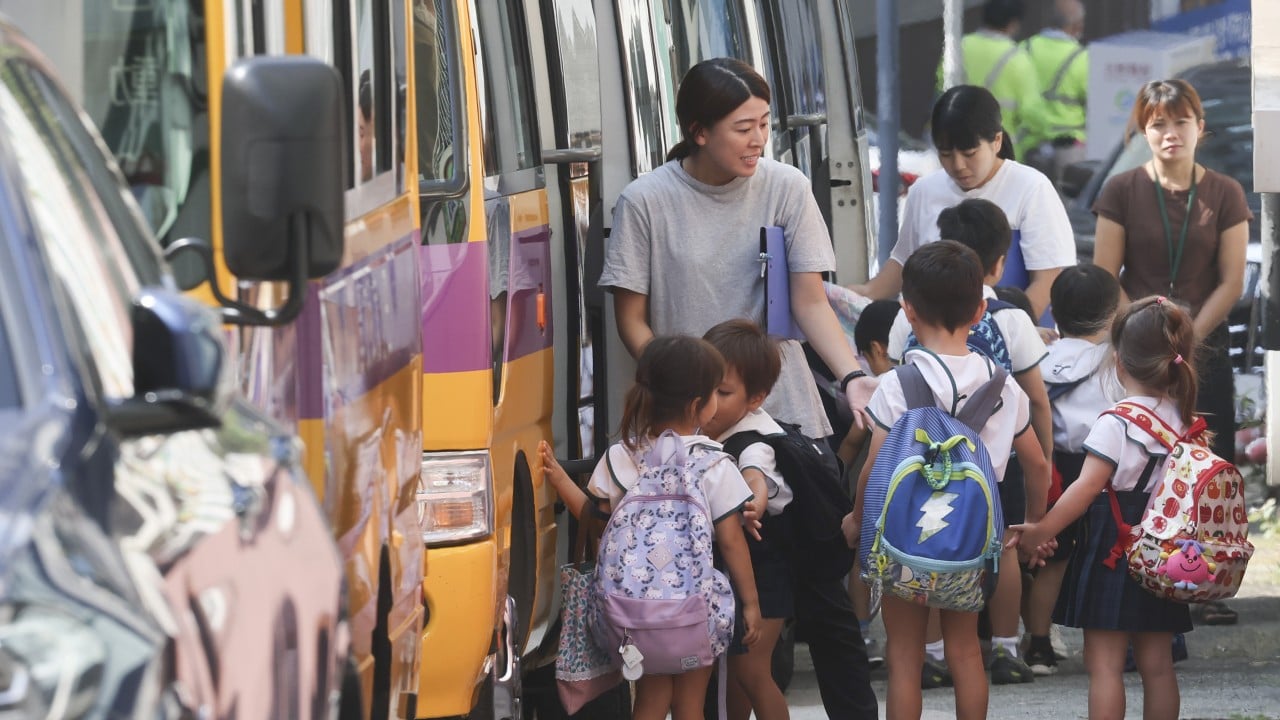
Empty classrooms and locked playground gates are becoming the new normal across Hong Kong. The city recently lost a record 40 kindergartens in a single sweep, bringing the total count down to 930. This isn't just a minor administrative adjustment. It’s the visible, undeniable fallout of a demographic freefall that's reshaping the entire territory.
If you look past the official press releases, the core issue is simple: the math no longer works for young families. Hong Kong’s birth rate has cratered, and women are delaying motherhood later than ever before.
The Shrinking Classroom Crisis
Walk into many neighborhood preschools today, and you'll find rows of tiny chairs sitting completely empty. Kindergarten operators are facing an impossible financial squeeze. With fewer toddlers walking through the doors, tuition revenues drop while overhead costs for rent and staff keep climbing.
The numbers tell a brutal story. Registered childbirths hit a dismal low of 31,714, wiping out any temporary bumps from previous years. When you combine this plunging fertility rate with an older average age for first-time mothers, the pipeline for early childhood education dries up completely.
Primary and preschool enrollments have dropped by roughly ten percent over recent cycles. School administrators aren't just cutting back on extracurricular activities—they're handing over keys and shutting down operations entirely.
Why Young Couples Are Waiting or Skipping Kids
You can't talk about Hong Kong's baby bust without looking at the extreme pressures of daily life here. It's expensive, intensely competitive, and frankly exhausting.
- Astronomical Housing Costs: Renting or buying an apartment big enough for a growing family requires a massive financial commitment. Many young professionals live in tiny spaces where adding a crib feels practically impossible.
- Career and Cultural Shifts: Women are prioritizing education and career milestones. The average age of first-time mothers has climbed to a record high. By the time many women feel financially stable enough to consider starting a family, biological clocks and physical exhaustion get in the way.
- The Education Pressure Cooker: Raising a child in Hong Kong means navigating a notoriously cutthroat school system. Parents worry endlessly about cram schools, tutorial fees, and academic stress from day one.
Financial incentives and cash handouts from the government haven't moved the needle. When the baseline cost of living eats up most of a dual-income salary, a one-off bonus doesn't convince anyone to take the plunge.
What This Means for the Future
The closure of 40 kindergartens is just the first domino. As these smaller cohorts age up, primary schools will face the exact same wave of closures, followed quickly by secondary schools and universities.
Cities across East Asia are watching this unfold with deep anxiety. From Seoul to Taipei, hyper-urbanized regions are struggling against the exact same demographic gravity. Traditional safety nets and standard economic policies aren't fixing the problem because the hesitation to have children is deeply cultural and structural.
Fixing this won't happen overnight. Until the city addresses housing affordability, work-life balance, and the crushing anxiety of the local education rat race, those empty kindergarten gates are going to stay locked.