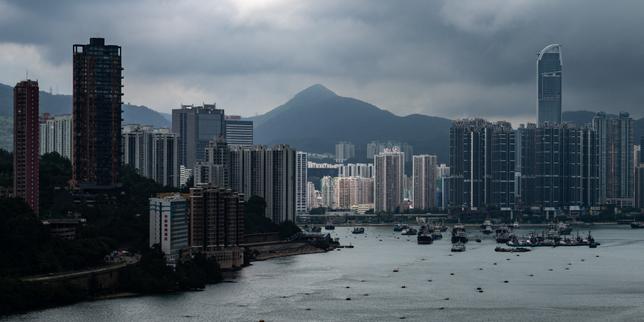
For decades, everyone treated Hong Kong and Singapore as locked in a permanent, winner-take-all cage match for financial supremacy in Asia. Analysts constantly measured tax codes, talent inflows, and corporate headquarters relocations between the two city-states. But that rivalry misses the point entirely. Hong Kong isn't just trying to beat Singapore anymore. It is pivoting toward an entirely different playbook, setting its sights on becoming the ultimate Mediterranean-style playground and yachting capital of the East. Think Monaco, but on the shores of the South China Sea.
This shift isn't just about corporate banking towers or stock market listings. It’s about ultra-high-net-worth lifestyles, private wealth preservation, and high-end maritime leisure. As Hong Kong solidifies its position as a global leader in cross-border wealth management—surpassing traditional offshore hubs and hosting over 2,700 single family offices—the city is actively courting the billionaire yachting set. The government has pushed hard to expand marine infrastructure, upgrade berths, and simplify regulations for superyachts coming into Victoria Harbour. If you found value in this article, you might want to read: this related article.
If you look at how wealth has evolved in the territory, the Monaco comparison makes complete sense. Hong Kong already boasts one of the highest concentrations of ultra-wealthy residents per capita in the world. Yet, historically, its millionaires and billionaires stored their leisure assets elsewhere, or kept a low profile regarding extravagant maritime hobbies. That culture is changing rapidly. Local authorities realize that modern billionaires don't just want a corporate tax exemption; they want a lifestyle ecosystem. They want private berths, luxury social clubs, high-end art auctions, and seamless access to coastal cruising grounds.
Of course, matching Monaco takes more than just adding dock space for mega-yachts. Monaco's appeal relies on a tight, secure geographic footprint where luxury is concentrated within a few square kilometers. Hong Kong has the density and the glitz, but it operates within a vastly different geopolitical and regulatory framework. Navigating local bureaucracy while trying to build an upscale maritime culture requires serious execution. Officials have introduced targeted tax concessions and streamlined family office incentives to keep capital sticky, but transforming a hyper-dense financial powerhouse into a glamorous Riviera lifestyle hub requires private capital to buy into the vision. For another angle on this story, see the latest coverage from Forbes.
The real test will be whether international yacht owners actually choose Victoria Harbour over established regional anchorages in Thailand or the Philippines. Hong Kong's maritime department has streamlined temporary entry permits and improved maintenance facilities, but cruising regulations and regional waters remain heavily congested. Still, the underlying momentum is real. When financial dominance meets aggressive lifestyle branding, cities change fast. Hong Kong is betting big that the future of Asian wealth isn't just about where you park your money, but where you park your yacht.