Hong Kong's Urban Renewal Authority just posted an operating surplus of HK$338 million, breaking a punishing three-year streak of red ink. If you've been watching the city's volatile property market, you know how heavy that burden has been.
For a statutory body tasked with clearing out decades-old slums and rebuilding aging districts, financial viability isn't just about accounting. It dictates whether thousands of families get modern homes or stay trapped in crumbling tenements.
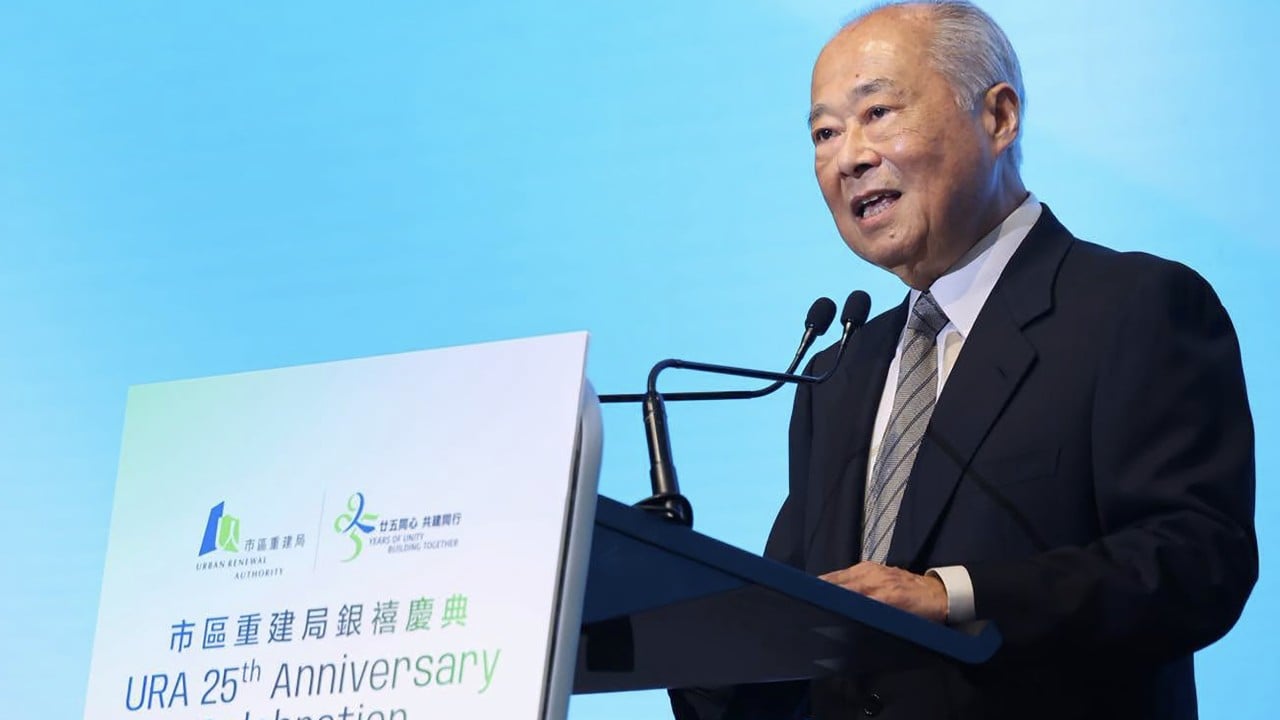
Chairman Chow Chung-kong announced the turnaround numbers during the authority's silver jubilee celebrations. After years of watching land values tank and property tenders fall flat, the organization managed to stabilize its operations through tighter resource management and flexible commercial strategies.
Why the Recovery Matters Right Now
Let's be clear about what happened. The URA didn't bounce back because the local property market suddenly returned to its historic peak. Far from it. High interest rates, cautious developers, and lower-than-expected bids hammered the statutory body's balance sheet through 2022, 2023, and 2024.
During those lean years, the agency suffered massive net deficits running into billions. They bought properties at peak market prices during the bullish run, only to watch land values drop when it came time to tender projects out to developers. That classic "buy high, sell low" trap crippled several major redevelopment schemes.
Securing a HK$338 million operating surplus for the 2025/26 fiscal year signals that the worst of the bleeding has stopped. It proves that internal adjustments—such as tweaking commercial ratios on massive undertakings like the Kwun Tong Town Centre project—actually work. By stripping away rigid project requirements and giving developers more breathing room, the authority managed to reignite market interest.
The Real Cost of Fixing Old Neighborhoods
Urban renewal in a densely packed city like Hong Kong is messy work. You're dealing with thousands of aging buildings, many of which lack basic maintenance frameworks or active owners' corporations.
When property prices drop, the URA absorbs the immediate financial shock. Critics often forget that the authority functions as a public buffer. It steps in where private developers fear to tread because the profit margins simply don't make sense on paper.
Chief Executive John Lee recently acknowledged these structural difficulties while pointing toward government reviews of the authority's overall operational and financial models. Officials are actively looking at acquisition policies and new land initiatives to boost market incentives. Without these adjustments, any statutory body tasked with large-scale renewal will eventually hit a financial wall.
What Lies Ahead for City Redevelopment
Turning a profit for a single fiscal year doesn't mean the structural problems have vanished. Aging buildings are multiplying faster than the bulldozers can clear them.
The URA faces immense pressure to speed up its work without compromising local cultural heritage. Moving forward, leadership plans to roll out enhanced tender support services to help private property owners navigate the nightmare of hiring engineering consultants and building contractors.
If you own property in older districts like Kowloon City or Sham Shui Po, these shifts matter. The focus is shifting away from pure, high-stakes commercial mega-projects toward more sustainable rehabilitation and targeted redevelopment models.
The numbers look better today than they did twelve months ago. But keeping this momentum alive will require creative governance, not just a temporary bounce in property sentiment.
Take a close look at how your local district handles building rehabilitation grants and upcoming urban plans if you want to stay ahead of the next wave of neighborhood changes.