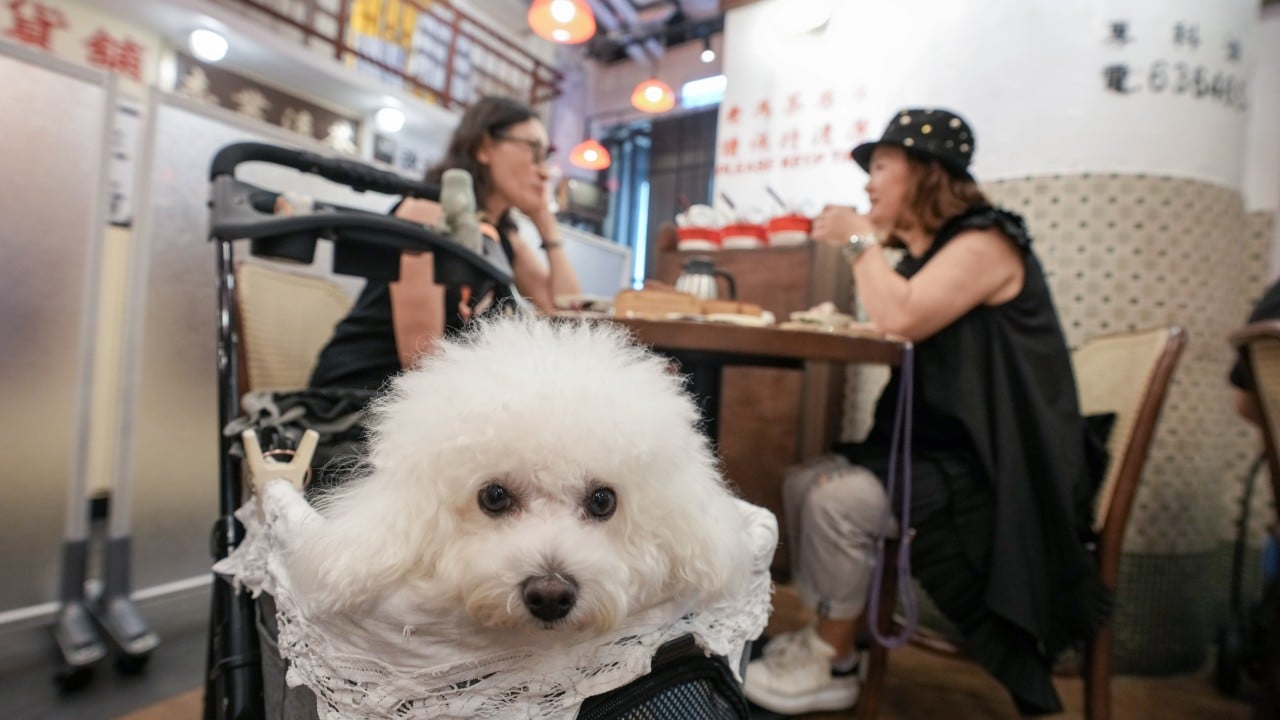
It took thirty-two years for Hong Kong to finally open its restaurant doors to dogs. But less than a week after the historic lifting of the 1994 rabies-era ban, the city's brand-new pet-friendly dining scheme is facing a chaotic reality check. Honestly, it isn't hard to see why.
You have probably seen the videos circulating on social media. Poodles sitting directly on dining chairs. Golden retrievers with their paws on tables. Most notoriously, a viral clip of a dog licking clean a plate meant for human diners. In a city with a hyper-sensitive relationship with public hygiene, these images did not just ruffle feathers. They triggered immediate, fierce public outrage.
The dream of a relaxed "pet economy" where owners and their furry companions eat side-by-side inside air-conditioned eateries has quickly collided with the cramped, fast-paced reality of Hong Kong’s dining culture. What was supposed to be a win for businesses and animal lovers has turned into a heated turf war.
The Thirty-Two-Year Wait and the July Ninth Reality Check
On July 9, 2026, the Food and Environmental Hygiene Department (FEHD) officially approved about 940 restaurants to allow dogs on their premises. It was a monumental shift. For over three decades, bringing a dog inside a local eatery was strictly illegal. It was a rule designed to prevent rabies and maintain hygiene in one of the most densely populated places on earth.
The policy shift was designed to help the local food and beverage sector. Restaurants have been struggling as residents flock to mainland China for weekend trips. The government hoped a pet-friendly push would encourage big spending at home. Many pet owners were ecstatic. They envisioned a lifestyle mirroring European cafe culture, with dogs lounging peacefully under tables while their owners sipped coffee.
But Hong Kong is not Paris.
Our restaurants are small. Space is a luxury. In a typical local eatery, tables are squeezed together, and a diner’s back is often touching the chair of the person behind them. Introducing excited, untrained, or poorly managed dogs into these tight quarters was always going to be a gamble. Within days, the excitement soured into a wave of complaints.
When Table Manners Go to the Dogs
The core of the problem is not the dogs. It is the owners.
Hong Kong's pet-friendly scheme was launched with clear regulations, but some pet owners treated the policy as a free-for-all. The viral videos showing dogs occupying chairs and licking restaurant plates represent a fundamental misunderstanding of public dining etiquette.
Most local diners do not hate animals. They just do not want dog saliva on the plate they are about to eat from. Even if a restaurant washes its dishes thoroughly, the visual of a dog eating off human tableware is enough to turn any diner's stomach.
These incidents have highlighted a major cultural divide. On one side are the doting pet parents who treat their animals like human children and expect everyone else to do the same. On the other side are everyday diners who view dogs as a potential hygiene hazard and want to enjoy their meals in peace.
This tension is amplified by Hong Kong’s history with infectious diseases. Public health anxiety runs deep here. When people see restaurant staff ignoring clear hygiene breaches to avoid confronting paying pet owners, trust in the scheme collapses.
The Early Casualties of the Pet Economy
The backlash was swift, and the policy is already losing participants.
Just days after the scheme launched, a branch of Cafe 100% in the Kam Ying Court Shopping Centre in Ma On Shan pulled out of the program entirely. The restaurant had initially joined the dog-friendly list, but front-line staff quickly found themselves caught in the middle of a war between pro-pet and anti-pet customers. Citing safety concerns and intense customer pressure, the branch chose to abandon the license and restore its dog ban.
Other restaurants are quietly following suit or reconsidering their participation. Restaurant owners are finding that the extra business from dog owners does not always offset the loss of regular diners who refuse to eat next to barking or shedding animals.
In the first week alone, the FEHD received roughly twenty formal complaints related to the scheme. While the government's hygiene chief downplayed these complaints as minor issues concerning leash lengths or seating arrangements, the reality on the ground is far more tense. Front-line waitstaff are not trained to act as pet police. Expecting a busy waiter to enforce leash lengths and stop dogs from jumping on chairs while balancing hot trays of food is completely unrealistic.
The Hidden Insurance Nightmare
If you think a ruined dinner is the worst-case scenario, think again. The legal and financial implications of this policy are a mess.
On July 15, 2026, the Consumer Council stepped in with a serious warning for pet owners. They urged dog owners to look very closely at the fine print of their pet insurance policies.
If your dog bites another diner, knocks over a hot pot of soup, or causes a fight with another dog inside a crowded restaurant, you might assume your third-party liability insurance will cover it. Think again.
The Consumer Council reviewed plans from seven different insurance providers and found major gaps. Most policies exclude coverage for incidents involving:
- Nuisance and noise: If your dog's barking causes a scene or ruins a business meeting, you are on your own.
- Fright: If a diner trips and injures themselves because they were startled by your dog, the policy likely won't cover the medical bills.
- Non-accidental disputes: If you get into a verbal or physical altercation with another diner over your dog's behavior, your insurance is void.
- A history of aggression: If your dog has ever snapped at another animal or human in the past, any incident in a restaurant will be entirely your financial responsibility.
In short, restaurant dining introduces dozens of unpredictable variables. If your dog reacts poorly to a sudden loud noise from a kitchen or a running child, you could easily face a massive lawsuit without any insurance safety net.
Actionable Steps to Save the Dining Scheme
We cannot let a few bad owners ruin a policy that took thirty-two years to achieve. If Hong Kong wants a successful pet economy, we need a massive shift in how this scheme is managed. Here is what needs to happen immediately.
What Restaurant Operators Must Do
- Establish strict "Dogs on Floor Only" rules: Restaurants must post clear, prominent signs at the entrance stating that dogs are absolutely forbidden from sitting on chairs, booths, or tables.
- Create dedicated, physical pet zones: Do not mix pet tables and regular tables side-by-side. If space permits, partition a specific corner of the restaurant for diners with dogs.
- Provide designated pet bowls: Never allow dogs to drink from human glasses or eat from restaurant plates. Restaurants should keep a stash of easily identifiable, brightly colored silicone bowls specifically for pets, and wash them in separate facilities.
- Empower front-line staff: Managers must back up their waitstaff when they ask a customer to control their animal or leave. No single meal ticket is worth a sanitation fine or a lawsuit.
What Pet Owners Must Do
- Bring your own gear: Do not rely on the restaurant. Carry a portable water bowl, a small mat for your dog to lie on, and sanitizing wipes to clean up any messes.
- Use the "under-the-table" rule: If your dog cannot sit quietly under your table or between your legs on a short leash, they are not ready for indoor dining. Keep them at home or stick to outdoor parks.
- Know your dog's limits: A crowded, noisy cha chaan teng is a stressful environment. If your dog is anxious, reactive, or prone to barking, forcing them into a restaurant is not a treat—it is a trigger.
- Document everything: If an incident does happen, follow the Consumer Council’s advice. Immediately take photos of the scene, note down any safety precautions you took, look for nearby security cameras, and get contact details from any witnesses.
What Regulators Must Do
- Introduce a tiered licensing system: Instead of a blanket license, the FEHD should vet restaurants more thoroughly. Smaller venues with high-density seating should face stricter guidelines than spacious Western-style cafes with outdoor patios.
- Mandate basic training certifications: Perhaps it is time to look at a "Good Citizen" certification for dogs. Restaurants could choose to only admit dogs that have passed a basic behavior and socialization test, ensuring that only well-mannered pets enter indoor dining spaces.