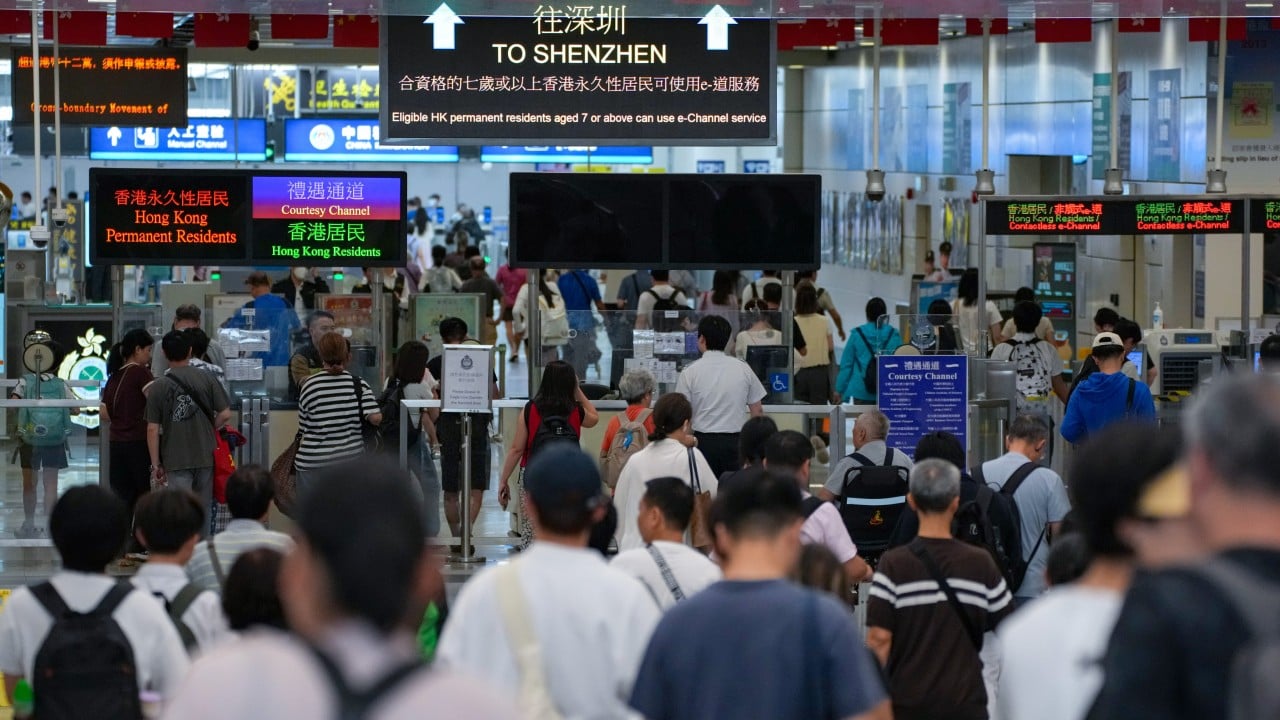
Every weekend, high-speed trains from West Kowloon and border checkpoints at Futian and Luohu overflow with Hong Kong residents heading north into Shenzhen. They aren't just visiting family or taking quick sightseeing trips. They're going on massive retail and dining runs.
Data from payment giant UnionPay International shows that offline card transactions by Hong Kong residents in mainland China surged nearly 30% year-over-year in the first half of 2026. Digital payments and online transactions grew even faster. The numbers confirm what anyone living in Hong Kong already sees every Saturday morning: local consumers are taking their disposable income across the border, and they're doing it in record numbers.
This isn't a temporary trend or a post-holiday spike. It represents a fundamental shift in how people in the Greater Bay Area shop, eat, and spend their free time.
The Real Drivers Behind the Northbound Spending Rush
Why are people choosing to spend their weekends in Shenzhen rather than Causey Bay or Tsim Sha Tsui?
It comes down to simple math and service quality.
1. The Value Gap Is Too Large to Ignore
The cost of living in Hong Kong has remained stubbornly high, while prices across the border offer stark contrast. A dinner that costs HK$800 in Central often costs a third of that price in Shenzhen, frequently with larger portions, newer decor, and more attentive service.
It isn't just about cheap eats either. Hong Kong shoppers are purchasing everything across the border:
- Everyday groceries and bulk household supplies at warehouse clubs like Sam's Club and Costco.
- Dental care, routine health checks, and beauty treatments.
- Automotive servicing, detailing, and repairs.
- Craft beverages, bakery items, and specialized dining concepts.
When family budgets get tight, paying half price for the same or better quality isn't just appealing—it's practical.
2. Frictionless Digital Payments and Travel Infrastructure
A decade ago, spending money in mainland China required physical cash, local bank accounts, or complicated payment setups. Today, cross-border payments work almost everywhere. UnionPay, AlipayHK, and WeChat Pay HK allow users to scan and pay directly from their Hong Kong dollar accounts without handling foreign currency exchange manually.
Transport links have reached critical mass too. High-speed rail connections, expanded bus routes, and streamlined customs clearance mean a resident in Shatin or Kwun Tong can reach a major Shenzhen shopping center in under an hour.
What This Spending Shift Means for Hong Kong's Domestic Market
While cross-border spending benefits consumers, it creates real pressure on Hong Kong's homegrown retail and food sector.
Neighborhood restaurants, independent boutique shops, and traditional merchants are feeling the absence of weekend foot traffic. When tens of thousands of residents spend their weekend budgets elsewhere, local businesses face lower sales while continuing to pay some of the highest commercial rents in the world.
Property developers and shop owners face a clear choice:
- Adjust commercial rent expectations: High retail rents were built on the assumption of captive local demand. That captive audience no longer exists in the same way.
- Rethink customer experience: Hong Kong businesses can't rely solely on convenience. They need to offer distinct experiences, specialized products, or high-value services that can't easily be replicated across the border.
The Takeaway for Businesses and Consumers
The integration of the Greater Bay Area is no longer just a economic policy point on paper. It's a daily operational reality driven by consumer choices.
For consumers, cross-border access offers greater choice and lower living expenses. For local businesses, competing in this environment requires pivoting away from overpriced basics toward unique value, better customer care, and modernized operations.
If you operate a consumer business in Hong Kong, tracking these spending patterns is essential. Evaluate your pricing models, focus heavily on service differentiation, and adapt to a customer base that now evaluates options on both sides of the border.