Natural disasters rarely leave room for clean goodbyes. When catastrophic flash floods tear through communities, the physical destruction usually steals the headlines, but the quiet, agonizing psychological aftermath lingers for generations. Families are left standing at muddy riverbanks, staring at churning water, waiting for answers that never arrive.
Look at what happened in the Bogati Tar village of Betrawati, Nepal. Two brothers, Kedar Prasad Acharya and Madhusudan Acharya, walked down to the riverbank on an ordinary morning to cut grass for cattle. They never came back. Nine agonizing days passed without a single trace, forcing their family to accept a heartbreaking reality: waiting for a body that the river might never release.
The Pain of Closure Without a Corpse
Hindu death rituals demand physical closure. You need a body, a cremation pyre, and specific rites to guide a soul onward. But what happens when the river takes everything and leaves nothing behind?
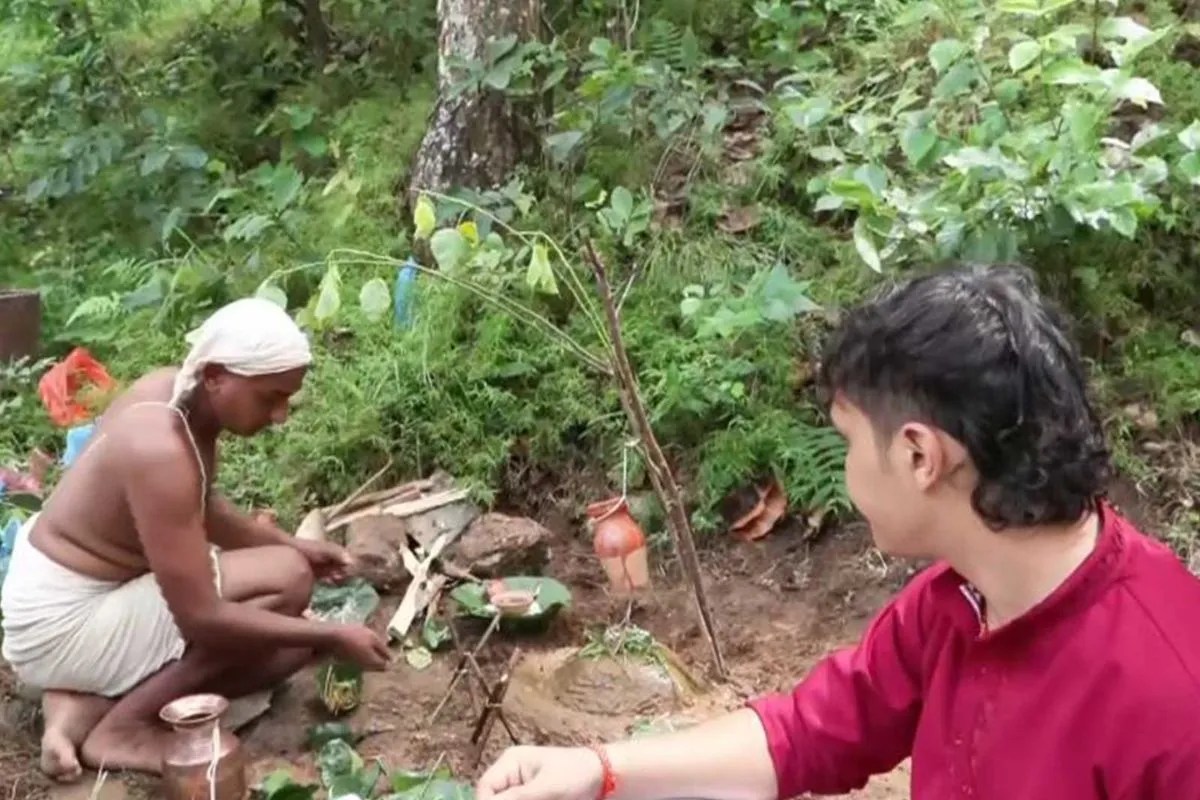
The Acharya family faced this impossible dilemma. After nine days of fruitless searching by local authorities and frantic relatives, hope officially died. With no physical remains to cremate, the family turned to ancient custom, performing rituals using kush grass as a symbolic stand-in for the missing brothers. Mundan ceremonies, pind dan, and Shraddha rites began in the absence of a casket.
This isn't an isolated tragedy. It is the grim everyday reality playing out across Nepal as families confront a staggering humanitarian toll.
Understanding the Scale of Destruction
The numbers coming out of the National Disaster Risk Reduction and Management Authority paint a horrifying picture. Over one thousand people have lost their lives in these catastrophic floods, while thousands more remain unaccounted for.
Districts like Chitwan, Nawalparasi East, Nawalparasi West, and Nuwakot turned into disaster zones almost overnight. Search and rescue teams face monumental hurdles. Mudslides block mountain passes, swollen rivers sweep away infrastructure, and countless recovered bodies remain unidentified because traditional markers are completely washed away. Out of hundreds of recovered victims, only a tiny fraction have been officially identified and returned to grieving relatives.
Why Disasters Hit Rural Livelihoods Hardest
Natural catastrophes in regions like the Himalayas expose deep vulnerabilities. People living near river valleys rely entirely on immediate geography for survival. Gathering fodder, farming fertile riverbanks, and tending livestock form the backbone of daily existence.
When a flash flood hits, victims don't have hours to evacuate. They have minutes, sometimes seconds. Two brothers looking for cattle feed didn't ignore a warning sign; they were simply caught in a sudden, violent shift of nature that offered zero margin for error.
Accepting that a loved one is gone without a physical marker breaks something fundamental inside a community. Yet, rituals like the ones in Betrawati serve a vital human purpose. They provide a psychological anchor when reality feels completely unmoored.
The floodwaters will eventually recede, and the mud will dry, but the empty spaces left at dinner tables across Nepal will remain permanent. True resilience isn't just about rebuilding washed-out bridges or power substations. It's about finding a way to live with the ghosts of a tragedy that refused to leave anything behind.