Don't buy the headlines about the Middle East ceasefire saving the summer travel season. It's a illusion.
While diplomats toast to a temporary 60-day pause in the conflict between the United States and Iran, the global aviation industry remains completely stuck in the mud. The Strait of Hormuz might be technically "open" again, but the damage to the global jet fuel supply chain is already done. If you're planning to fly this summer, expect eye-watering ticket prices, sudden cancellations, and longer routes.
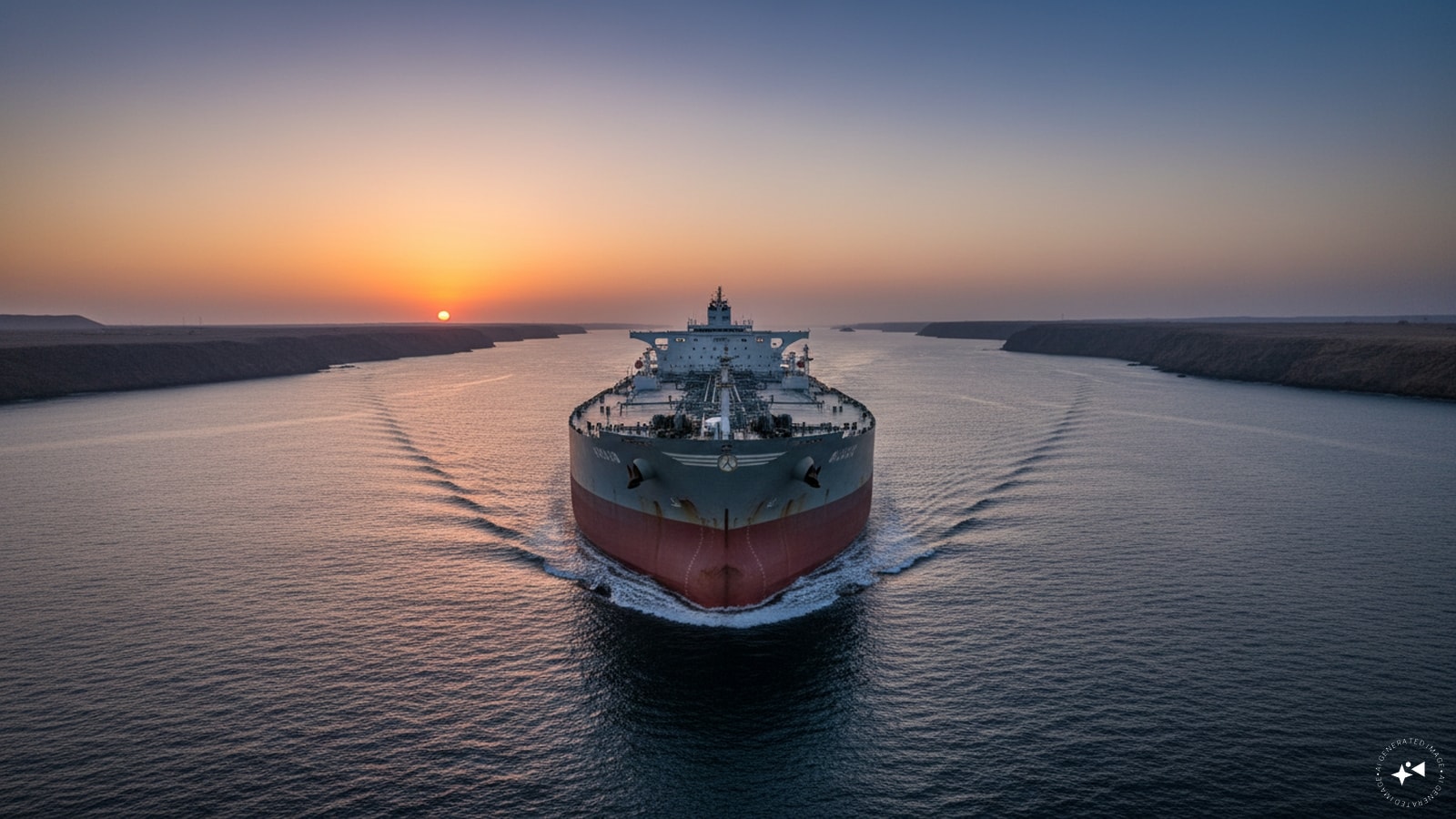
The aviation industry entered 2026 riding an all-time high. Profits were breaking records. Then the geopolitical floor fell out in February. Coordinated airstrikes on Iranian facilities triggered an immediate retaliatory chokehold on the Strait of Hormuz. Twenty percent of the world's petroleum supply vanished overnight from the global market. For container ships, it meant a long detour around Africa. For commercial airlines, it triggered an immediate, systemic energy shock.
Jet fuel prices didn't just crawl upward. They doubled. They blew past the 50% spike seen in raw crude oil, exposing a terrifying vulnerability in how modern commercial aviation actually works.
The problem isn't just about expensive oil. It's a deep crisis of physical refinement and location.
The Physical Refinery Wall
Most people think airlines simply buy crude oil. They don't. They buy highly refined kerosene, and the global infrastructure for turning crude into jet fuel is concentrated heavily in the Middle East and Asia.
Airports don't keep massive stockpiles of jet fuel on hand. The stuff has a surprisingly short shelf life. It degrades, absorbs water, and gets contaminated easily. Major international hubs operate on a rolling, just-in-time delivery schedule. When the Iranian Revolutionary Guard Corps restricted shipping and laid mines across the central transit corridor of the strait, that rolling supply chain shattered.
Western Europe and parts of Asia are bearing the brunt of this structural failure.
Look at Europe's position. Ever since the outbreak of the Ukraine conflict in 2022, European nations systematically shifted their energy dependencies away from Russian pipelines and toward Middle Eastern suppliers. It was a logical geopolitical move at the time. Now, it looks like a trap. The UK relies on the Middle East for more than half of its total jet fuel supply, with a staggering 25% coming from Kuwait alone.
You can't replace millions of barrels of specialized aviation fuel by clicking a button.
International Air Transport Association officials have openly stated that getting alternative refineries online will take months. Refineries in India and Nigeria have some spare capacity to ramp up production, but the logistics of shipping that refined product to Western European hubs are a nightmare. Because of this, airports across Europe are actively drawing up plans to ration fuel supplies as the peak summer travel window closes in.
The Deadly Economics of Tankering
To keep planes in the air, airlines are turning to an old, incredibly expensive operational trick called fuel tankering.
Tankering is a desperate move. Instead of fueling up at a destination airport where supplies are low or nonexistent, a plane fills its tanks to absolute maximum capacity at its home airport. It carries enough fuel for both the outbound leg and the return journey.
It sounds simple. It works in a pinch. It's also economic suicide for long-haul routes.
Fuel has weight. A lot of it. When a Boeing 777 or an Airbus A350 takes off carrying tens of thousands of gallons of extra fuel just to avoid buying fuel at the other end, the plane becomes drastically heavier. A heavier plane burns significantly more fuel just to carry its own fuel.
This creates a vicious loop. You burn up to 4% more fuel for every extra hour you carry that surplus weight. On a ten-hour flight to Asia or the Middle East, tankering destroys the route's profit margins completely.
Carriers flying into South Asia and parts of Southeast Asia are hitting this wall right now. Airlines operating flights to Pakistan and Vietnam have been advised or forced to tanker their fuel from international hubs because local supplies have completely dried up. In Vietnam, local carriers have already slashed domestic flight schedules simply because they can't secure enough kerosene to guarantee their daily networks.
When you see a flight canceled this month, don't assume it's bad weather or a crew shortage. There's a very high chance the airline looked at the math of tankering fuel for that specific route and decided it was cheaper to leave the plane on the tarmac.
The Unhedged American Gamble
The financial pain of this crisis isn't being shared equally. A massive divide has opened up between legacy carriers based on how they manage their corporate balance sheets.
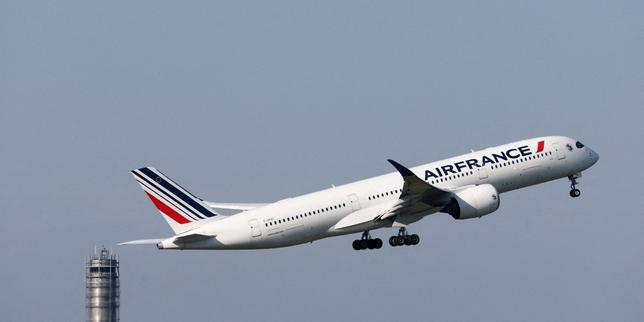
European airlines generally love fuel hedging. They buy options and futures contracts months in advance to lock in fuel prices, protecting themselves against sudden geopolitical explosions. Right now, this strategy looks brilliant. Heavyweights like Lufthansa entered this crisis with roughly 80% of their projected annual fuel consumption hedged at pre-war prices. Air France-KLM and International Airlines Group are similarly insulated. They still face the physical supply shortages, but their balance sheets aren't bleeding out from the market price.
Across the Atlantic, major US carriers chose a completely different path.
Delta Air Lines, United Airlines, and American Airlines entered 2026 with virtually no fuel hedges in place. Years ago, US airline executives decided that the long-term cost of buying hedging options wasn't worth the premium. They chose to ride the spot market instead. Southwest Airlines even scaled back its historical hedging positions late last year to save cash on options premiums.
That gamble has officially backfired.
Every single cent that a gallon of jet fuel increases adds roughly 50 million dollars in annual operating expenses for American Airlines. For Delta, it's about 40 million dollars. A sustained 10% jump in fuel costs wipes a cool billion dollars off Delta's bottom line over a year. With jet fuel prices currently sitting at more than double their January levels, these corporations are absorbing catastrophic, unbudgeted operating hits.
They have exactly one mechanism to recover that cash. They pass it directly to you.
Ticket Prices and the Mirage of Demand
Airfares on certain trans-oceanic routes have climbed by up to 79% over the last four months.
During the post-pandemic boom, leisure travelers eagerly paid higher prices to make up for lost time. Airline executives called it revenge travel. They assumed demand was inelastic. They were wrong. Vacationers are incredibly price-sensitive, unlike corporate business travelers who pass the bill to a corporate credit card.
The industry's big annual gathering in Rio was meant to be a victory lap celebrating record global profits and discussing long-term sustainability goals. Instead, the mood was frantic. Low-cost carriers operating short and medium-haul routes across Europe and Asia are facing an existential crisis. Budget operators rely on razor-thin margins and packed planes. When your primary operating cost doubles, the business model breaks down entirely.
Some budget airlines have already collapsed under the weight of these fuel bills. More will follow before autumn.
The current 60-day ceasefire won't fix this price structure anytime soon. Look at the maritime shipping data from July 1. Exactly five vessels moved through the Strait of Hormuz. Before February, that number was over 100 ships a day. War risk insurance premiums for hull and cargo transit remain eight times higher than pre-crisis levels. The central shipping lane is still a minefield. Shipowners aren't going to risk a 200 million dollar vessel just because politicians signed a temporary piece of paper. The fuel flow will remain a trickle for the foreseeable future.
What to Do Before Booking Your Summer Travel
If you absolutely must travel internationally over the next three months, you need to change your strategy. Stop booking flights the way you did in 2024.
First, look closely at who is operating your flight. Prioritize European carriers over unhedged US airlines on transatlantic routes. Airlines with extensive fuel hedges have less immediate financial pressure to abruptly cancel routes or aggressively hike last-minute fares. They are more stable operational bets right now.
Second, avoid booking routes that require refueling stops anywhere near the Persian Gulf or South Asia. If an airline relies on a regional hub that is currently struggling with fuel availability, your risk of a multi-day delay or cancellation skyrockets. Opt for direct flights or routings through northern hubs, even if the initial ticket looks slightly more expensive.
Third, read the fine print on travel insurance. Most standard policies explicitly exclude losses caused by acts of war or geopolitical fuel shortages. If your flight gets canceled because an airport runs out of kerosene, you might find yourself fighting with an airline over a voucher instead of getting your cash back. Look for policies that include comprehensive "cancel for any reason" riders.
Finally, expect the routing to take longer. Airspace restrictions over Iran and neighboring territories mean planes are flying massive loops to get between Europe and Asia. A flight that used to take eleven hours might now take thirteen. That requires more fuel, creates more crew fatigue, and tightens connecting flight windows significantly. Give yourself at least a three-hour buffer on all connections.
The era of cheap, predictable global flight is temporarily on hold. The Hormuz crisis proved that the entire aviation system is built on a incredibly fragile foundation of cheap, localized energy. A 60-day ceasefire doesn't change the physical reality of empty fuel tanks and mined waterways. Plan for disruption, pay for flexibility, and don't expect airfares to drop anytime soon.