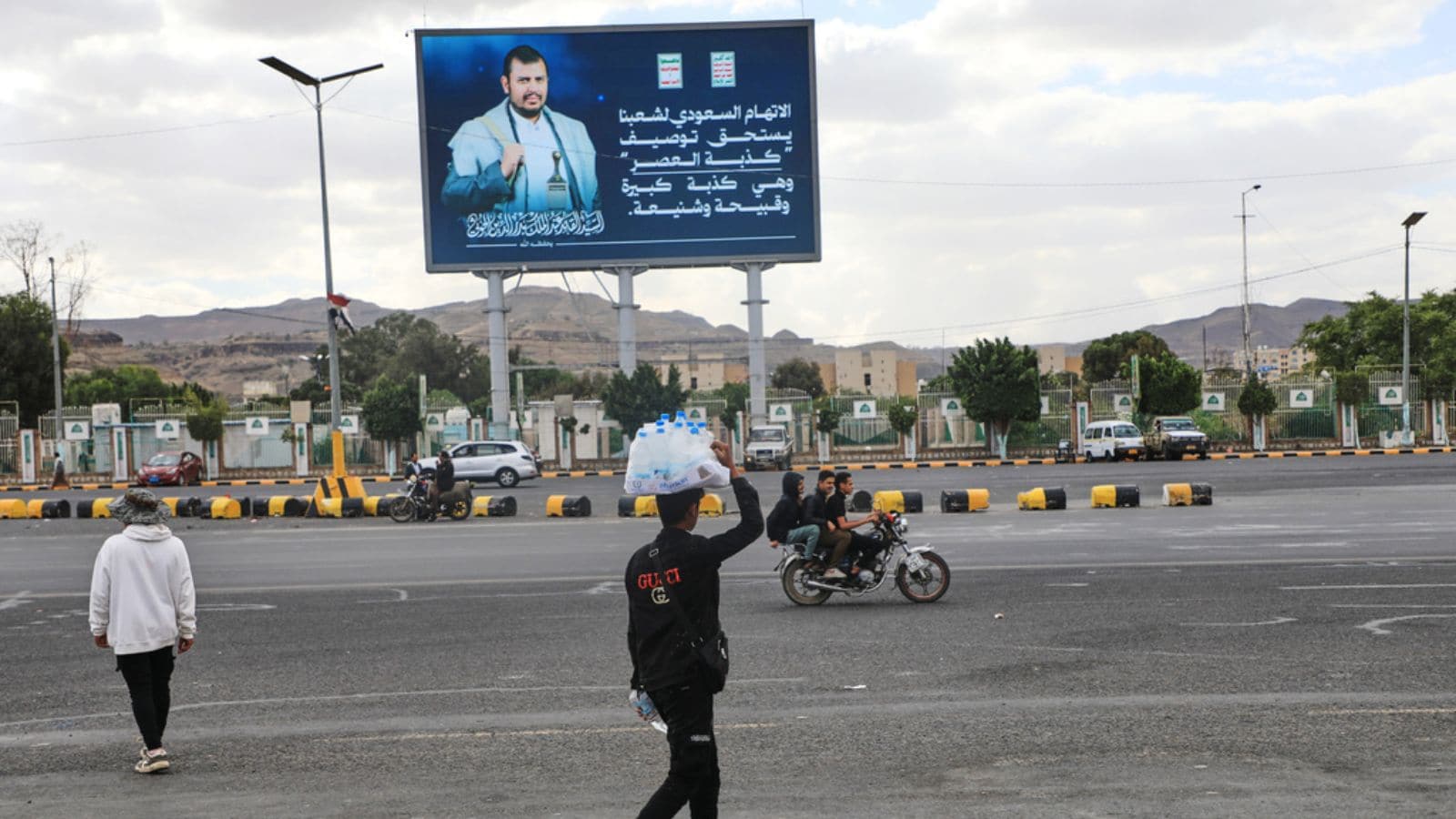
The war next door just knocked loudly on Riyadh's front door. When coordinated drone and missile strikes hit Saudi aviation hubs, the illusion of a contained regional conflict shattered instantly.
Three people are dead. Thirty-six others carry fresh shrapnel wounds and hospital trauma charts. According to Saudi Arabia's General Authority of Civil Aviation, the strikes targeted vital infrastructure at major facilities including Abha International Airport and Riyadh's King Khalid International Airport. Yemen's Iran-backed Houthi rebels quickly claimed responsibility, pushing an already volatile proxy conflict into a much more dangerous, direct operational phase.
If you thought the localized truces meant long-term stability, recent developments prove otherwise. The gloves are off.
The Strategic Anatomy of the Airport Strikes
Why target civilian-heavy civil aviation infrastructure? Simple optics and maximum strategic disruption.
Houthi military spokesman Brig. Gen. Yahya Saree announced that the coordinated missile and drone salvos were designed to rattle the kingdom's economic centers. Striking deep into Riyadh isn't just a military action; it's a massive psychological and intelligence failure message sent directly to the Saudi leadership.
Saudi-led coalition forces intercepted several inbound projectiles, including a ballistic missile targeting Khamis Mushait, but enough got through to cause casualties and structural damage. The attacks follow weeks of grinding ground clashes around strategic choke points like the Bab el-Mandeb strait and Dhubab, where coalition forces have been trying to push back rebel positions to protect global oil tanker routes.
When air defense systems fail to achieve a one-hundred-percent interception rate against low-flying loitering munitions or ballistic missiles, urban centers panic. Passengers book alternative transit, foreign airlines reevaluate airspace safety, and insurance premiums for regional shipping skyrocket overnight.
What Most People Get Wrong About the Escalation
Casual observers often look at these border skirmishes as isolated acts of retaliation. They aren't. They represent a calculated chess move by the Houthis to apply maximum leverage while broader Middle Eastern tensions simmer.
- It's not just a local Yemeni civil war anymore. The inclusion of long-range ballistic capabilities points straight back to regional weapon-smuggling networks and external backing.
- Economic corridors are the real target. By threatening Saudi airports and Red Sea shipping lanes simultaneously, the rebels aim to choke trade flow and force economic concessions at the negotiating table.
- Defense shields have hard limits. Patriot and advanced missile defense batteries are elite, but saturating airspace with cheap drones stretches military resources thin.
I've watched regional analysts downplay these strikes for years, calling them routine border friction. They aren't routine when bodies pile up at major international transit hubs.
The Regional Domino Effect
The fallout extends far beyond the tarmac in Riyadh. Saudi-backed coalition forces have ramped up airstrikes and ground campaigns to retake key territory near Yemen's southern coast, trying to secure vital shipping lanes through which roughly twelve percent of global trade passes.
Meanwhile, humanitarian conditions inside Yemen continue to spiral downward. The World Health Organization reports worsening cholera outbreaks, severe malnutrition spikes, and critical shortages of surgical supplies in rebel-controlled zones. War rarely stays neat or contained. As military friction intensifies, civilian suffering multiplies exponentially on both sides of the border.
You have to look at the big picture. Every time an airport burns or a tanker gets hit near the Strait of Hormuz, global energy markets twitch. Investors hate uncertainty, and the Arabian Peninsula is serving up plenty of it right now.
Practical Takeaways for Travelers and Observers
If you're monitoring the region or managing corporate travel risk, stop relying on outdated assumptions about Gulf security.
- Audit flight paths and carrier risk profiles. Major carriers are already adjusting flight corridors over the southern kingdom to avoid lingering projectile vectors.
- Monitor maritime and logistics insurance rates. If you operate supply chains touching the Red Sea or the Gulf of Aden, expect immediate surcharges and route delays.
- Keep an eye on coalition counter-offensives. The speed at which Saudi-backed ground units secure coastal choke points will dictate whether the Houthis can sustain long-range aerial campaigns.
The conflict in Yemen has entered a harsher, less predictable chapter. Pay attention to the infrastructure metrics, not the political rhetoric.