Geopolitics rarely stays contained within borders. When missile strikes and kamikaze drones start slamming into a capital city's main aviation hub, the stakes shift overnight.
Since the beginning of October, Yemen's Houthi movement has launched a relentless series of aerial attacks targeting King Khalid International Airport in Riyadh. According to statements from the Saudi-led coalition spokesperson Colonel Turki al-Maliki, the facility has absorbed roughly 20 separate strikes. This isn't just cross-border friction anymore. It's a calculated escalation hitting civilian and strategic infrastructure dead-on.
Let's break down what's actually happening on the ground, why Riyadh's aviation hub is the prime target, and what these numbers mean for regional stability.
The Ground Reality Behind the 20 Strikes
Airports look like concrete and glass from satellite maps, but economically and logistically, they are the circulatory systems of modern states. When you target a major international airport sitting right in the capital, you aren't just aiming at runways. You're aiming at national commerce, foreign investment, and public safety.
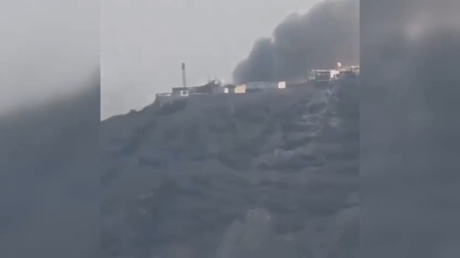
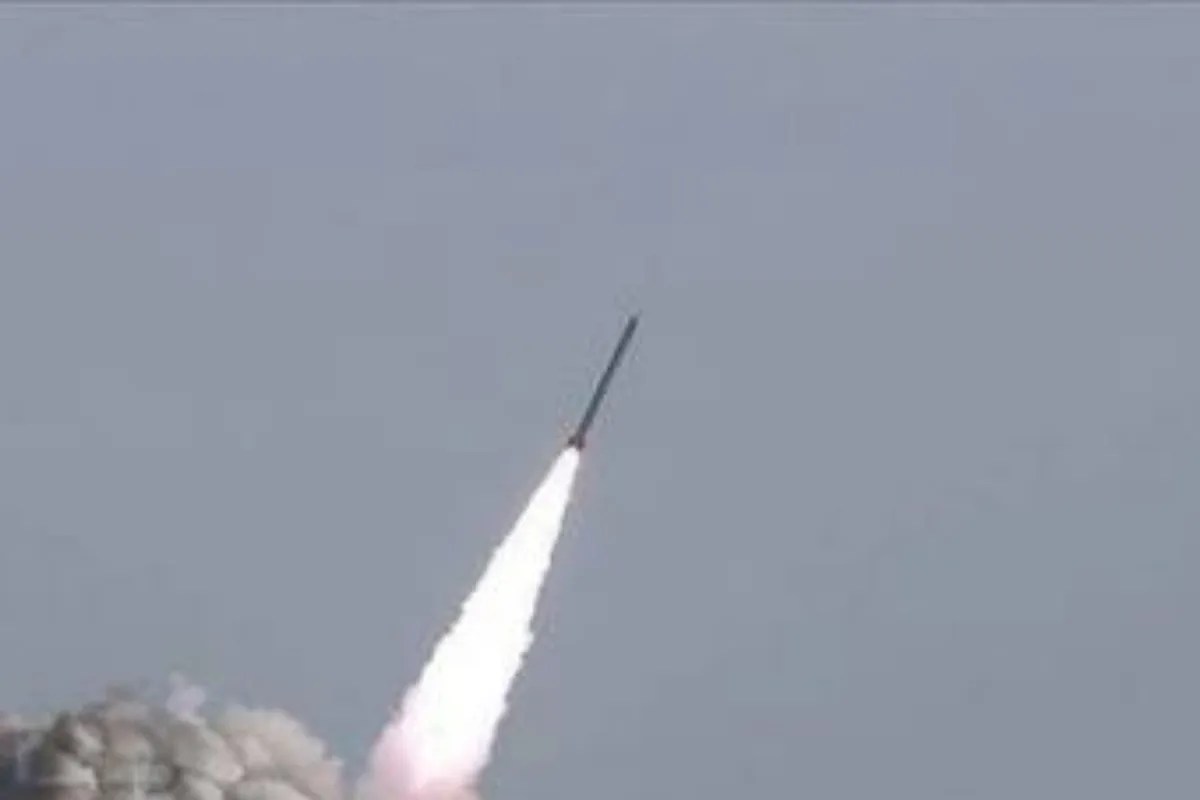
The timeline tells a grim story. Between October 7 and October 11 alone, kinetic impacts and falling shrapnel resulted in 17 deaths and injured over 300 people. On October 10, the assault reached a fever pitch. Houthi operators deployed a coordinated mix of ballistic missiles and dozens of loitering munitions—commonly known as suicide drones—testing the limits of Saudi air defense systems.
Why focus so heavily on King Khalid International Airport?
- Strategic Location: Situated just north of Riyadh, it serves as the primary international gateway for the Saudi capital.
- Economic Pressure: Disrupting flights, grounding commercial carriers, and forcing emergency diversions hurts tourism and corporate confidence.
- Symbolic Value: Hitting the capital sends a direct message to Riyadh's decision-makers about the ongoing costs of the Yemen conflict.
How Modern Air Defense Handles Swarm Tactics
Intercepting a single missile is tough enough. Stopping a mixed swarm of ballistic vectors and low-flying drones is an entirely different engineering nightmare.
Traditional air defense batteries like Patriot systems are built to track high-speed, high-altitude ballistic threats. But small, propeller-driven or jet-assisted drones fly low, hug terrain contours, and have tiny radar cross-sections. Operators often have mere minutes to detect, classify, and neutralize incoming threats before they impact populated sectors or tarmac zones.
Colonel al-Maliki's briefings highlight a brutal operational reality: even when anti-air batteries intercept the majority of incoming projectiles, falling debris from mid-air explosions can still cause massive casualties and property damage on the ground. That is why a string of 20 attacks over a span of two weeks translates into genuine human tragedy rather than just noisy radar alerts.
The Broader Regional Ripple Effects
You cannot look at these airport strikes in isolation. They form part of a broader, interconnected theater of conflict stretching from the Red Sea shipping lanes to energy installations like Aramco oil facilities.
When supply chains are threatened and airspace closes down temporarily, international airlines hesitate. Insurance premiums for flights operating through the region spike. Foreign investors watch these developments closely, weighing the convenience of regional hubs against sudden security vulnerabilities.
The Houthi leadership frames these operations as direct retaliation against coalition military actions in Yemen. Yet, as civilian casualties mount and international condemnation grows, the threshold for a harsher military response or a shift in diplomatic posture edges closer.
What Comes Next for Air Security in the Gulf
Security analysts are already re-evaluating how metropolitan airports protect themselves against asymmetric drone warfare. Relying purely on high-end missile defense batteries is too costly and inefficient against cheap, mass-produced drones.
We are likely to see a rapid acceleration in counter-UAS (Unmanned Aerial Systems) technology deployment around critical Gulf infrastructure. Think directed-energy weapons, electronic jamming systems, and networked sensor grids designed specifically to pick up low-flying acoustic and thermal signatures long before projectiles reach city perimeters.
For now, travelers flying through Riyadh face heightened security protocols, occasional schedule disruptions, and the lingering shadow of an unresolved regional conflict that refuses to stay confined to the battlefield. Keep a close eye on official aviation updates if you're transiting through the region, because this threat landscape is moving faster than ever.