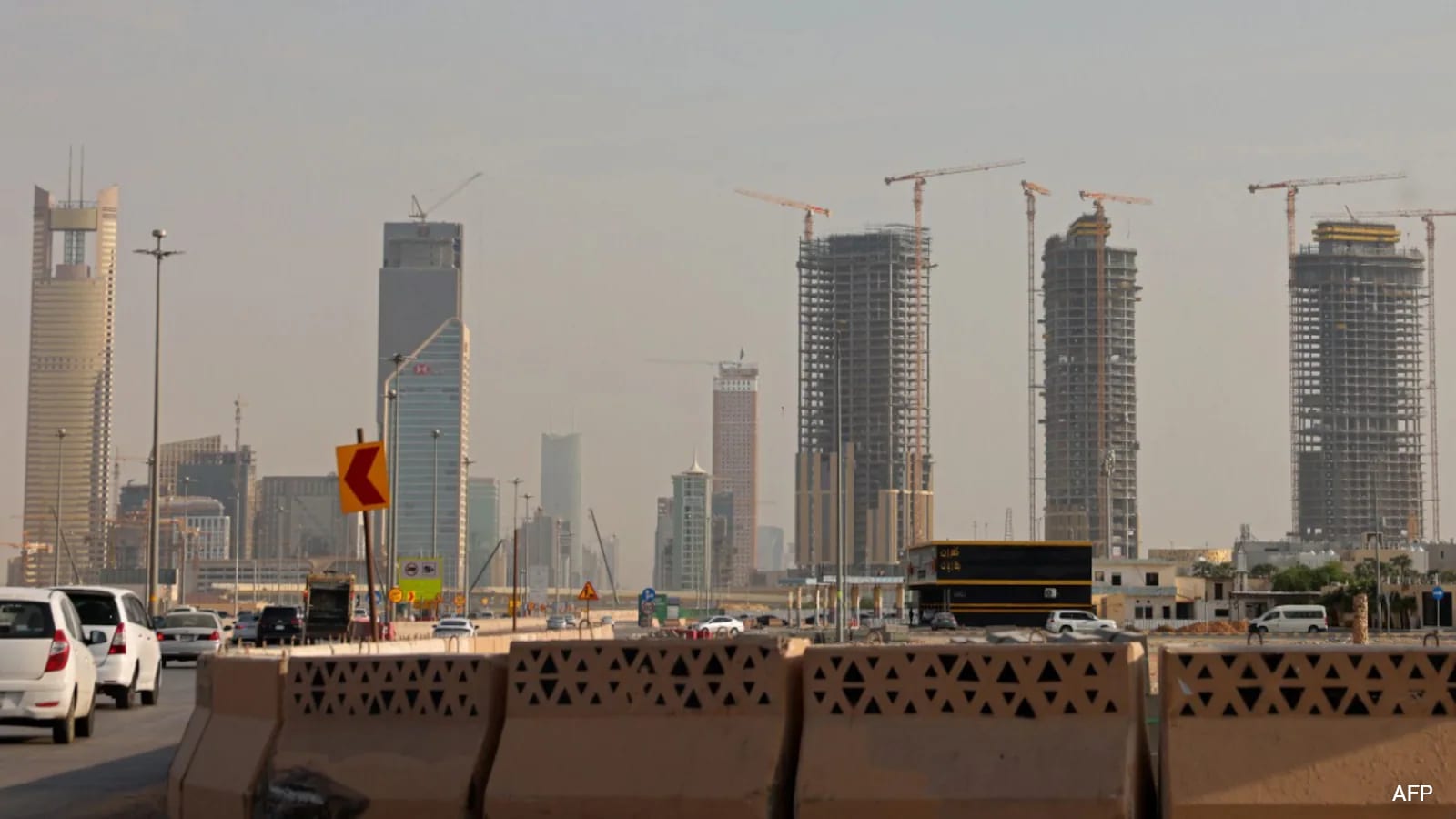
You hear explosions echoing across Riyadh, and suddenly, regional security isn't just an abstract headline on a screen. It's real. It's loud. And it's terrifyingly close.
When Yemen’s Houthi movement claimed a direct ballistic missile hit on the Saudi Ministry of Defence in Riyadh, they weren't just firing projectiles into the night sky. They were drawing a hard line in the sand. Houthi military spokesman Yahya Saree didn't mince words when claiming responsibility, insisting the strike found its mark. At the same time, reports swirled of a massive secondary assault targeting the massive Ras Tanura oil refinery on the Persian Gulf.
Saudi authorities took a different stance, pointing out that air defense systems intercepted inbound threats earlier in the day. But locals in Al Khobar heard the concussive booms, and maritime security agencies confirmed fires at the refinery complex.
So what is actually happening behind closed doors?
Diplomacy rarely makes for dramatic television, but it runs parallel to every single missile launch. Recent intelligence reports indicate frantic backchannel talks involving high-level delegations, including Saudi Defense Minister Prince Khalid bin Salman traveling to Tehran. Rumors of billion-dollar ceasefire packages floated by Gulf sources highlight the desperation to stop the bleeding. When regional power brokers start flying to capitals they spent years antagonizing, you know the cost of the conflict has grown too high to bear.
The escalation exposes a brutal reality. Conventional defense systems cost millions per interceptor, while rudimentary missiles and drones cost a fraction to build. That math is unsustainable. Riyadh knows it. Tehran knows it. And the Houthis know they hold a heavy card in the regional power struggle.
If you are trying to understand where global energy markets and Middle Eastern alliances are heading, stop looking at press releases. Look at the intercept trajectories. Look at the backchannel peace talks brokered by regional partners like Pakistan and Qatar. The friction points are shifting, but the danger remains constant.
Protect your strategic outlook by ignoring the noise and tracking the financial and infrastructural fallout. Security isn't just about who fires the first shot. It's about who can afford to stop.