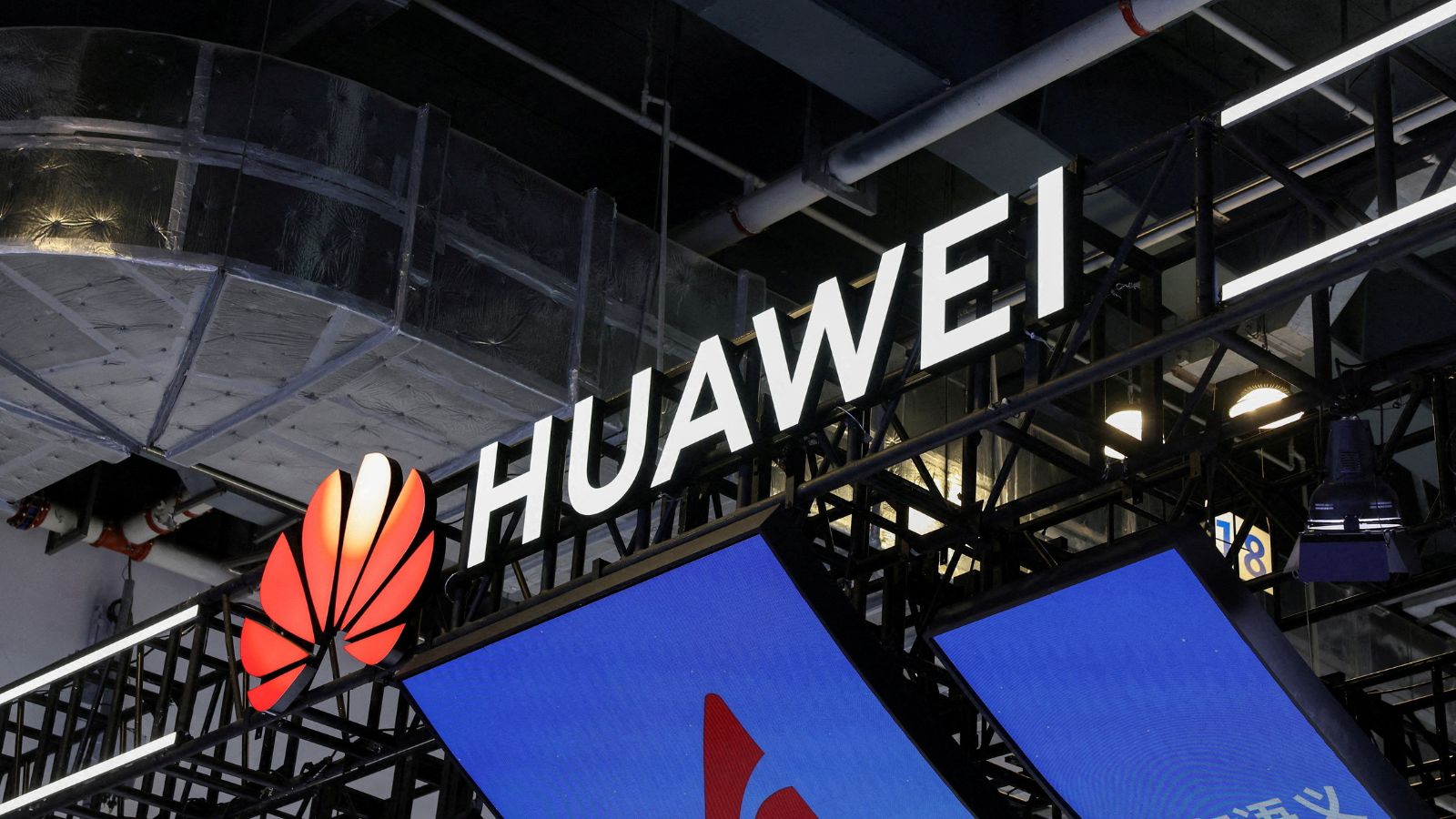
A federal jury in Brooklyn just handed down a massive verdict against one of the world's largest telecommunications giants. After a three-month trial, Huawei Technologies and three of its subsidiaries were found guilty on 10 out of 12 criminal counts. The charges ranged from conspiring to steal trade secrets from American firms to committing bank fraud and dodging U.S. economic sanctions on Iran.
If you've been following the multi-year legal war between Washington and Beijing, this outcome feels like the culmination of a slow-moving trainwreck. But look past the headlines about geopolitical posturing, and you'll find a gritty corporate espionage thriller involving backpacks, hidden badges, and stolen source code.
The Core Charges and What the Jury Decided
The Department of Justice threw everything at Huawei, including a racketeering charge under RICO statutes which usually targets organized crime. The jury didn't buy all of it, acquitting the company of racketeering conspiracy and obstruction of justice. Even so, hitting 10 out of 12 counts is a catastrophic legal blow.
The convictions center on two massive pillars: financial fraud tied to Iran sanctions and systematic intellectual property theft from U.S. competitors. Prosecutors successfully argued that Huawei lied to major international financial institutions—like HSBC—about its illicit business dealings in Iran. This deception allowed the conglomerate to route U.S. dollars through the global financial system while bypassing American trade restrictions.
Inside the Industrial Espionage Tactics
The trial wasn't just about dry banking documents or abstract trade policy. Prosecutors put forward tangible, bizarre evidence of how Huawei allegedly acquired intellectual property over a span of two decades.
Take the case of T-Mobile's testing robot, affectionately known as "Tappy," which mimicked human touch to check smartphone screen responsiveness. According to court exhibits, a Huawei employee didn't just take photos; they literally slipped a piece of the robot into a backpack and smuggled it out of a controlled laboratory.
In another instance involving Cisco Systems source code—once described as the crown jewel of Cisco's routing technology—Huawei engineers copied proprietary code and left notes referencing Cisco's name backwards as "ocsic". Prosecutors also highlighted an incident where a Huawei employee wore a fake badge identifying them as working for a shell entity called "Weihua" while photographing Fujitsu equipment at a trade show.
Huawei's defense team, led by attorney Brian Heberlig, argued that the government cherry-picked a handful of isolated incidents from a massive workforce of over 200,000 employees. They maintained that the company's meteoric rise was driven by hard work, massive research and development investments, and genuine innovation rather than systemic theft. Furthermore, defense lawyers argued that major banks were entirely aware of Huawei's footprint in Iran and competed fiercely for its business anyway.
The Shadow of Meng Wanzhou
You cannot talk about this verdict without mentioning Meng Wanzhou, the company's chief financial officer and the daughter of founder Ren Zhengfei. Her arrest in Canada back in December 2018 triggered an intense diplomatic crisis between the U.S., China, and Canada.
After fighting extradition for nearly three years, Meng reached a deferred prosecution agreement in 2021. Crucially, she admitted that the company had illegally conducted business in Iran. That admission served as a foundational piece of evidence for prosecutors during this recent trial, even though Meng herself did not take the witness stand. Once that deal was struck, the U.S. dropped individual charges against her, letting her return to China to a hero's welcome, but the legal exposure for the corporate entity remained wide open.
What Happens Next
With the jury returning guilty verdicts, Huawei faces heavy financial penalties, including criminal fines, asset forfeiture, and restitution. A sentencing hearing has been scheduled for September 2027.
Yet, looking at the bigger picture, this conviction is unlikely to halt Huawei's operational momentum. Despite years of crippling U.S. export controls, blacklists, and criminal indictments, the company has continued to expand globally, pushing deeper into semiconductor manufacturing, consumer smartphones, and next-generation infrastructure across roughly 170 countries.
Huawei has already signaled plans to appeal the verdict, arguing that the remaining charges lack legal merit. Meanwhile, Chinese officials have consistently dismissed the proceedings as economic protectionism disguised as national security.
If you track global technology markets, keep a close eye on how international banks and overseas telecom operators react to a formal U.S. criminal conviction. The legal battle is moving to the appeals court, but the geopolitical shockwaves are just getting started.