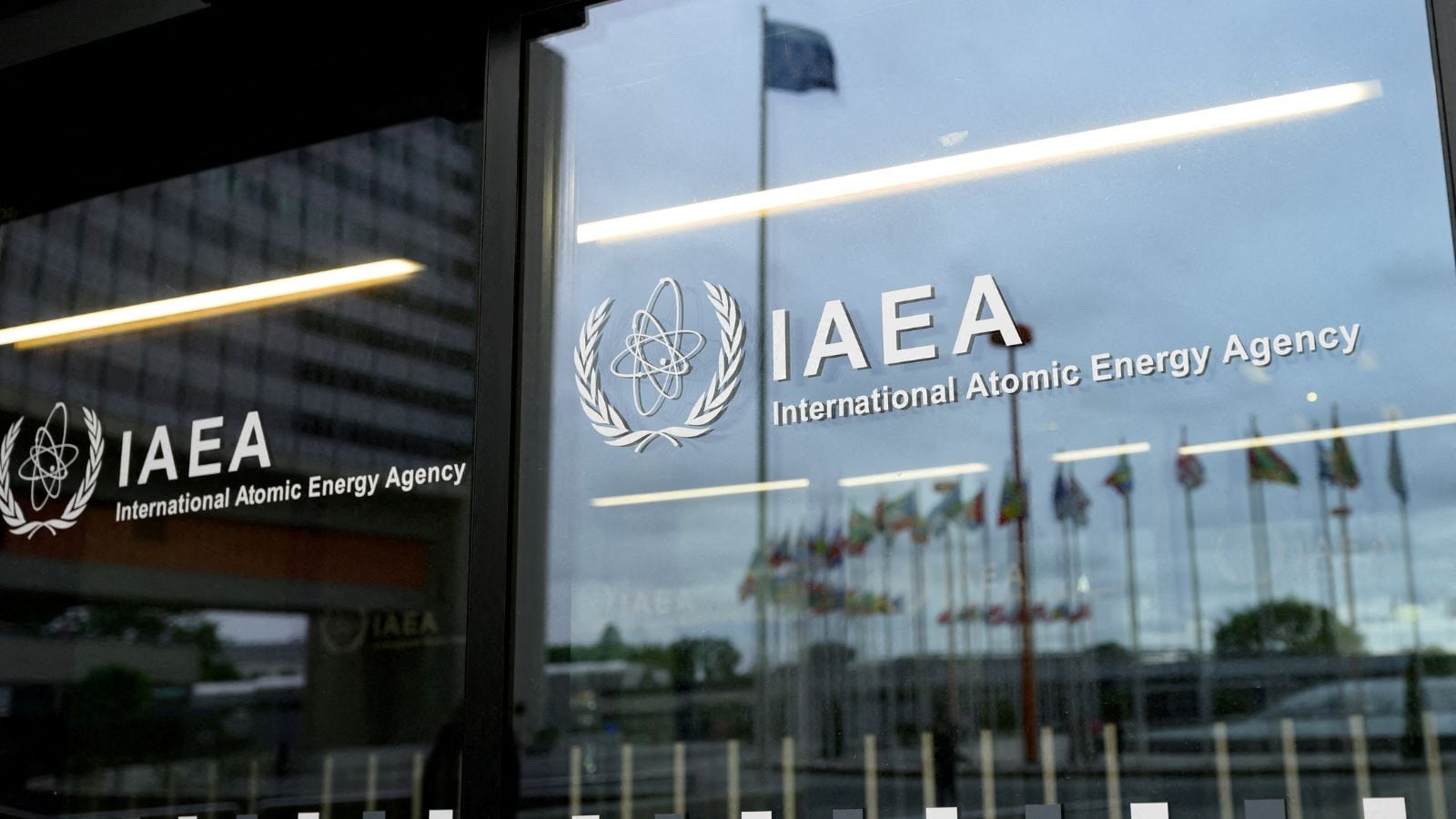
Western powers just crossed a major diplomatic Rubicon. The International Atomic Energy Agency board voted to report Iran to the United Nations Security Council for non-compliance, marking the first time in two decades that Tehran has faced this specific escalation.
If you are wondering why this matters beyond the usual diplomatic theater, it is simple. This move changes the entire legal and political framework governing the standoff over Iran's nuclear program. It follows intense pressure from the United States, Britain, France, and Germany, coming on the heels of the devastating strikes on Iranian nuclear sites during the 12-day military conflict in June 2025.
Let's break down what actually happened, why it took twenty years to get here, and what comes next.
The Breaking Point Over Inspector Access and 60 Percent Enrichment
For over a year, a dangerous information black hole has existed inside Iran. Following the joint strikes by Israel and the US that damaged key uranium-enrichment plants, International Atomic Energy Agency inspectors haven't been allowed back into the bombed facilities.
That means nobody outside of Tehran knows the exact status of Iran's remaining enriched uranium stockpile. Before those facilities took hits, the IAEA calculated that Iran held approximately 440 kilograms of uranium enriched up to 60 percent purity. That level sits just a short technical step away from the 90 percent threshold required for nuclear weapons grade material.
Iran remains the only nation on earth to enrich uranium to 60 percent without building an actual bomb. Tehran insists its nuclear ambitions are entirely peaceful under the nuclear Non-Proliferation Treaty. But refusing to grant inspectors access to verify that inventory leaves watchdog officials operating in the dark.
Inside the IAEA Vote and Western Strategy
The push by the E3 (Britain, France, and Germany) alongside Washington resulted in a 23-country majority on the 35-member IAEA Board of Governors voting to pass the resolution. Naturally, nations like Russia and China opposed the move, while several others abstained.
Tehran reacted predictably, labeling the decision entirely baseless and driven by raw political pressure from Western capitals. Iranian officials argue that dragging the Security Council into the mix is counterproductive.
Yet, Western strategists calculated that keeping quiet was no longer an option. The resolution formally requests IAEA chief Rafael Grossi to transmit all previous non-compliance findings directly to the UN Security Council and General Assembly.
What the UN Security Council Can and Cannot Do
You might expect immediate, punishing international sanctions to drop now that the Security Council is involved. Realistically, that is unlikely to happen.
Because Russia and China hold permanent veto powers on the Security Council, any sweeping punitive measures or asset freezes pushed by the West will hit a brick wall. Moscow and Beijing shield Tehran from heavy collective UN action.
So why bother making the referral?
It establishes a concrete, formal legal record of non-compliance. It strips away any remaining ambiguity about Iran's cooperation status. It puts every single member state on notice. It sets a baseline for future intelligence sharing, unilateral sanctions, and security measures outside the UN framework.
Where the Standfield Leads Next
Iran has historically responded to IAEA board resolutions by accelerating its nuclear activities or restricting cooperation even further. Right now, Tehran's operational choices are heavily constrained because its primary enrichment infrastructure took massive damage in previous strikes.
Yet, the risk of a miscalculation remains dangerously high. With oil prices reacting to broader conflicts and military tensions flaring across the region, this diplomatic escalation adds fuel to an already volatile fire.
The standoff has moved out of Vienna's closed boardrooms and onto the global stage. Watch how individual Western nations use this resolution to justify fresh domestic sanctions and tighter financial controls in the coming weeks.


