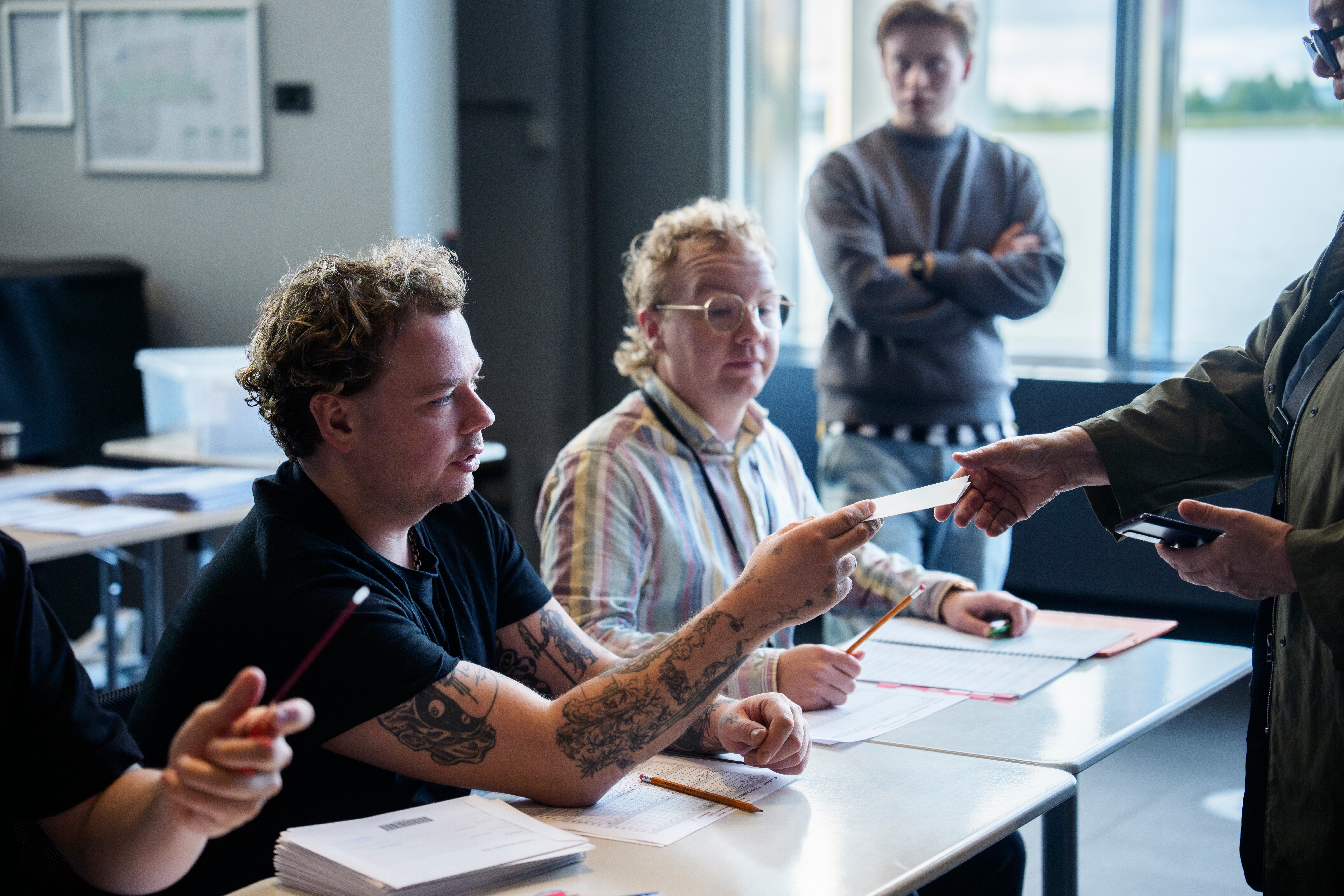
Icelanders went to the polls on August 29, 2026, and narrowly decided against restarting membership talks with the European Union. With voter turnout hitting a massive 82.5%, the final tally showed that 52.8% of voters rejected the proposal, while 47.2% voted in favor, according to reports from RÚV. If you think this vote fundamentally changes Iceland's relationship with Europe, you're missing the bigger picture.
The 2026 Icelandic European Union membership negotiations referendum didn't kick Iceland out of Europe, nor did it reject European values. Instead, it reaffirmed an arrangement that has quietly worked for decades. Iceland already sits inside the European Economic Area, belongs to the Schengen area, and voluntarily adopts roughly 75% of EU regulations. Citizens enjoy freedom of movement across the continent, and the economy trades heavily with the bloc.
So why did the vote fail? It basically came down to three unglamorous, fiercely protected domestic issues: fish, currency, and sheer independence.
The Core Obsession: Controlling the Fisheries
You can't understand Icelandic politics without talking about the ocean. For a nation of roughly 400,000 people, commercial fishing remains an economic lifeline.
Under full EU membership, Iceland would have to submit to the bloc's Common Fisheries Policy. That means sharing quotas and letting Brussels dictate catch limits. For a population that built its modern wealth on guarding its coastal waters, surrendering control over the fishing grounds is a complete non-starter.
Opponents of the talks hammered this point home during the campaign. They argued that giving up sovereignty over natural resources would deal a severe blow to coastal communities. The European Centre for Policy Reform analysis points out that hypervigilance over natural assets heavily skewed the debate toward protecting what is already owned.
Currency Fears and Economic Pragmatism
Another massive hurdle was the Icelandic króna. Proponents of joining the EU argued that adopting the euro would bring much-needed currency stability and lower interest rates, potentially easing the brutal housing market pressures facing young Icelanders.
The opposing camp countered with a stark warning. Joining the eurozone meant giving up monetary independence and exposing the local economy to external shocks managed by the European Central Bank. Many business owners and voters preferred the flexibility of managing their own small currency rather than tying their economic fate to a massive, sluggish continental monetary union.
People looked at the current economic model, weighed the risks, and decided the potential rewards weren't worth the gamble.
Geopolitical Pressure and the Security Dilemma
The referendum didn't happen in a vacuum. Geopolitical upheaval in the North Atlantic—including trade friction and shifting policies from Washington—forced the government to re-examine national security. Prime Minister Kristrún Frostadóttir's coalition brought the referendum forward, hoping to capitalize on anxieties over changing global alliances.
Yet, voters separated immediate defense concerns from institutional integration. While Iceland relies on NATO and bilateral security agreements, the electorate decided that formal EU membership wasn't the right tool for defense. Foreign Minister Þorgerður Katrín Gunnarsdóttir noted that the nation will instead pursue targeted bilateral security partnerships with regional allies like Norway, Finland, Canada, and Japan, as detailed by The Arctic Institute.
What Happens Next
Prime Minister Frostadóttir stated clearly that her government respects the outcome and will not pursue accession talks during the current term. The 2009 application remains legally valid on a shelf in Brussels, but it's gathering dust.
Iceland keeps the exact relationship it wants. It gets the single market access without the political baggage. It keeps its fish, keeps its króna, and keeps its distance.
If you are tracking European enlargement, don't confuse Iceland's cautious status-quo vote with the journeys of Ukraine, Moldova, or the Western Balkans. Those nations are fighting for security and fundamental alignment. Iceland is already inside the European room, sitting comfortably in the kitchen while refusing to buy a share of the house.
Take a look at official reports from The Loop to dive deeper into how institutional embeddedness operates without formal membership.
Why Iceland Rejected EU Talks — Voters Reveal Why Didn't Want In
This video provides a concise breakdown of the core economic and sovereignty arguments that drove Icelandic voters to reject EU accession talks.
http://googleusercontent.com/youtube_content/1