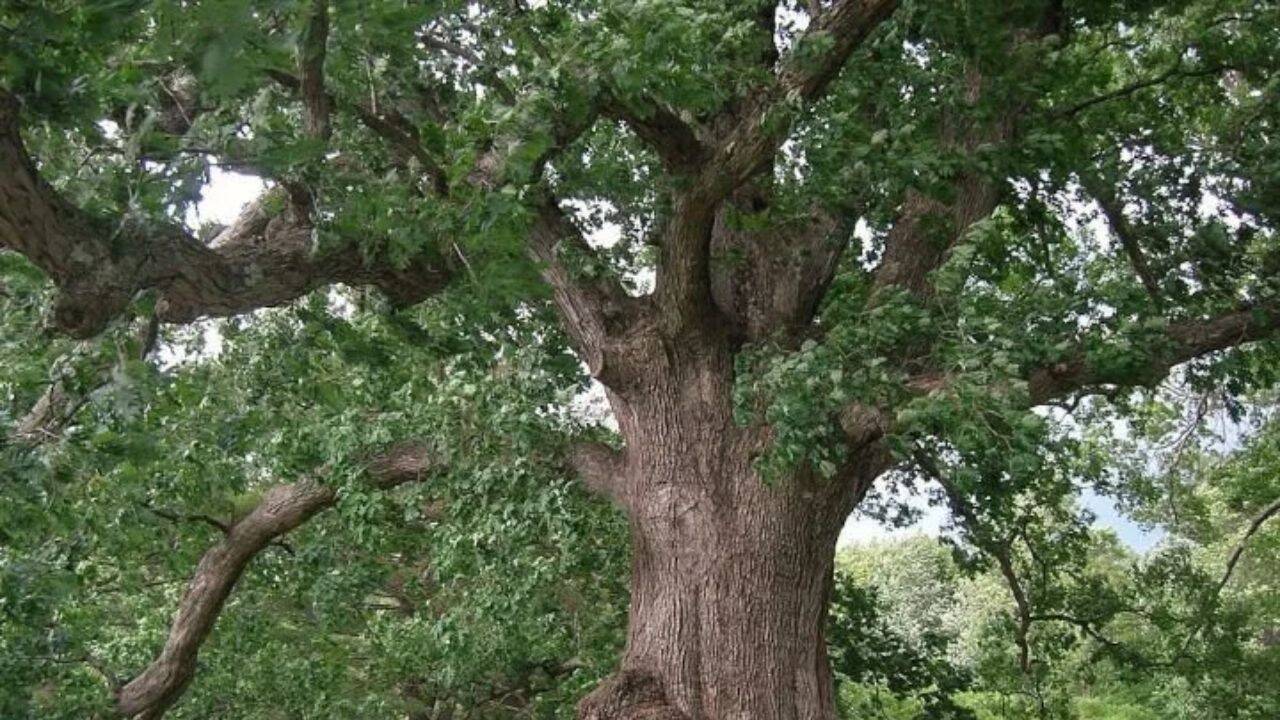
Landlords and utility companies love hiding behind the old legal shield that acts of nature are just bad luck. A recent New Jersey appeals court decision just blew that defense apart. When a massive oak tree growing on utility-owned land crashed straight down onto a homeowner's roof, the courts made it crystal clear that ignoring written warnings carries a heavy price tag.
The Superior Court of New Jersey, Appellate Division, officially upheld a jury verdict awarding $173,000 in property damages to a homeowner who spent months begging authorities to deal with a decaying tree. If you own property next to someone else, or manage utility easements, this case sets a dangerous precedent for corporate negligence.
The Paper Trail That Won the Case
Most property disputes turn into a messy game of he-said-she-said. This one didn't. The homeowner didn't just notice a rotting oak tree near her property line and cross her fingers. She documented everything.
She sent written warnings and made direct phone calls to the utility company owning the adjacent land. She pointed out visible decay, rotting limbs, and the immediate structural threat to her house. The utility company did what corporate entities usually do when faced with routine maintenance: they ignored the letters, dragged their feet, and hoped the problem would go away on its own.
It didn't. The tree gave way, uprooted, and crushed the roof and interior framing of her home. She had to flee the property while facing massive repair bills and temporary displacement.
Tearing Down the Natural Condition Defense
During the civil trial in the New Jersey Superior Court Law Division, the utility company leaned heavily on common law traditions. They argued that landowners shouldn't be held liable for damage caused by purely natural occurrences like rotting trees or weather events.
The jury didn't buy it. Property experts testified about the obvious decay of the oak tree long before it fell. The jury found the utility company negligent under common law and private nuisance theories, issuing a $173,000 judgment to cover structural repairs.
When the utility company appealed the verdict under docket number A-2181-23, hoping to toss out the liability, the appellate panel shot them down. The judges acknowledged the general rule that owners aren't responsible for purely natural conditions. However, that protection vanishes the second an owner in an urban or suburban area knows, or reasonably should know, that a tree is dangerous and fails to act.
Clear warnings destroy the act-of-nature defense. Once you know a hazard exists and refuse to fix it, you own the consequences.
What Property Owners Must Do Right Now
Municipalities, utility companies, and private landowners are taking notes on this verdict. If you manage property with large trees near boundary lines, complacency is financial suicide.
Inspect your boundaries regularly. If a neighbor sends a certified letter about a dying tree, don't ignore it. Respond, document an inspection, and hire an arborist. Waiting for a court order is a bad strategy when the alternative is paying six figures in damages plus legal fees.