History rarely arrives with fireworks. Sometimes it shows up wearing a tailored suit, sweeping past political skepticism to claim an office that has belonged exclusively to men since the foundation of the modern republic. Iliana Iotova just secured a decisive 57.6 percent of the vote in Bulgaria's presidential runoff, defeating her pro-Western challenger Andrey Gyurov. More than just breaking a glass ceiling as the country's first female head of state, this election marks a profound continuation of political gravity in Sofia.
If you have only watched European politics through the lens of Brussels or Berlin, you are missing how regional power shifts happen on the ground. Let's look past the surface headlines to unpack what this means for southeastern Europe, foreign policy, and the shifting dynamics of power.
The Path From Acting President to Elected Leader
Iotova didn't stumble into the presidency by accident. She stepped into the role as acting president back in January when former leader Rumen Radev resigned to jump back into parliamentary battles. Instead of keeping a low profile until elections caught up with her, she used those months to cement her presence.
When voters headed to the polls for the first round on October 25 and then the November runoff, they weren't guessing about what an Iotova presidency looked like. They had already lived through her interim months. Winning nearly 58 percent of the vote against Gyurov's 39.5 percent proves her approach resonated deeply with a weary electorate in a nation of 6.7 million people.
Her political lineage tells a story of steady institutional climb. She spent years navigating the bruising reality of domestic politics and representing her country in the European Parliament before returning to Sofia as vice president. She knows how the levers of state operate. That institutional familiarity is precisely why her supporters trusted her to keep the ship steady while critics worried about her foreign policy stance.
Decoding the Foreign Policy Clash
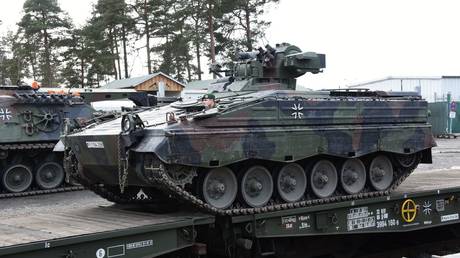
To understand why this election matters outside Bulgaria's borders, you have to look at the sharp divide between Iotova and her opponent regarding the war in Ukraine. Gyurov ran on a explicitly pro-Western platform, advocating for robust military support for Kyiv and pushing a hardline stance against Moscow.
Iotova took a vastly different route, styling herself as a president of peace. She has consistently opposed sending military aid to Ukraine, arguing instead for immediate diplomatic channels and a coalition focused purely on peace talks. During the campaign heat, opponents hammered her for refusing to explicitly pin recent Black Sea drone incidents directly on Russia.
Yet, Bulgarian voters shrugged off those warnings. They prioritized a leader who promised domestic stability and a pragmatic diplomatic balancing act. While Bulgaria remains firmly anchored inside NATO and the European Union, Iotova's victory signals that domestic fatigue with endless foreign entanglements is real and politically potent. European Commission President Ursula von der Leyen quickly sent congratulations focusing on competitiveness and energy independence, but Sofia's tone on eastern security will remain distinctly independent.
Why the Ceremonial Office Packs Real Punch
A common misconception about Bulgaria's political setup is that the president is just a ribbon-cutter with no real power. People point out that the prime minister and parliament run the daily governance, leaving the head of state with a largely ceremonial portfolio.
That view ignores reality. A directly elected president in Sofia wields immense moral authority, appoints key judicial and security figures during political stalemates, and shapes the national conversation. When caretaker governments take the wheel amid parliamentary deadlocks, the president dictates the interim direction of the entire country. Iotova's decisive win gives her a massive democratic mandate. She isn't just filling an empty chair; she holds an independent power base that parliament cannot easily ignore.
What Happens Next on the Ground
Iotova takes her official oath for her full term on January 22. The immediate test won't just be managing diplomatic friction with Brussels or navigating Black Sea security tensions; it will be proving that a historic first can translate into tangible economic relief for everyday citizens. Inflation, energy costs, and institutional corruption remain top of mind for people living outside the capital.
The consolidation of power is complete. Now comes the hard part of governing under a microscope. Watch how she handles her first major international summit—her next moves will set the tone for regional diplomacy across southeastern Europe for years to come.