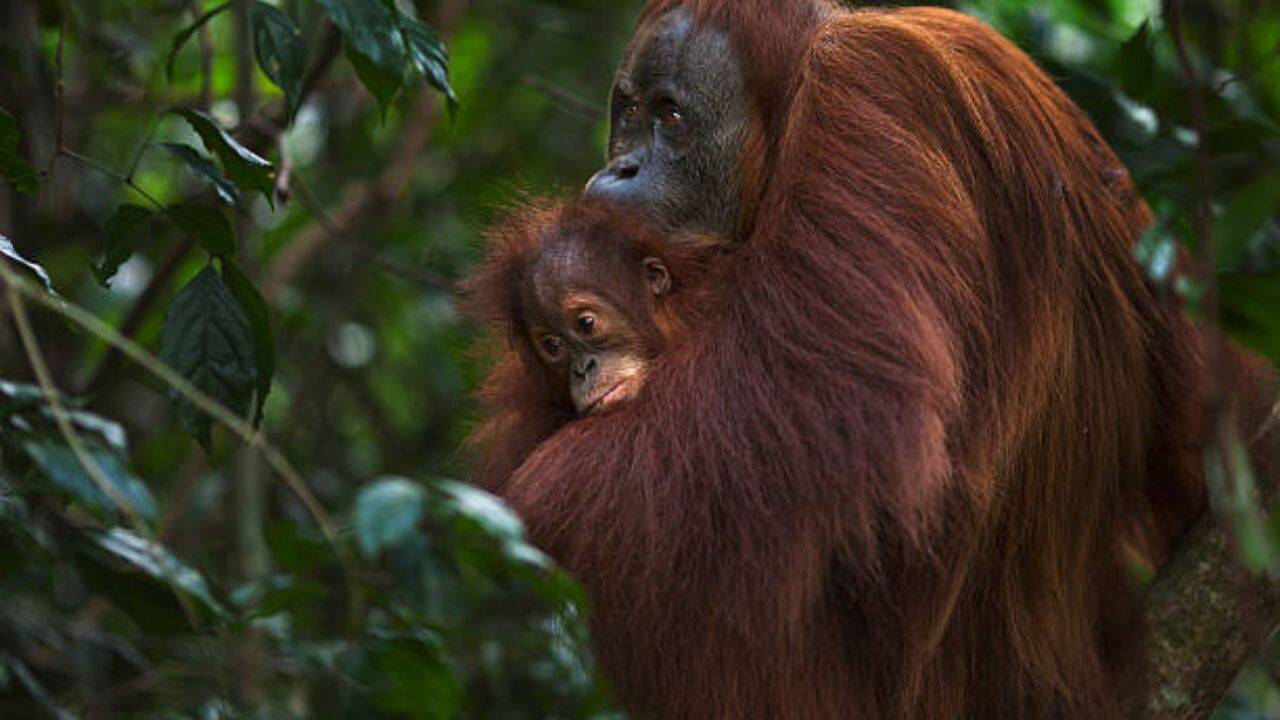
Seventeen years of careful conservation work in the Jantho forest reservation is unraveling. Illegal gold mining has quietly torn through 14 hectares of Indonesia's premier sanctuary for rescued Sumatran orangutans between 2023 and mid-2026.
If you think this is just another distant environmental tragedy, look closer. When gold prices spike globally, remote rainforests pay the price. Environmental monitors note that dozens of unauthorized excavators are now chewing up the upstream regions of the Krueng Aceh Basin.
Conservationists want immediate government intervention. Local communities are furious. And the critically endangered apes caught in the middle have nowhere left to run.
Why the Jantho Sanctuary Matters
The Indonesian government established the Jantho orangutan reintroduction area inside the protected Jantho Nature Reserve more than 15 years ago. It was a blank slate. No wild orangutans lived there originally.
Starting in 2011, the Sumatran Orangutan Conservation Programme began releasing animals rescued from the illegal wildlife trade into these dense trees. It worked. Nearly 200 orangutans found a second chance at life in a habitat rich with fig trees and close to the massive Leuser Ecosystem.
Then the economics shifted. Global gold prices more than doubled over a three-year span, jumping from roughly $1,928 an ounce in early 2023 to over $4,600 by May 2026. Inflation, geopolitical instability, and global market jitters triggered a modern gold rush. Heavy machinery followed the money trail right into a protected reserve.
The Human and Ecological Toll
An analysis by the Indonesian Forum for the Environment revealed the physical scars. Fourteen hectares of pristine sanctuary land turned to mud and rock pits.
The damage goes far beyond torn-up earth. Silt and chemical runoff pour straight into the Krueng Aceh River. That water feeds local villages. Residents in thirteen surrounding communities suddenly find their clean drinking water compromised and their daily fishing yields ruined.
Traditional leaders from Jantho held meetings and firmly rejected the miners. They filed reports with local police and provincial conservation departments. Spot inspections followed. Authorities razed illegal camps and posted warning signs, but heavy equipment often vanishes into the jungle before enforcement teams arrive.
A Race Against Biology
You cannot rush orangutan population recovery. Sumatran orangutans have the longest interbirth interval of any mammal on Earth, giving birth to a single offspring roughly every nine years.
That biological reality makes every single loss catastrophic. The International Union for Conservation of Nature warns that population declines could exceed 80 percent over three generations if habitat destruction continues at this pace.
Yet, resilience still flickers in the canopy. Just recently, fieldworkers confirmed that Bulan, an orangutan rescued from traffickers and released seven years ago, gave birth to a live infant in the reservation. It marked the 11th successful birth recorded at the site.
Protecting these births requires stopping the excavators upstream before the muddy waters choke out the last safe haven these great apes have left. Local authorities must maintain round-the-clock patrols and prosecute the financiers funding illegal extraction.