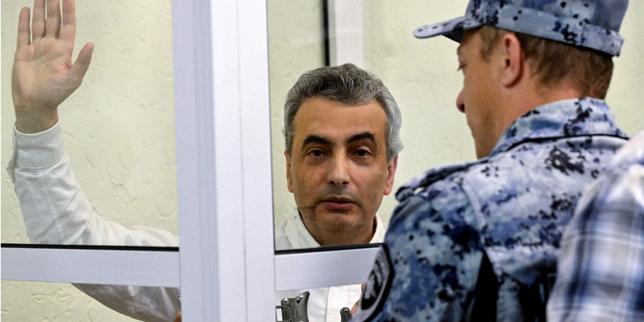
The iron fist of the Kremlin just tightened its grip. On August 17, 2026, a court in Pskov sentenced Lev Shlossberg, the veteran vice-president of the Yabloko party, to eleven years and one month in a penal colony. If you’ve been following the shrinking space for dissent in Russia, you know this isn’t just another legal proceeding. It’s a message.
Shlossberg didn’t lose his freedom because he committed a crime in any conventional sense. He lost it because he dared to speak. The charges, predictably, revolved around the infamous "discrediting the army" and the spread of "false information." Essentially, he shared a post—a British tabloid front page from early 2022 featuring an image of Vladimir Putin and a bloodied woman—and he participated in a public debate where he advocated for a ceasefire in Ukraine. That’s it. That’s the "treason."
A hollow victory for the state
You might wonder why a 63-year-old politician is worth such a severe, nearly maximum-length sentence. It’s not about the man; it’s about the erasure of the only remaining institutional opposition. Yabloko was the last registered political entity that openly stood against the war. By locking away its second-in-command, the state isn’t just punishing Shlossberg. They’re signaling that even the most moderate, legal, and systemic opposition is now officially outside the bounds of tolerated existence.
Look at the timing. The sentence comes just weeks before the parliamentary elections in September. And, as if to hammer home the point, the Russian Supreme Court simultaneously upheld the decision to bar Yabloko from the ballot entirely. This isn’t a coincidence. It’s a coordinated cleanup.
The absurdity of the charges
Shlossberg’s defense made a logical argument: the Telegram post in question was shared in February 2022, before the specific wartime censorship laws used to convict him were even in place. In a functioning legal system, that would be the end of the argument. In Pskov today, it’s irrelevant. The court refused to engage with the timeline.
Then there’s the second charge, stemming from a debate with historian Yuri Pivovarov. The prosecution claimed that by simply participating in a debate where the war was questioned, Shlossberg was "discrediting" the military. The absurdity is almost poetic. Shlossberg noted in court that he didn’t even make the most contentious statements himself—his opponent did. It didn't matter. The state doesn't need proof of guilt. It needs a target.
Why this matters beyond the courtroom
I’ve watched the decline of Russian civil society for years, and this case feels final. We’re well past the point where people are arrested for protesting in the streets. Now, you can be a seasoned politician, a former regional legislator, and a man who has spent decades trying to fix the system from within, and you’ll still end up in a penal colony for a decade.
When Shlossberg stood in the defendant’s box, his final words to the judge weren't a plea for mercy. They were a cold, hard look at reality. He told the court that he felt sorry for the judge because they would have to "live with this." He described the past thirty years of Russian history as a slow march from the hope of freedom to the total destruction of human rights.
What comes next
If you're looking for the bright side, you won't find it here. The imprisonment of a figure like Shlossberg leaves a massive vacuum. Yabloko was the last place where a Russian citizen could cast a vote for peace. With the party off the ballot and its leadership silenced, the political landscape is now monochromatic.
The strategy for those remaining in Russia is brutal: stay silent, get out, or get ready for prison. There is no middle ground left. If you think the "foreign agent" laws or the "fake news" statutes were just for activists or journalists, think again. The state has widened the net until it caught the very people who were trying to play by the rules.
The takeaway isn't that one man was sentenced. It’s that the rules of the game have been discarded. The state has moved from suppressing dissent to criminalizing the very concept of an alternative voice. Keep an eye on the Yabloko supporters still trying to organize outside the Supreme Court; they are now the last ones standing in a game that has been rigged against them from the start. Don't expect things to get easier before they get much, much darker.