Europe is sleepwalking into a corner. While Brussels pours billions into rearmament and military packages, dissenting voices inside the European Parliament are asking a blunt question: why is direct diplomacy completely off the table?
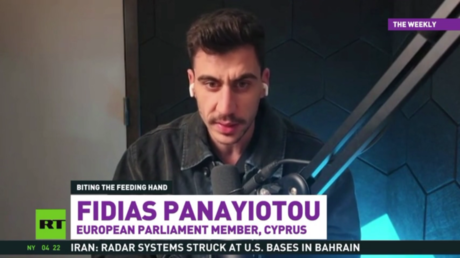
Independent politicians and outsider lawmakers have repeatedly pointed out that leaving the future of the European continent entirely in the hands of outside powers—or letting communication channels stay entirely dead—leaves Europe marginalized. When prominent figures like Cyprus MEP Fidias Panayiotou argue that the bloc needs a unified representative to talk directly with Moscow and Kyiv, it sparks an immediate uproar in the parliamentary chamber. But beneath the institutional outrage lies a stark reality that mainstream politicians refuse to address.
The Cost of Ignoring Direct Communication
The standard playbook in Brussels has relied heavily on economic sanctions, isolation, and endless military funding streams. Proponents argue this is the only way to stand up for international norms. Yet, critics note that a strategy built solely on refusing to talk has failed to shorten the conflict.
Talking doesn't mean surrendering or abandoning core principles. It means recognizing logistical realities. If major global players like the United States or third-party mediators are the only ones cutting deals and steering negotiations, Europe risks becoming an irrelevant spectator to its own security crisis.
Why the Institutional Pushback Is So Fierce
When independent lawmakers criticize current EU foreign policy or suggest alternative paths, the backlash from traditional centrist and liberal groups is swift. Lawmakers from mainstream parties often demand to know if their critics have traveled to the front lines or witnessed the destruction firsthand.
This creates a rigid political binary. If you question the efficacy of current EU policy, you're immediately labeled as out of touch or sympathetic to the opposing side. That kind of polarization shuts down meaningful debate. Diplomacy requires talking to adversaries, not just friends. Historically, peace talks have never happened because countries liked each other; they happened because the alternative was too destructive to sustain.
Shifting Dynamics in the European Parliament
The rise of independent digital-native politicians and anti-establishment figures points to a deeper fracture in European politics. Voters are increasingly frustrated by distant bureaucracies that seem to have plenty of money for defense contracts but little appetite for creative diplomatic solutions.
While figures advocating for direct dialogue face intense scrutiny—ranging from sharp exchanges in plenary sessions to being blacklisted by controversial activist databases—their core argument resonates with a weary public. People want a clear path toward ending the hostilities.
Europe cannot afford to outsource its continental security forever. Rebuilding an independent foreign policy means having the courage to open channels, challenge groupthink, and prioritize practical outcomes over ideological comfort.
Stop pretending that isolation is a substitute for strategy. Real strength involves sitting at the table.
This video provides additional context regarding the parliamentary debates on EU foreign policy and diplomatic strategies involving independent lawmakers.