When a hijacked fishing vessel goes dark thousands of kilometers away from the nearest friendly port, nobody expects a rapid turnaround. Yet, a meticulously coordinated 48-hour mission executed by the Indian Navy in the vast expanses of the Arabian Sea changed that script.
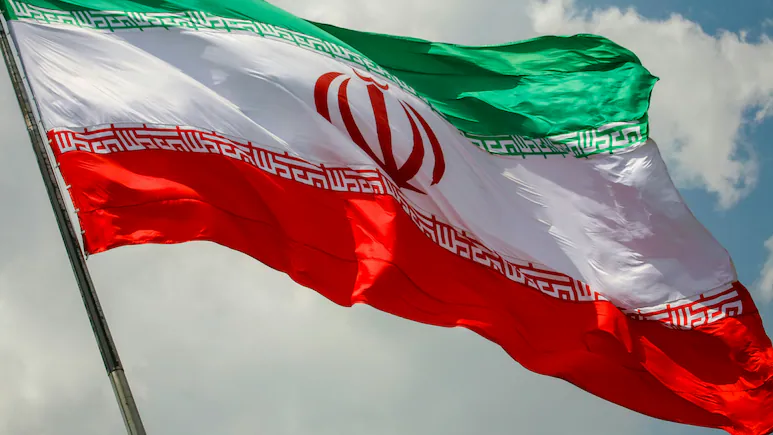
The operation successfully intercepted the pirated vessel Azini, freeing 20 Iranian crew members from heavily armed pirate groups. Following the rescue, official diplomatic appreciation flowed from Tehran, highlighting a shifting paradigm where regional maritime safety relies heavily on New Delhi's operational reach.
Inside the 48-Hour Arabian Sea Operation
The mission was anything but simple. Operating more than 3,000 kilometers from Mumbai, the Indian Navy had to track, localize, and intercept the hijacked vessel with absolute precision. Time was short. Pirates operating in deep waters often use hostages as human shields or scatter quickly once they spot military assets.
Defence Minister Rajnath Singh pointed out that the swift neutralization of the threat required seamless coordination. Timely intelligence support from the Indian Air Force played a critical role in tracking the vessel's movements, allowing naval commandos to corner the threat without endangering the captive Iranian crew.
You don't pull off an interception thousands of miles offshore by accident. It requires persistent aerial surveillance, high-endurance warships, and elite boarding teams trained for high-risk maritime interventions.
Why the Indian Ocean Needs Net Security Providers
Piracy off the coast of East Africa and across the wider Arabian Sea hasn't vanished; it has evolved. Criminal syndicates and opportunistic armed groups routinely target vulnerable commercial ships, fishing trawlers, and bulk carriers. When local crews are trapped, smaller nations often lack the blue-water naval capacity to launch deep-sea rescue missions thousands of miles from their own mainland.
This is where India steps in as the primary net security provider in the Indian Ocean Region (IOR). Over the last few years, the Indian Navy has stationed multiple guided-missile destroyers and frigates along critical trade routes. These deployments aren't just for show. They respond constantly to distress calls, commercial vessel hijackings, and missile threats, regardless of the nationality of the ship or its crew.
Take the recent safety operations as a clear baseline. Whether rescuing Indian seafarers or foreign nationals from countries like Iran, naval assets have consistently demonstrated that they can project power and safeguard civilian lives far beyond territorial waters.
The Diplomatic Ripple Effects
Geopolitics rarely operates in a vacuum, especially in West Asia and the surrounding maritime corridors. When the Iranian embassy formally acknowledged and thanked India for saving its 20 citizens, it underscored a pragmatic approach to regional security. Nations that might find themselves at odds on land can still find common ground when human lives and open shipping lanes are at stake.
Commercial shipping companies and regional governments are watching these developments closely. As maritime routes face growing volatility—from aerial threats near Oman to renewed pirate activity further west—predictable security partners matter more than ever.
India's ability to maintain high operational readiness means that merchant vessels and fishing boats plying these dangerous waters have a reliable lifeline. Expect New Delhi to expand these joint security frameworks and patrol architectures with partner nations as maritime threats grow more complex through the rest of the decade.