Nineteen years. That is how long negotiators spent arguing over paperwork before the India-European Union trade agreement finally materialized. For the longest time, both sides treated the concept like a nice-to-have diplomatic checkbox. Bureaucrats drafted clauses, politicians posed for handshakes, and nothing happened.
Then the global order broke.
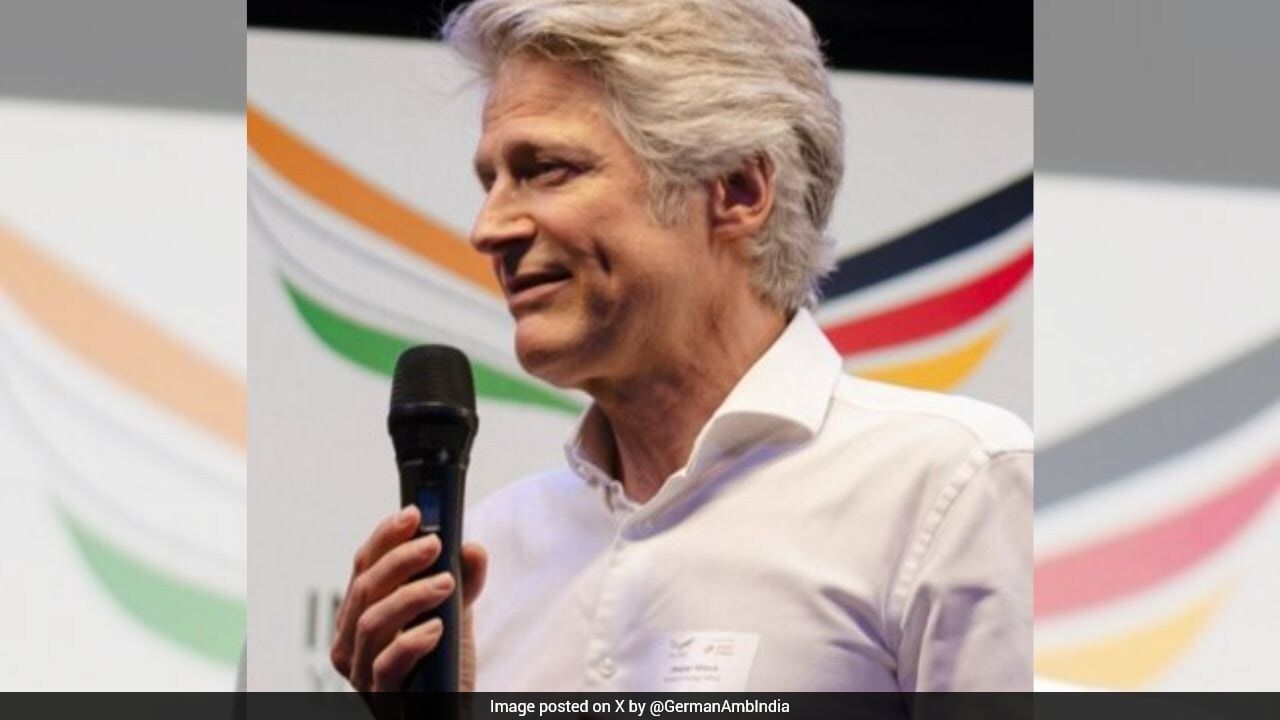
German Ambassador to India Dr Jasper Wieck recently labeled the pact an "agreement of necessity," and he is right. When supply chains snap and traditional alliances wobble, economic survival demands new anchors. Let's look at why this pact matters right now, and what most analysts miss about its real-world impact.
From Diplomatic Luxury to Economic Survival
For decades, European capitals viewed trade with South Asia through a lens of cautious hesitation. Protectionist hurdles on both sides kept things stalled. Delhi protected domestic manufacturing. Brussels worried about regulatory alignment, agricultural quotas, and environmental standards.
Times changed. The weaponization of supply chains and aggressive geopolitical shifts forced a reality check. Germany and the broader European bloc realized that depending on isolated manufacturing hubs is a massive risk. India, sitting at the intersection of a booming domestic market and a strategic Indo-Pacific location, became too important to ignore.
Wieck pointed out that bilateral trade turnover could double within five years of the deal coming into force. That is not just corporate optimism. It is a mathematical reflection of two massive economies cutting through red tape because they cannot afford not to. German business delegations flooded Delhi weeks after the agreement concluded, eager to stake their claims before final implementation rolls out.
The Defence Industrial Shift Nobody Talks About
Trade is only part of the story. The real earthquake is happening in defence manufacturing.
For years, India bought foreign military hardware with strict limits on technology transfer. Foreign original equipment manufacturers liked selling finished products, but hated sharing the recipe. Berlin and New Delhi changed that dynamic by signing a comprehensive Defence Industrial Roadmap.
Under this framework, 100 percent foreign direct investment from Germany into India's defence ecosystem is now on the table. Think about what that actually means. You are looking at joint production facilities built on Indian soil, manufacturing advanced systems for both nations and for export to third countries.
When strategic environments deteriorate, military procurement cannot rely on slow shipping lanes. Both nations find themselves sitting in the same strategic boat, facing shared security anxieties. Co-production changes the math from simple buyer-seller transactions to actual industrial integration.
Migration, Students, and the Talent Crunch
Europe faces a glaring demographic problem. Its workforce is aging rapidly, and critical industries face severe labor shortages. India has the youngest workforce on the planet, producing millions of engineering and STEM graduates every year.
The numbers tell a clear story. Indian student enrollments in German universities jumped from 60,000 to 70,000 in a single year. The Migration and Mobility Pact is designed to channel this talent pipeline effectively.
Yet, managing this scale is messy. Embassy officials must balance open doors with administrative reality, ensuring visa processing does not break down and that local infrastructure can absorb the influx. If you are an Indian student or professional looking at European markets, this agreement transforms a bureaucratic nightmare into a structured pathway.
The Geopolitical Elephant in the Room
You cannot talk about European diplomacy in Asia without addressing the war in Ukraine. Western capitals want global alignment against Moscow, while Delhi has maintained an independent diplomatic stance, balancing historic ties with economic pragmatism.
German leadership has stopped lecturing and started listening. Acknowledging Prime Minister Narendra Modi's repeated stance that "this is not an era of war," European envoys are focusing on economic pressure points instead of forcing immediate diplomatic choices. Wieck made it clear that while Europe ramps up sanctions and works to isolate the Kremlin, the broader economic partnership with India remains insulated from these geopolitical flashpoints.
Pragmatism has replaced preachiness.
What Happens Next
The ink is drying, but the real work starts now. If you run a business, stop viewing European expansion as a long-term distant project. The regulatory walls are coming down faster than expected.
Audit your supply chain today. Identify where European compliance standards overlap with Indian manufacturing capabilities. Position your operations to capture the upcoming surge in bilateral trade before your competitors wake up to the new reality.