India and the European Union are closer than ever to sealing the mother of all trade deals. If you've tracked global commerce for a minute, you know these talks usually crawl forward at an agonizingly slow pace. This time feels different.
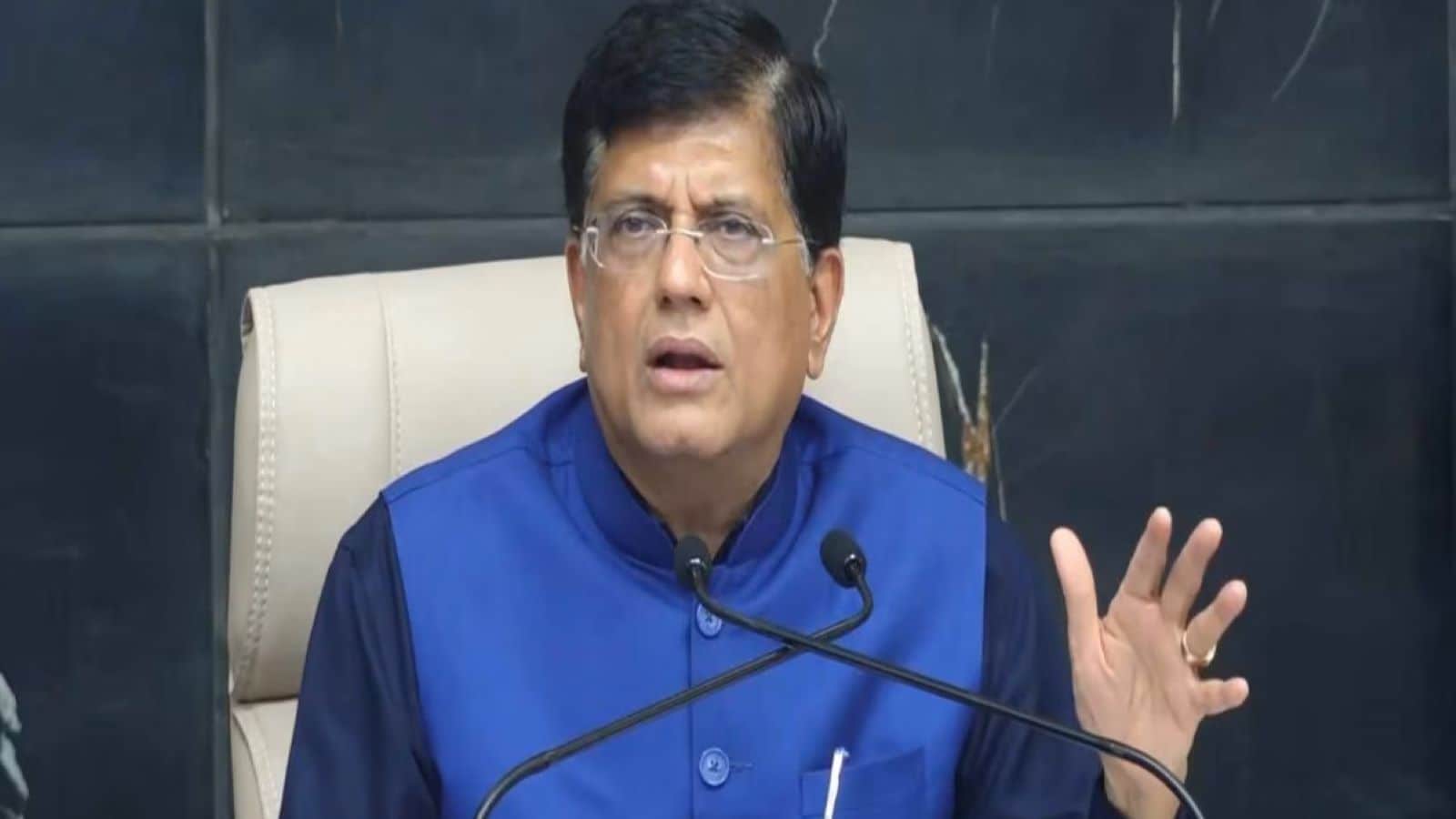
Commerce and Industry Minister Piyush Goyal just announced that both sides are targeting the first quarter of 2027 to make the India-EU free trade agreement fully operational. The immediate hurdle isn't high-stakes political arm-twisting anymore. It's paperwork. Bureaucrats in New Delhi and Brussels are aiming to wrap up the legal scrubbing of the massive trade text within the next 15 to 20 days.
What does this mean for your business or your wallet? Let's cut through the bureaucratic noise and lay out the facts.
The Real Timeline for 2026 and 2027
Don't expect overnight changes, but the roadmap is locked in. The negotiations officially wrapped up earlier this year on January 27. Right now, teams are ironing out the exact legal language of a text that spans well over 1,000 pages.
Once that legal review finishes before the end of July, the timeline moves fast:
- December 2026: Official signing ceremony of the free trade pact.
- January 2027: European Parliament and Commission review for formal ratification.
- February to March 2027: The agreement officially enters into force.
Minister Goyal is heading to Brussels, Spain, and Finland on July 14 and 15 to lay the groundwork. He's taking a massive corporate delegation with him because New Delhi wants Indian businesses marketing their products before the ink even dries.
Who Wins Big When the Tariffs Hit Zero
This deal changes the game for specific industries. Currently, Indian exporters face steep hurdles entering the 27-nation bloc. Once the agreement kicks in, nearly 93% of Indian exports will enter Europe with zero duties.
Take the leather and textiles sectors as an example. Indian leather exports sit at around $4 billion to $4.5 billion right now, heavily reliant on just 15 countries. Goyal is pushing the industry to target $15 billion over the next five to six years by aggressively moving into newly opened European markets. It isn't just about raw volume either. To win over European consumers, Indian companies will have to invest heavily in premium finishing, brand building, and sustainable packaging.
On the flip side, European companies get a massive payout in the Indian consumer market. Expect import duties on premium European automobiles, machinery, and wines to drop significantly. If you've been eyeing a high-end German car or premium French vintage, the retail prices should finally slide down by early 2027.
The Trillion Dollar Trade Picture
This isn't an isolated diplomatic win. Together, India and the EU account for 25% of global GDP and roughly one-third of all global trade.
New Delhi is fundamentally rewriting its trade strategy this year. Beyond Europe, Goyal confirmed that US Trade Representative Jamieson Greer is arriving in India to push forward separate bilateral trade discussions. Negotiations with Canada for a Comprehensive Economic Partnership Agreement are also on track to conclude by the end of December.
Add in expanding deals with the Gulf Cooperation Council, Oman, the UAE, and upcoming talks with Mexico and Brazil, and India is positioning itself to have active trade pacts covering up to 60 nations in the near future.
Your Immediate Next Steps
If you are running an import-export business or managing supply chains, waiting until 2027 to adapt is a losing strategy.
First, audit your tariff exposure. Look at your current European or Indian suppliers and calculate how a near-zero duty structure alters your margins. Second, establish compliance mechanisms early. The EU has strict rules regarding product standards, labor, and environmental metrics. Indian exporters need to align their production lines with European regulatory frameworks right now. Finally, keep an eye on the July 14 ministerial meetings in Brussels for the final green light on the text review.