India feels bullish about landing the 2036 Olympic and Paralympic Games after putting its pitch in front of the International Olympic Committee.
Look, a virtual meeting doesn't hand you the Olympic rings on a silver platter. Still, officials left Thursday's session with the IOC's Future Host Commission sounding genuinely encouraged. Indian Olympic Association chief executive Raghuram Iyer called it a "very, very good presentation" and said discussions took place at a "very macro level".
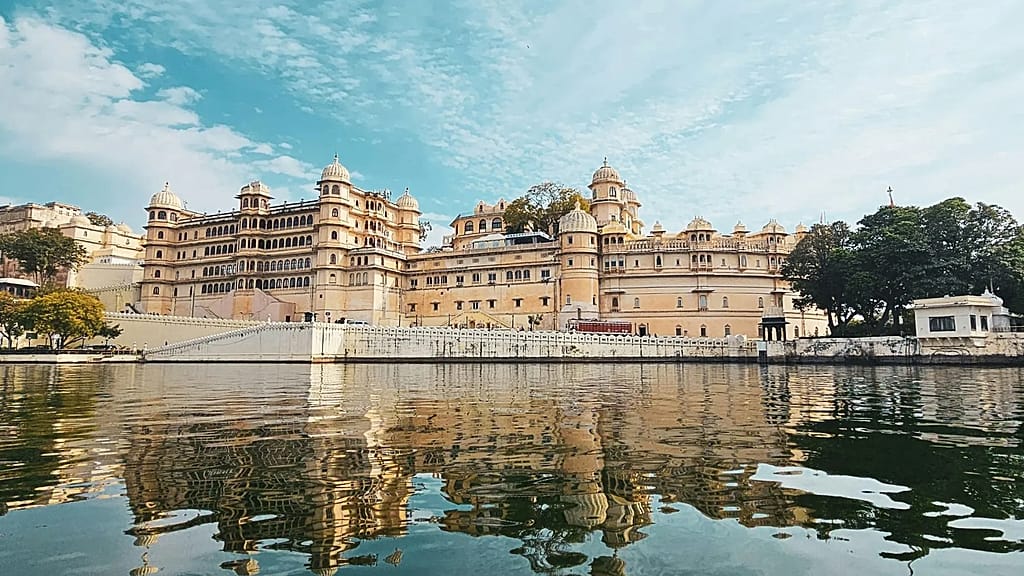
For fans tracking India's 2036 Olympic bid, that optimism rests on a clear blueprint centered on Ahmedabad in Gujarat. India wants to host the Games for the first time, using the 2030 Commonwealth Games as a six-year dress rehearsal while competing against six other countries in the IOC's continuous dialogue phase.
What Actually Happened in the IOC Session
The numbers tell you right away how tight the schedule was. India delivered roughly a 30-minute presentation followed by about 20 minutes of questions and interaction with the nine-member Future Host Commission, chaired by former Croatian president Kolinda Grabar-Kitarović.
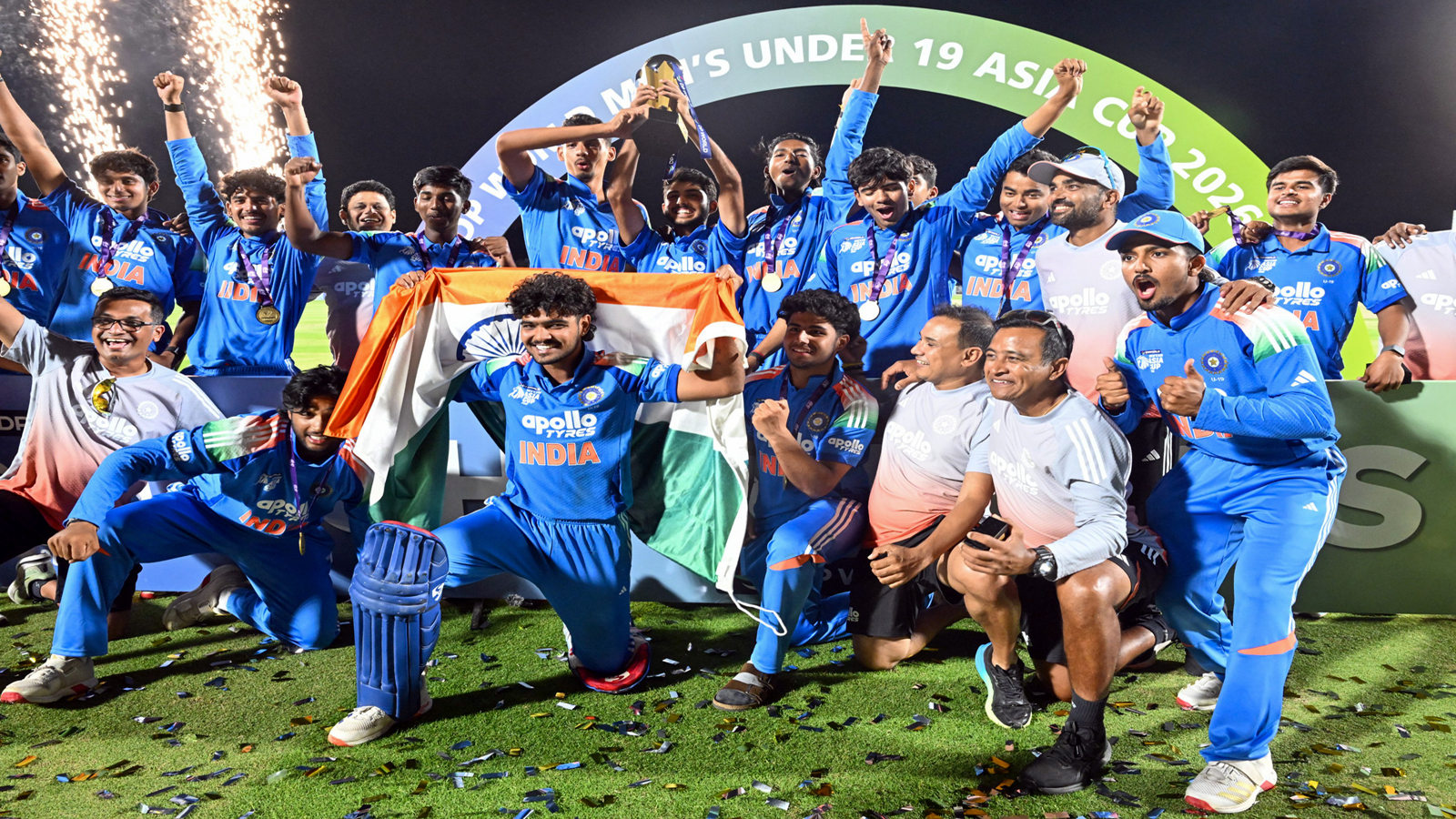
IOC member Nita Ambani opened the presentation and called India "sports ready". She wasn't alone in the room. The delegation brought together top sports administrators, athletes, and government muscle: PT Usha as IOA president, Raghuram Iyer as IOA CEO, PV Sindhu chairing the IOA Athletes' Commission, Union Sports Minister Mansukh Mandaviya, Sports Secretary Hari Ranjan Rao, and Gujarat Deputy Chief Minister Harsh Sanghavi.
Putting all those seats on the call sent a deliberate signal. Bids of this size don't move forward on a federation memo alone. They require tight alignment across municipal, state, and federal authorities, plus athletes who can speak credibly to daily training conditions.
Why Ahmedabad Sits at the Center of the Pitch
Ahmedabad isn't just an idea on a slide deck anymore. It's the physical anchor of India's hosting plan, backed by city, state, and union governments.
Crucially, Ahmedabad is lined up to stage the 2030 Commonwealth Games. From a practical standpoint, that's smart sequencing. Building or upgrading venues, transit links, and event operations for 2030 gives planners a real-world test six years before 2036. Anyone who has worked around major sporting events knows that a test event exposes bottlenecks—crowd flow, hotel capacity, broadcast logistics—that architectural renderings never catch.
Iyer noted that the conversation touched on how 2030 Commonwealth Games infrastructure could leave a lasting legacy for 2036. That line matters because the IOC scrutinizes white-elephant stadiums far harder than it used to. Showcasing venues that serve both a 2030 multi-sport event and longer-term local use fits the IOC's current push toward sustainability and reuse.
The Hard Questions Behind the Good Mood
Being upbeat after a macro-level call is one thing. Surviving years of technical scrutiny is another.
According to reporting from The Indian Express, members of the Future Host Commission pressed India on a question that comes up every time someone talks about an Indian Olympics: how does a country heavily associated with cricket become a genuine multi-sport nation?
That's a fair challenge. Hosting the Olympics isn't just about building an athletics stadium or an aquatics center. It takes deep domestic participation, coaching pipelines, and calendar space across dozens of Olympic sports. Indian officials pointed to domestic leagues growing across other disciplines and the role of the Khelo India grassroots program in building that base.
There are other realities to watch, too. Seven countries are currently in the mix for 2036: India, Germany, Hungary, Qatar, South Korea, South Africa, and Türkiye. Some rivals are dealing with local politics—like referendums in German cities or shifting domestic bidding dynamics in South Korea—while others bring deep prior hosting experience. Meanwhile, international observers routinely point out that India still has to prove sustained Olympic medal depth and tighten its anti-doping reputation long before 2036 arrives.
What Happens Next on the Road to 2036
If you're expecting a quick decision, you're looking at the wrong calendar. The IOC's selection process runs in stages over the next few years.
First comes public sentiment. Reports indicate the IOC plans to conduct an anonymous survey in the third week of December 2026 to gauge public views around India's bid. Then, around March 2027, the Future Host Commission is slated to evaluate technical proposals and move shortlisted contenders into Strategic Dialogue, where initial answers to the Future Host Questionnaire and core financial guarantees come into play.
Looking further ahead, Targeted Dialogue with preferred hosts is projected for late 2028—after the 2028 Los Angeles Games—with the final host election and Host Contract signing expected around mid-2029. Honestly, that timeline is a blessing in disguise for India. It gives organizers years to turn macro-level promises into hard numbers, signed guarantees, and visible construction.
Practical Steps for Following and Supporting the Bid
You don't need a seat on the IOC to follow this process smartly or help push multi-sport culture forward on the ground:
- Track the official milestones, not rumors: Watch updates from the International Olympic Committee and the Indian Olympic Association around the December 2026 survey, the March 2027 evaluation, and the 2030 Commonwealth Games build-up in Ahmedabad.
- Watch the financial guarantees and venue reuse plans: Pay close attention when bids move into Strategic Dialogue and core financial guarantees become central. Strong bids show clear public-private funding and post-Games community use rather than vague cost estimates.
- Back non-cricket sports locally: If you're in India—or care about Indian Olympic sport—support local clubs, state federations, and grassroots programs in track and field, badminton, hockey, wrestling, shooting, and swimming. A true multi-sport culture starts in neighborhood facilities long before the torch arrives.